The village that voted a thousand years ago
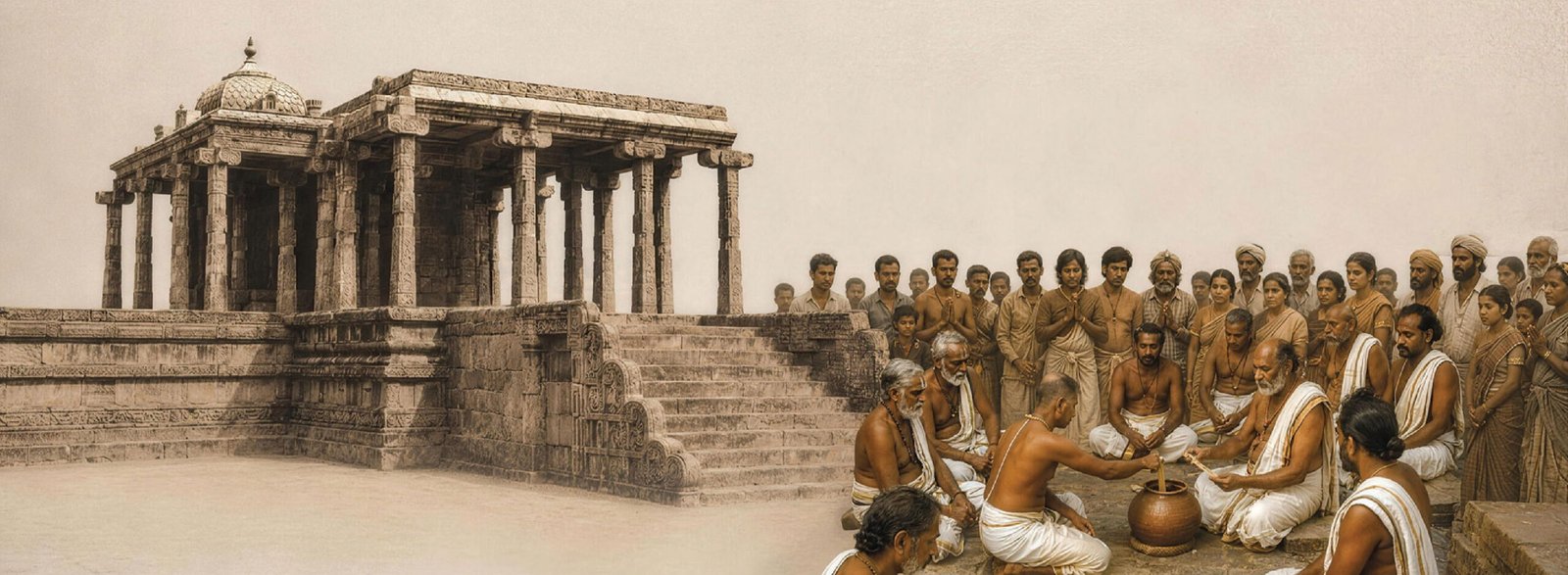
Long before modern ballots or parliaments, one Tamil Nadu village carved its rules of governance into stone.
In the quiet town of Uthiramerur, about 85 kilometres from Chennai, the walls of the Vaikuntha Perumal Temple carry something unexpected for a religious structure:
Rules for governing a village.
An inscription from 919 CE, during the reign of Chola king Parantaka I, describes in remarkable detail how the village assembly of Uthiramerur Chaturvedimangalam selected members to manage local affairs.
The method was called Kuda-Olai — literally, “pot and palm leaf”.
Names of eligible candidates were written on palm-leaf slips and placed inside a pot. At the assembly, a young boy who could neither identify the names nor understand the selection process was asked to draw the slips one by one. Each chosen name was then read aloud and verified publicly.
The selected members served on committees responsible for matters such as irrigation tanks, gardens and annual administration. Thirty members could be chosen for one-year terms, with fresh committees formed after their tenure ended.
What makes the inscription even more fascinating is its list of qualifications.
A candidate had to be above 35 and below 70, own tax-paying land, live in a house built on his own site, possess prescribed learning and have honest earnings. Those who had recently served on committees could also be excluded for a period.
The disqualifications were equally serious. Failure to submit accounts from previous public service could prevent someone from returning to office.
A thousand years ago, accountability was literally being carved into stone.
But Uthiramerur should not be romanticised as modern democracy transported into the Chola age. The Sabha documented here belonged to a Brahmadeya settlement, and participation reflected the social structure and restrictions of its time.
That context matters.
What remains remarkable is something simpler: a village more than a millennium ago had developed detailed written rules about eligibility, tenure, public selection, financial accountability and local administration. Tamil Nadu’s Rural Development Department still cites Uthiramerur as evidence of the state’s long history of organised village self-government.
The inscription does not need to be called the world’s first election to be extraordinary.
It is enough to stand before that stone and realise that, over a thousand years ago, people here were already asking a question we still struggle with today:
Who should be trusted with power — and how should we hold them accountable?

India’s First In-Train Magazine 001
India’s first in-train magazine offers travelers engaging content like travel tips, destination highlights, and entertainment, making the journey more enjoyable and informative.

Follow Us
Popular Categories