THE LAST PRINCE OF A LOST EMPIRE
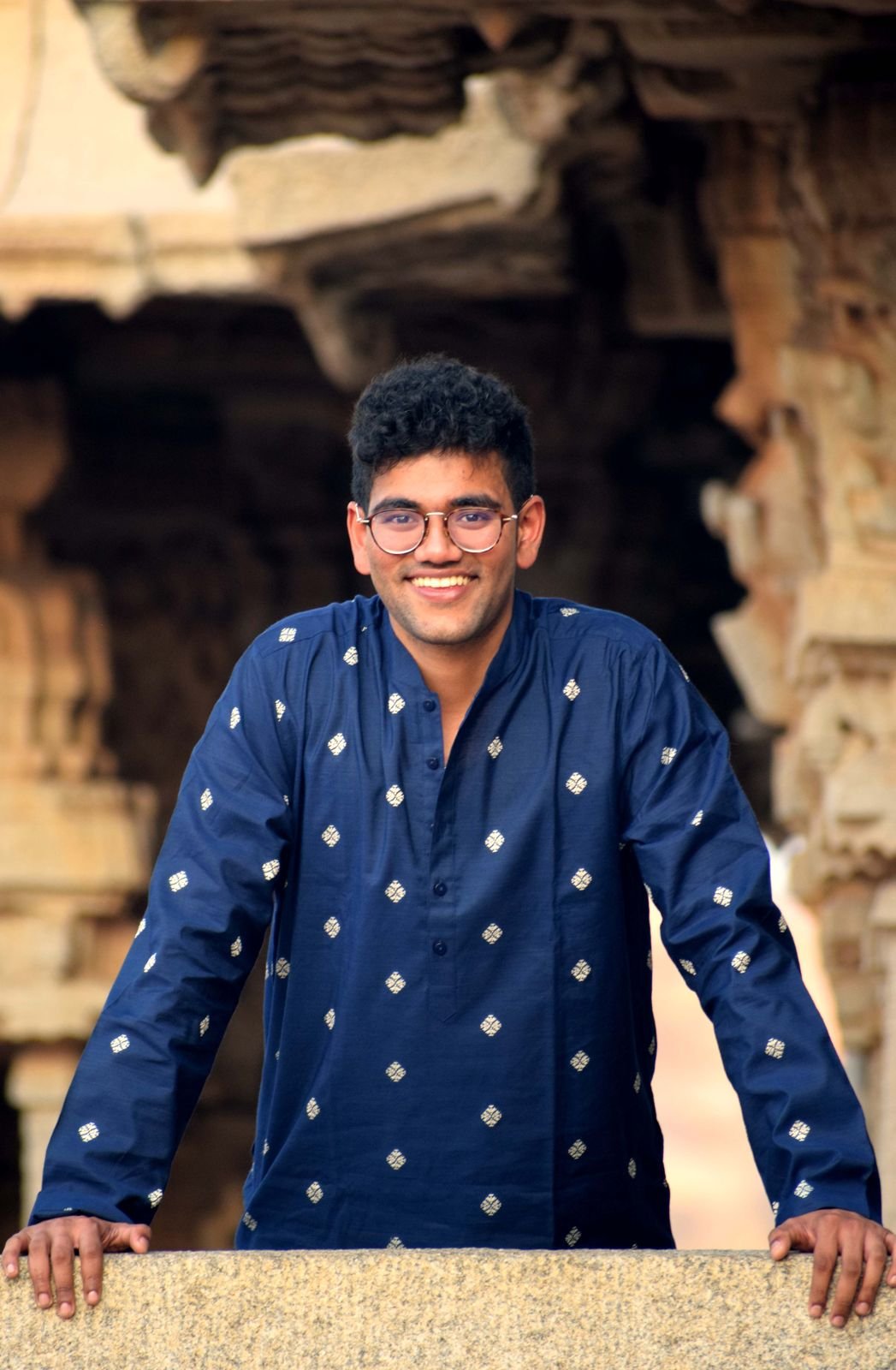
Historian, author, traveller, and heir to a five-century-old legacy, Tirumala Devaraya is looking beyond the past
: HERITAGE & HISTORY | NATIVE
Every tourist who visits Hampi stands on the same side of the Tungabhadra. The temples, the bazaar, the boulders in every postcard—all of it sits on the southern bank. Cross the river, and the crowds vanish. Stone Age paintings sit on hillsides. A village called Anegundi, older than Hampi itself and once its capital, goes largely unvisited.
One twenty-five-year-old has spent much of his life trying to get people to look north.
Tirumala Venkata Devaraya is the 20th-generation descendant of Emperor Krishnadevaraya, the most celebrated ruler of the Vijayanagara Empire. Yet his story stretches far beyond lineage. He has lived across the US, the UK, Hospet, Bangalore, and Anegundi, the town his family once left and later returned to.
“Growing up amongst a place like that was quite a unique experience,” he says. “Living the historical traditions that have continued there was another aspect of it.”
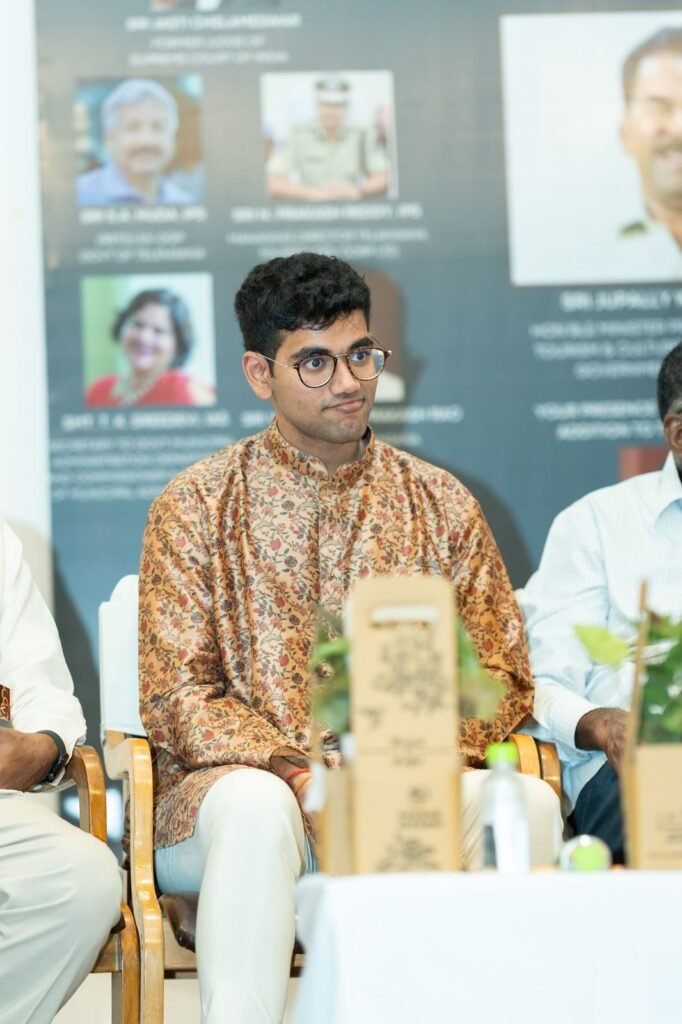
His family had left their ancestral home in Anegundi in the 1940s. They returned when he was eight, in part to ensure that traditions carried through generations would not fade with his grandfather. Before that, some of Tirumala’s formative years, from the age of two to around eight, had been spent in the US. He had heard the stories of emperors and kingdoms early on, but it was only after returning to India that history became something tangible.
As a child, he was drawn first to dinosaurs, then gradually to the medieval and ancient worlds that surrounded him. Almost every weekend, he would go around Hampi’s sites, looking at the landscape not as a historian yet, but as a child whose imagination was being shaped by ruined temples, ancient pathways, and rituals that were still alive.
THE EMPIRE AFTER THE FALL
It was in the UK, studying history with an outsider’s lens, that he encountered a major misconception: that Vijayanagara collapsed after the Battle of Talikota. In reality, it survived for almost another hundred years, with vassal states still recording allegiance to its king well into the eighteenth century.
The move to England, after Hospet and an international school in Bangalore, became another important shift in perspective. Tirumala had expected English life to feel somewhat familiar after his early years in America, but found its culture distinctly different. At Durham University, that distance also gave him a clearer way of looking at Indian history. “When it comes to medieval history, you get a more objective lens because there was no British involvement in India during the time of Vijayanagara,” he says.
He began encountering material that rarely appears in mainstream textbooks. “There was also a lot of material I encountered that isn’t really discussed in Indian history textbooks unless you do a deep dive into the subject,” he notes. For Tirumala, the idea of Vijayanagara as an empire that simply vanished after Talikota is among the most persistent and limiting versions of its history.
Even Krishnadevaraya’s grandson, Venkatapati Raya, who revived the empire’s military and culture for nearly a hundred years, is barely remembered. His statue in Tirupati, beside his grandfather’s, gets his title wrong.
“After his death, because he had no son, a civil war broke out within the family,” Tirumala says. “It wasn’t simply Talikota that brought about the end.”
Venkatapati Raya, also known as Venkata II, ruled first from Penukonda and later from Chandragiri, while Vellore Fort became one of the last capitals of the Vijayanagara Empire. His reign saw a revival in military strength, administration, and culture, with records that include correspondence between the ruler and the King of Spain through Portuguese missionaries.
For Tirumala, such details are not simply archival curiosities. They reveal a far more complex imperial story, one that includes internal conflict, forgotten events such as the Battle of Toppur, and a cosmopolitan city shaped by multiple cultural influences. “There is simply so much history that has disappeared from public memory,” he reflects.
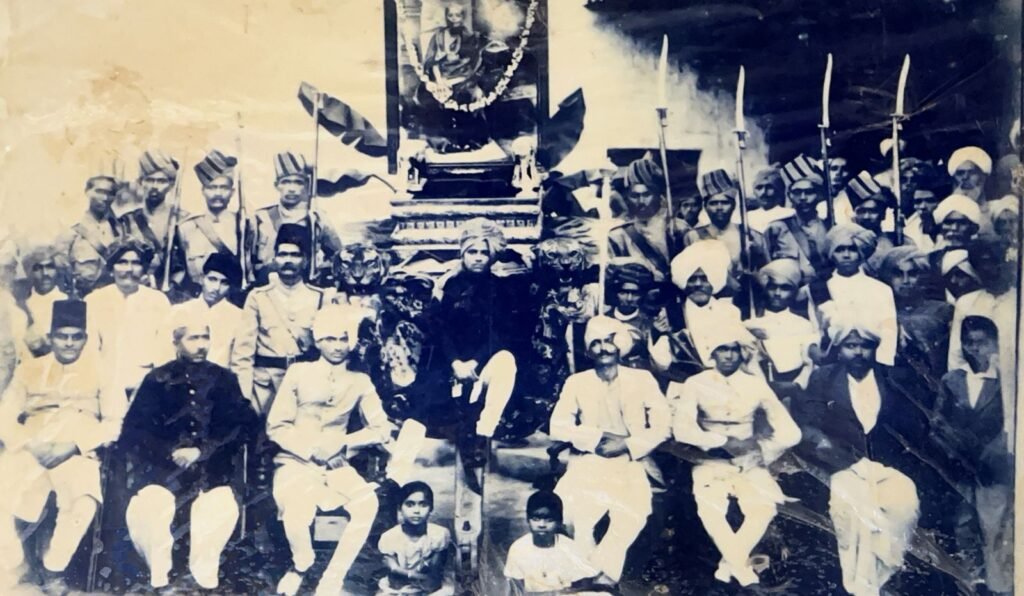
Even Krishnadevaraya’s own legacy survives in places people walk past daily. Mysore Dasara, one of Karnataka’s most celebrated festivals, began as a Vijayanagara tradition.
INDIA’S ANGKOR WAT
Every Monday he is in town, Tirumala and his father walk the same route through Hampi: the Virupaksha Temple, the Bharati Linga, and Yantrodharaka Hanuman across the bazaar.
The ritual has continued unchanged through the years. “It’s a sort of little pilgrimage around all the active temples in Hampi,” he says. Even after graduating from Durham and spending nearly two years based in Anegundi, he and his father continued to make the journey whenever they were there.
As he grew older, the places he had once known instinctively began to acquire deeper meaning. It was around the age of seventeen that he started studying his own history more seriously. “As a child, you see everything happening around you, but you don’t always understand its significance,” he reflects. “As I’ve gotten older, I’ve come to understand much more about all of it in its entirety.”
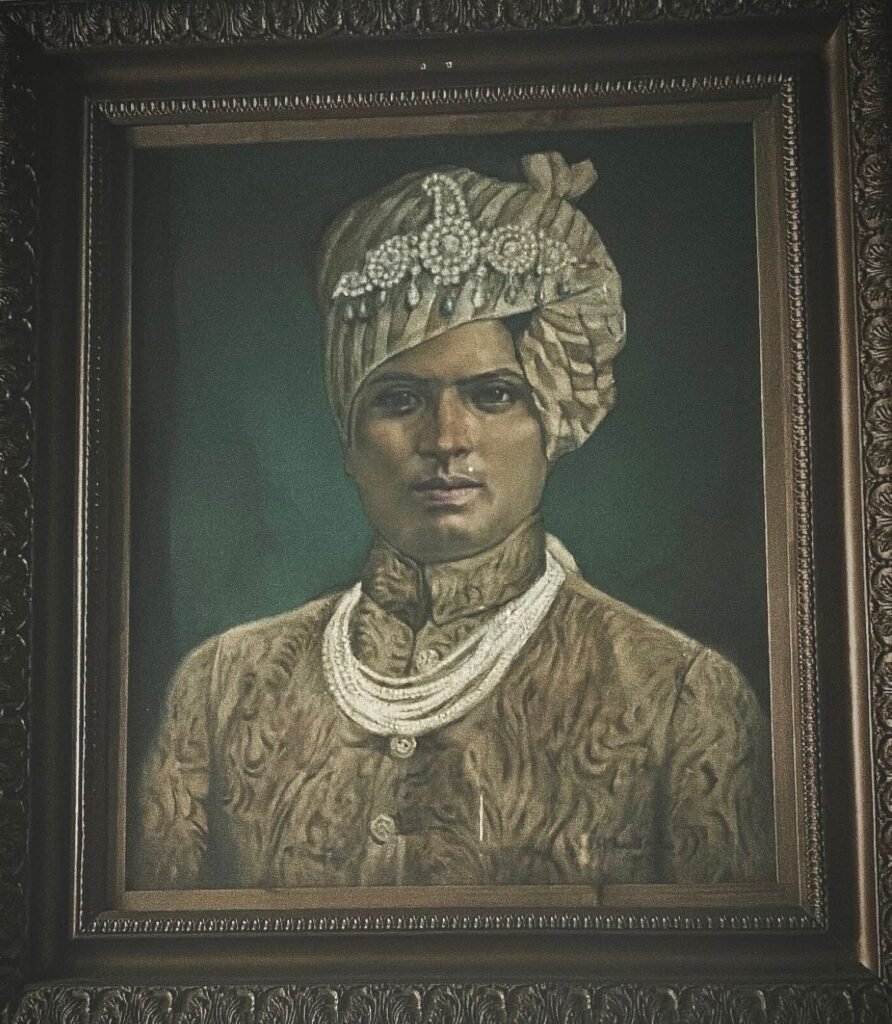
This familiarity with Hampi’s lesser-known side shapes his ambition for the region. While most visitors stop at the Vittala Temple, Tirumala points north to Anegundi and Chintamani, where Stone Age paintings and the remains of the original capital sit largely undisturbed.
“I genuinely think it has the potential to be one of the world’s great heritage destinations, India’s answer to Angkor Wat,” he says.
For him, the future of the site is not about reconstructing an imagined version of its past. It is about allowing the landscape, its communities, and its heritage to realise their potential together. He sees opportunity not only in Hampi itself, but in Anegundi, Gangavati, and the surrounding towns and villages that could grow alongside a more thoughtfully developed heritage economy.
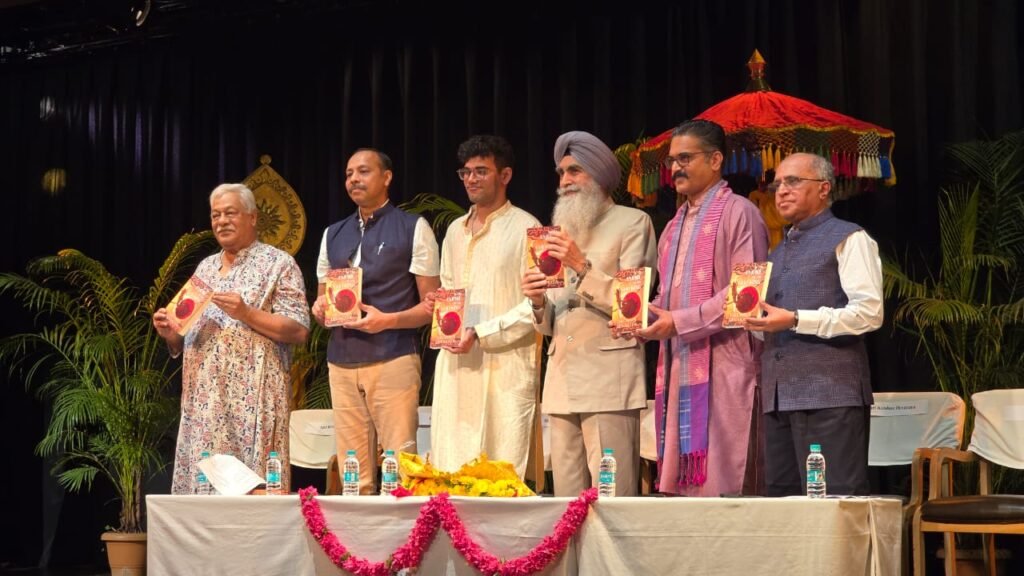
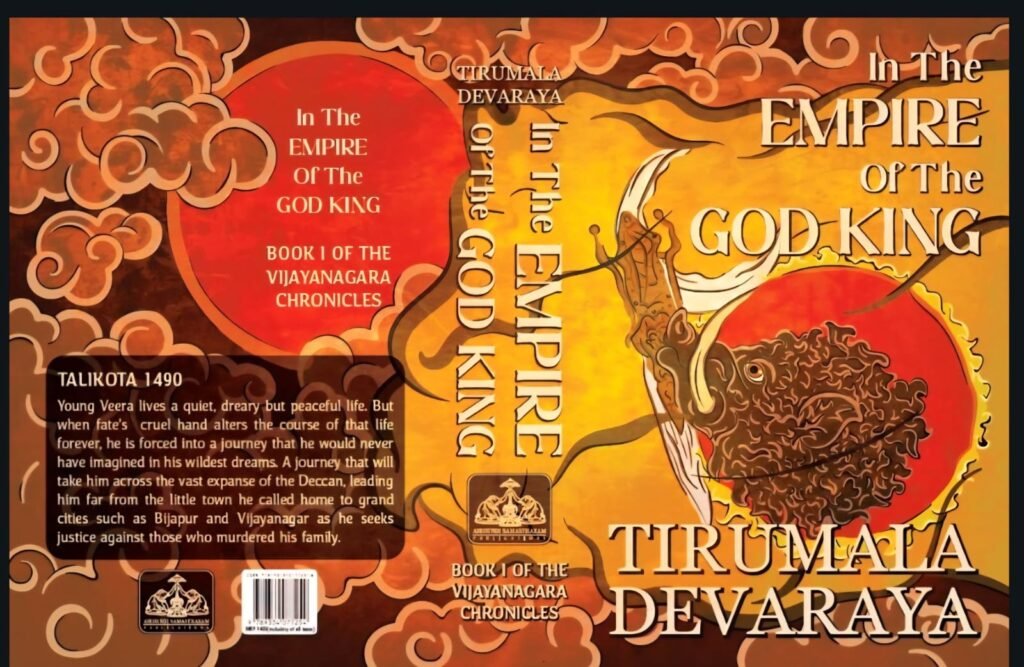
It is also where his writing is headed. His first novel, In the Empire of the God King, explores the world before Talikota, but the period that interests him most is the one after, which he calls “a huge missing page in the history books.”
The novel’s central character, Veera, is not a direct reflection of Tirumala’s own family story. Instead, he sees the fictional journey as a way into the historical world. “I’ve used his story more as a mechanism to explore the history,” he explains. His longer-term aim is to write a historical work on the Vijayanagara Empire after Talikota before approaching that largely unknown era through fiction.
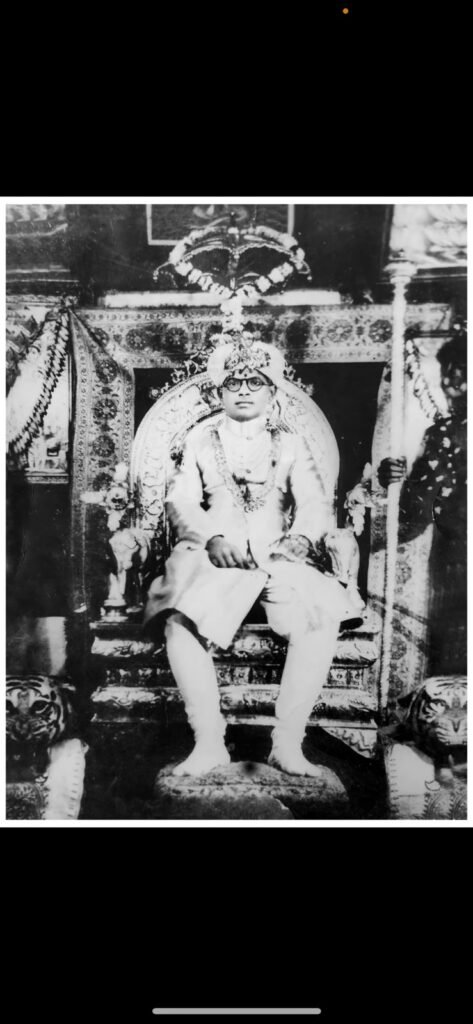
His engagement with the past has also taken him beyond his own family’s history. He worked on a UNESCO excavation at Tilaurakot in Lumbini, Nepal, a Buddhist site far removed from the landscapes of Hampi, but closely connected to his wider interest in how civilisations are remembered, interpreted, and preserved.
THE WORLD BEYOND ANEGUNDI
Away from Anegundi, the UK has come closest to feeling like a second home. Durham and London now remain connected through friendships and familiar social circles, while the US still holds family and early memories, even if he visits less often.
His interests continue to move between the historical and the contemporary. He regularly listens to The Rest Is History, Empire, and other history-focused podcasts, drawn to the broader global perspective they offer. He is also a keen football follower and supports Manchester United, while keeping an eye on cricket and RCB as someone from Karnataka.
Travel, naturally, remains part of the larger picture. He wants to undertake a historical journey through India, especially South India, where he feels there is still much left to see. Beyond the country, Egypt, Jordan, Georgia, and the wider region are high on his list because of their historical depth. There are more adventurous ambitions too: climbing Mount Kilimanjaro and travelling to Antarctica.
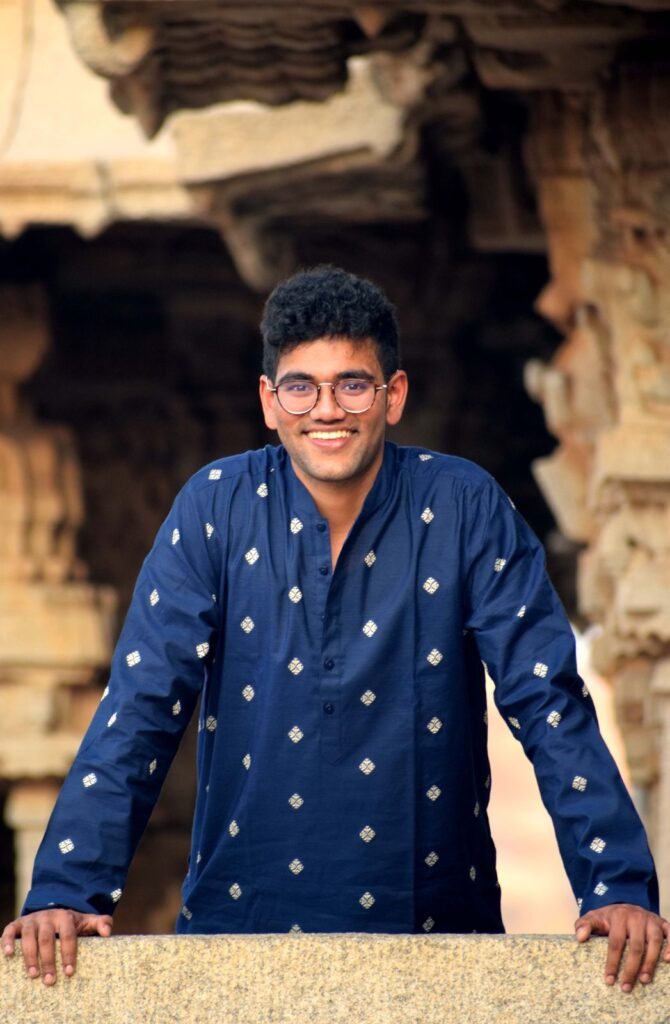
Even the next stage of his writing is tied to movement and discovery. As he finishes his master’s degree, he hopes to return to the remaining two books in his trilogy, carrying forward a story that begins with Vijayanagara but is not limited by the familiar version of it.
A FUTURE FOR THE PAST
Asked what he wants to be remembered for, beyond the name or the title, he doesn’t reach for the empire at all.
“I’d like to make a difference to the area around me,” he says. “One of my biggest passion projects is helping Hampi realise its potential. A large part of that comes from wanting to make a difference to the people and communities around it.”
In everyday life, the title rarely enters the conversation. It may surface in academic spaces, especially when someone notices his surname in the context of Vijayanagara history, but Tirumala does not tend to lead with it. “Unless someone specifically asks about it, I don’t really get into it very much,” he says.
There have been occasional unexpected moments, including being recognised twice in London, but those experiences have only reinforced the gap between public curiosity and personal identity. The legacy may shape his work, but it does not entirely define how he sees himself.
[INSERT IMAGE HERE]
What matters most is the possibility of turning historical inheritance into something useful for the present. “There is so much that can be done,” he says. “So I think, in essence, if there is one thing I would want to be remembered for, it would be making a positive difference to the world.”
India’s First In-Train Magazine 001
India’s first in-train magazine offers travelers engaging content like travel tips, destination highlights, and entertainment, making the journey more enjoyable and informative.

Follow Us
Popular Categories