THE TRAILBLAZER’S GAMBIT
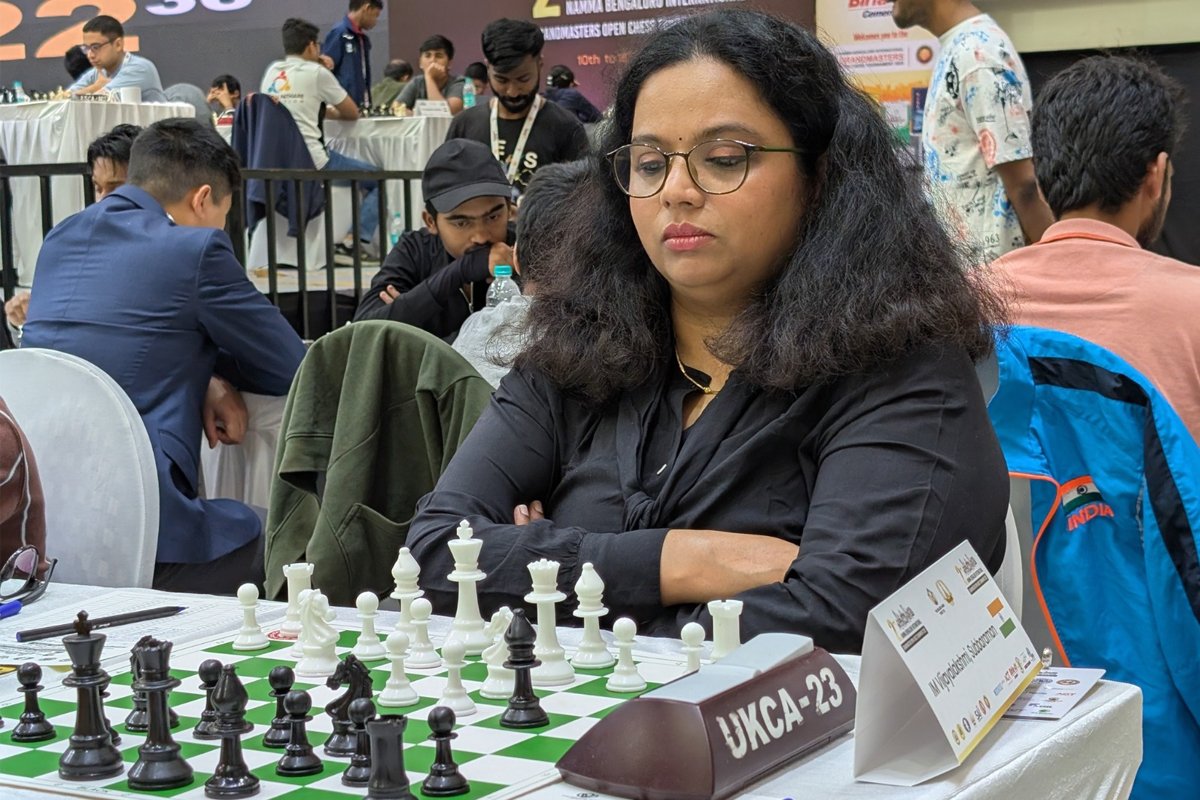
For International Chess Day, India’s first Woman Grandmaster reflects on a life shaped by chess.
The first board Vijayalakshmi Subbaraman ever played on was so light that a ceiling fan on full speed could scatter the pieces across the room. It was an unlikely start for someone who would go on to become India’s first Woman Grandmaster, a six-time national champion, and onDe of the world’s highest-ranked women in the game.
“I was a very outdoor sports person at that point of time,” she says, recalling herself as a restless three-and-a-half-year-old who played with balls more than boards. Her father got her that plastic chess set anyway, teaching her himself while learning many of the finer points alongside her.
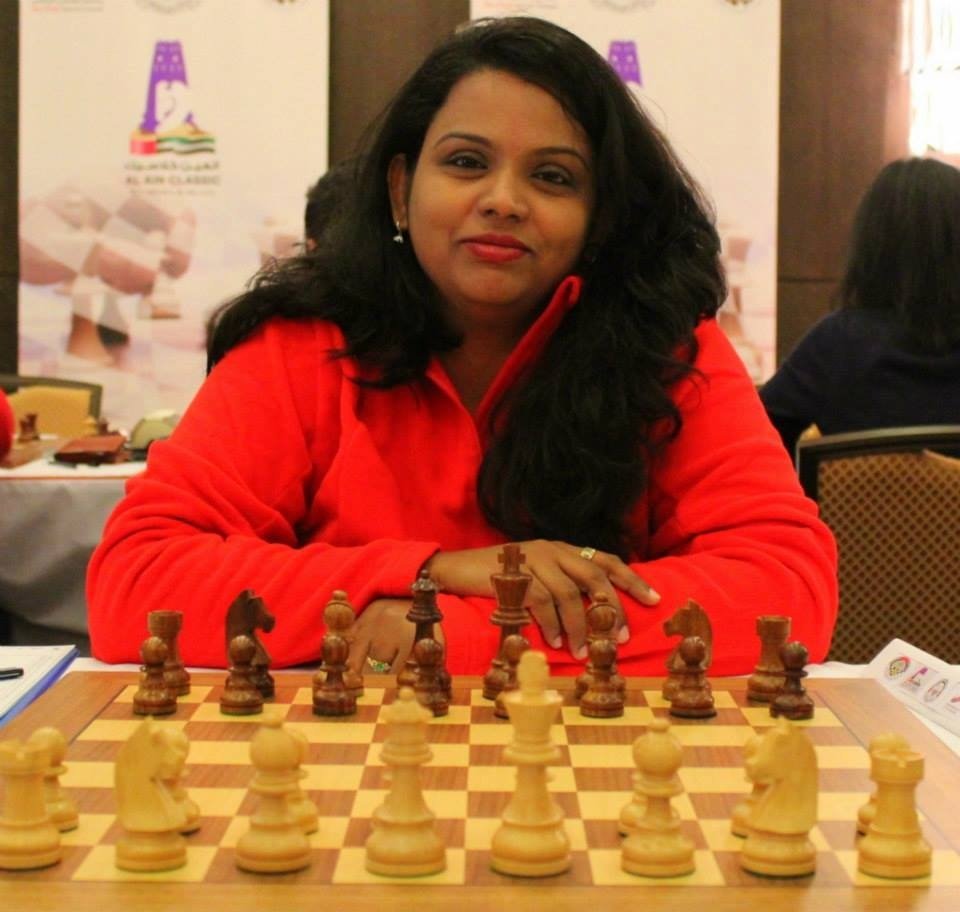
THE BOARD THAT STARTED IT ALL
For Vijayalakshmi, that early plastic chessboard remains one of her clearest childhood memories. Her father introduced her to the game when she was still more drawn to outdoor sports than indoor ones.
The pieces were known to her through familiar Indian names—the horse and the elephant—long before she encountered the terminology and technical language of international chess. What fascinated her was not a future title or tournament, but the board itself: a small, intriguing world with its own rules, movement and possibilities.
That first game, played at home with her father, became the beginning of a journey that would alter the course of Indian women’s chess.
THE MAP SHE MADE
India had almost no chess infrastructure when Vijayalakshmi started, and even less for women.
“I’m happy that, somewhere in this journey of growth, I was able to play a small part. I’m extremely proud that being India’s first woman grandmaster has inspired so many young girls to take up the game and carry it forward.”
For Vijayalakshmi, that has been the greatest reward. The sport has changed dramatically since those early years, but some of her beliefs about chess have remained remarkably unchanged.
WHEN THERE WAS NO ROADMAP
The chess landscape Vijayalakshmi entered was vastly different from the one young players see today. Books, chess clocks, coaching systems, tournaments and access to structured preparation were limited. For girls, the opportunities were even fewer.
She did not view those years as a reason to stop. Instead, she focused on becoming a better version of herself with every stage of the journey.
Today, Indian chess has grown into a global force, with young players receiving far more visibility and support than before. For Vijayalakshmi, watching that progress has become one of the most meaningful parts of her own legacy.
THE HUMAN EDGE
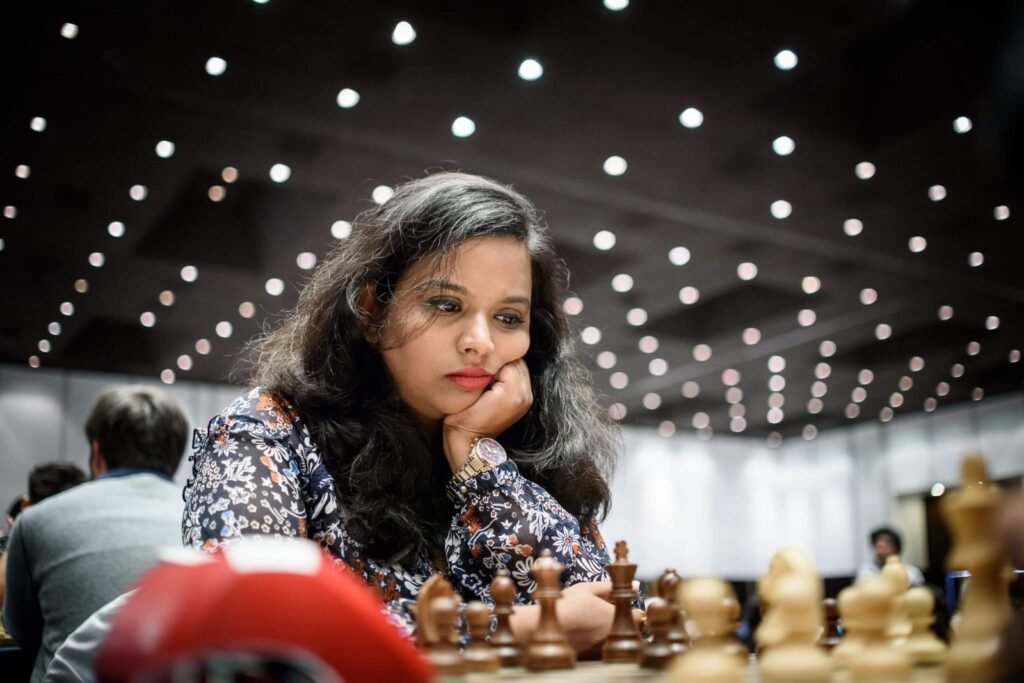
In an era of engine-assisted preparation, Vijayalakshmi still trusts the human mind.
“If you start to think only like how an engine would do, I think we would lose track at one point of time,” she says. “It is impossible for a human to be as neutral as a computer engine would be.”
She points to Magnus Carlsen as proof. “He’s more humane in that sense. So I think the philosophy still holds.”
For Vijayalakshmi, technology can be a valuable part of preparation, but it cannot replace instinct, mental strength and the ability to read a position as a human being. Chess is not simply about identifying the perfect move. It is also about handling pressure, understanding an opponent and trusting one’s own thinking when the stakes are high.
A PASSPORT FULL OF TOURNAMENTS
Decades of competition have left Vijayalakshmi with memories that stretch far beyond the chessboard. One stands out above the rest.
During the Chess Olympiad in Bled, Slovenia, she and her teammates made it a ritual to walk around the city’s lake every day, despite long hours of preparation and competition.
“The lake was beautiful, and while we walked, we used to discuss a lot of chess,” she recalls.
Vijayalakshmi went on to win a silver medal on the top board and still considers those lake walks among her favourite memories.
Food has left an equally lasting impression. Tournaments in Italy introduced her to aubergine pizzas, fresh pasta, and authentic spaghetti, while a stay in Liechtenstein brought memorable local flavours she still remembers years later.
VIJAYALAKSHMI’S TRAVEL SHORTLIST
IN INDIA: MYSORE
Don’t Miss
• Mysore Palace
• Brindavan Gardens
• A detour to Coorg
ABROAD: ROME
Don’t Miss
• The Colosseum
• The Pantheon
• Trevi Fountain
• Vatican City
FOR THE CURIOUS TRAVELLER
• Liechtenstein: A beautiful hilltop escape
• Cutro, Italy: A rustic Italian village worth seeking out
BACK TO NAMMA CHENNAI
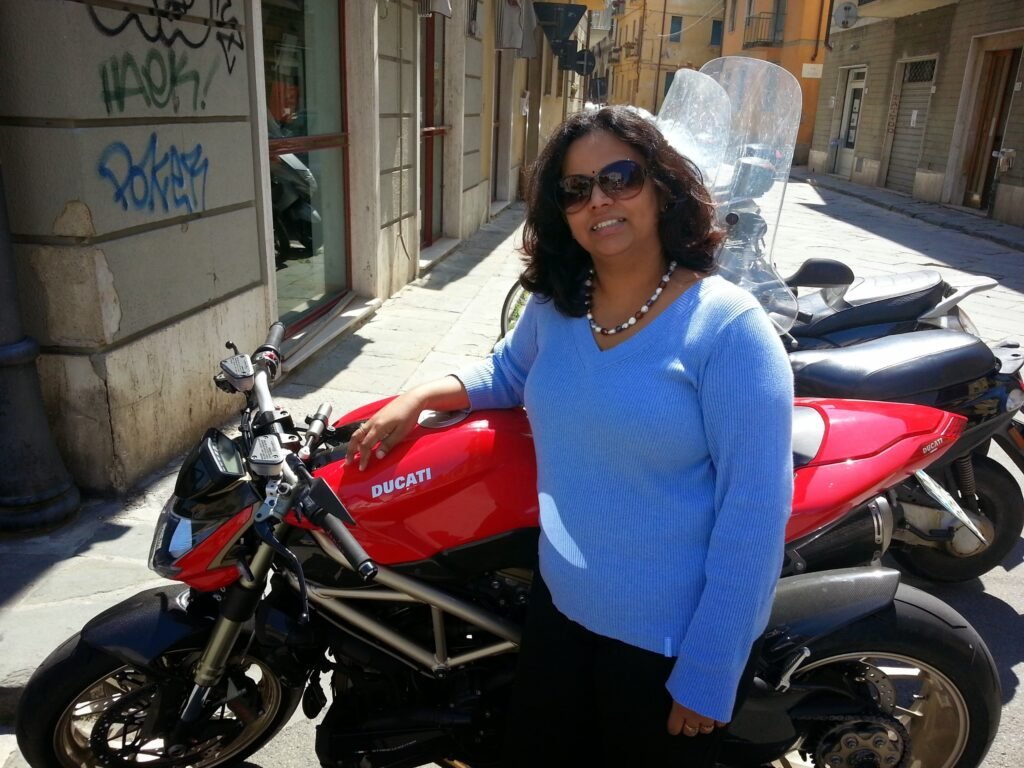
After tournaments across Europe and beyond, Chennai remains the place Vijayalakshmi associates most closely with comfort and belonging.
Her go-to meal after returning home is simple: curd rice, sambar rice, potato fry, appalam and dosa. It is a reminder that even after years of travelling the world through chess, the familiar food and rhythm of home continue to hold a special place.
Bled remains one of her most cherished travel memories. Rome is among her favourite cities. Italy’s food continues to stay with her. But Chennai, with its unmistakable energy and home-cooked meals, is still where she feels most herself.
OFF THE BOARD
The same player who refuses to outsource her thinking to a machine also happens to love Minesweeper.
“Any kind of game, video games, card games,” she laughs, calling it the one thing about her that might genuinely surprise people.
On flights, she avoids anything heavy. “Never a sad movie,” she insists, sticking to Friends and comedies instead.
For Vijayalakshmi, even a rare break from the board is best spent lightly—catching up on rest, watching something comforting, listening to music or playing another kind of game.
THE NEXT GENERATION
Indian chess has transformed dramatically since Vijayalakshmi’s early years, when resources and opportunities were scarce.
“It’s been an amazing journey for me personally, and to see India grow in chess as well,” she says.
Yet she hopes the gap in opportunities between boys and girls continues to narrow.
“To see another young Viji with so much of opportunity—that is something I would really love to witness.”
THE LEGACY OF A FIRST
Vijayalakshmi’s story is not only about becoming India’s first Woman Grandmaster. It is about what that first can mean for everyone who follows.
A young girl sitting at a board today has access to a chess world that is more visible, more connected and more ambitious than the one Vijayalakshmi entered. But she believes there is still room for the opportunities available to girls to grow further.
Her hope is clear: that the next generation can focus more completely on the game itself, with stronger systems of support around them.
From a plastic board that could not withstand a ceiling fan to Olympiad medals, international tournaments and a historic place in Indian chess, Vijayalakshmi Subbaraman’s journey remains proof that one first move can change the board for everyone.
India’s First In-Train Magazine 001
India’s first in-train magazine offers travelers engaging content like travel tips, destination highlights, and entertainment, making the journey more enjoyable and informative.

Follow Us
Popular Categories