The Small Habits That Win: Food & Fitness in a Distracted Age

Prof. Vinod Huria
We live in an era of wearable trackers, 10,000-step targets, and superfoods flown in from three continents. Yet lifestyle diseases continue to rise. The paradox is simple: we have more health information than ever,
but less attention to apply it. After 35 years in the food industry, I have learned that lasting wellness is not built on grand, dramatic resolutions. It is built on small, quiet, repeatable choices.
Fitness does not begin in the gym. It begins in the kitchen
Muscle is built through resistance training, but it is revealed by what you eat. India’s protein gap is well documented — the average adult consumes 0.6 to 0.8g/kg body weight of protein, far below the 1-1.2 g/kg needed for healthy ageing. You do not need expensive powders to fix this. A fistful of roasted chana, a katori of dal, curd, eggs, or a small portion of paneer or fish at each meal bridges the gap easily. Think ‘protein first’ on your plate, not ‘protein powder first’ in your cart.

The quiet saboteur of modern health is ultra-processed food (UPF). The real danger lies not in the occasional festive samosa or wada, but in the daily packet of biscuits with chai, the ‘healthy’ breakfast cereal laden with hidden sugars, and the packaged fruit juice stripped of its natural fibre. These products are engineered to encourage overconsumption: they deliver an instant burst of flavour, are rapidly digested, and leave the brain craving more. A reliable rule of thumb is simple: if your grandmother would not recognise it as food, keep it off your daily menu.
Movement is not a calendar event. It is a continuous background process
While the World Health Organisation (WHO) recommends 150 minutes of moderate activity each week, the bigger win lies in interrupting prolonged sitting. A 2023 Lancet clinical research study shows that just 2 minutes of walking every half-hour offsets much of the metabolic harm caused by sedentary work. Take phone calls while pacing. Use stairs for 1–2 floors. Park your bike or car further away. These micro-movements compound like interest, keeping blood sugar stable and joints mobile and keeping your brain alert.
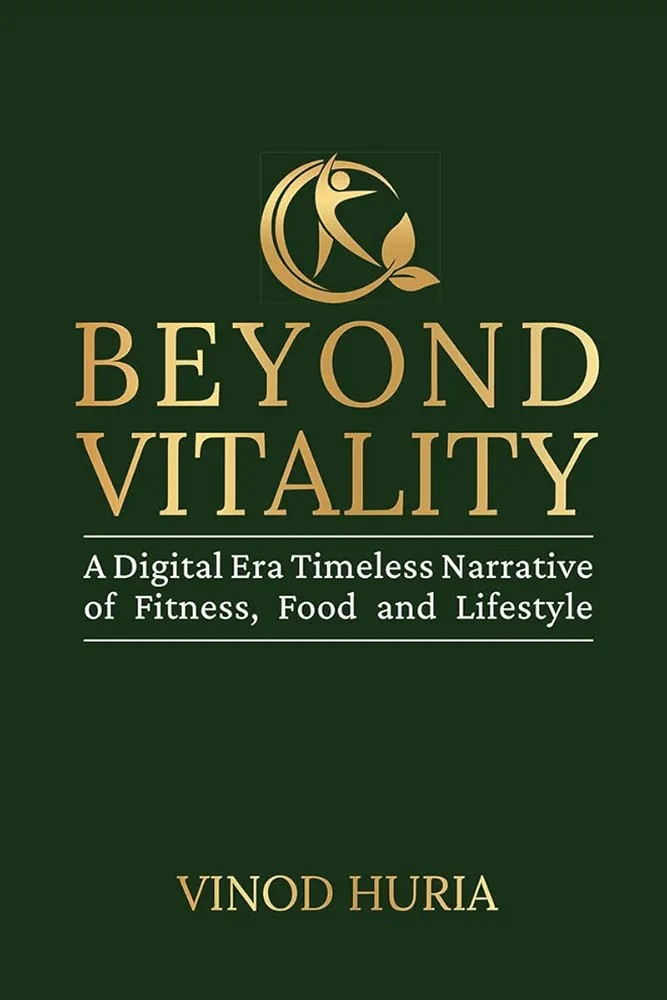
Build on these daily habits with structured movement, including strength training two to three days a week. Simple bodyweight exercises such as squats, wall push-ups, and seated rows can help preserve strength and functional capacity. Yoga complements this routine by improving flexibility, balance, and muscular health. As emphasised in Beyond Vitality: A Digital Era, Timeless Narrative of Fitness, Food and Lifestyle, muscle becomes a vital form of metabolic insurance after the age of 30, supporting insulin sensitivity, resilience, and independence decades later in life.
Sleep and stress management are essential nutrients, too
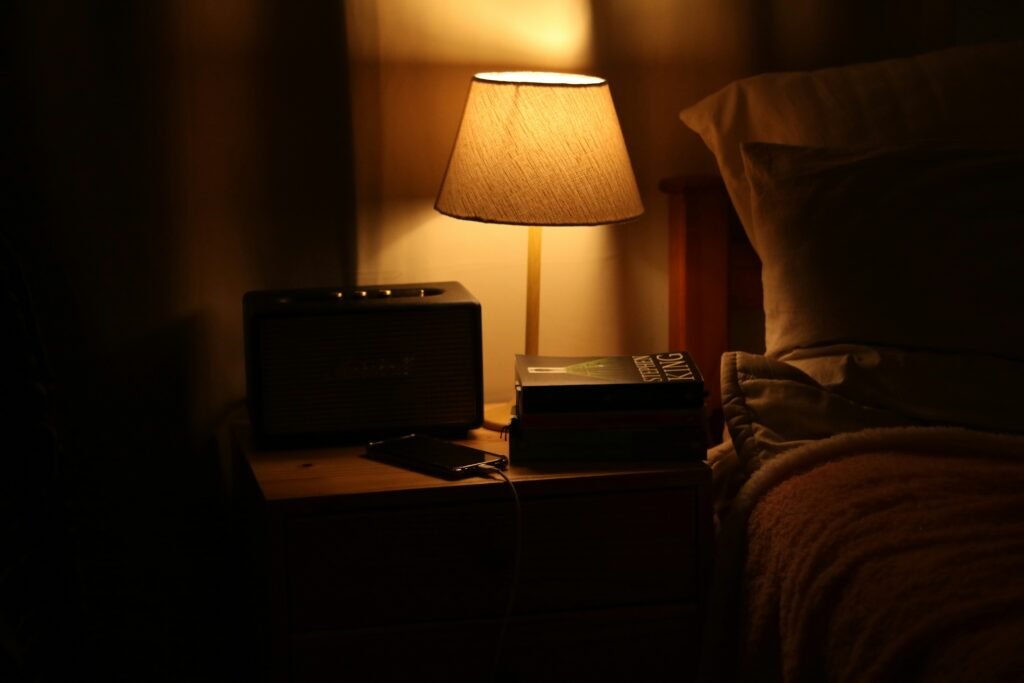
No diet can outrun chronic sleep debt. Getting under 6 hours of sleep elevates ghrelin, the hunger hormone, while suppressing leptin, which signals satiety. Your brain demands quick energy, driving cravings for refined sugar and fried snacks. Meanwhile, unmanaged stress elevates cortisol, nudging the body to store visceral fat around the abdomen. True fitness includes a simple 10-minute nightly wind-down: dim lights, no digital screens, and a quiet book. Food, movement, sleep, and stress form a single integrated system.
The Digital Era Twist
Smartphones fragment our attention and reward instant gratification. Health, by contrast, relies entirely on delayed gratification. The antidote is not brute willpower — it is smart environmental design. Keep fresh fruit visible and processed snacks out of sight. Schedule short walking breaks like mandatory meetings. Charge your phone outside the bedroom. Smart design beats fleeting motivation every time.
The Way Forward
Forget 30-day drastic transformations. Ask instead: what is one 2-minute habit I can sustain for two years? Add an egg or a portion of sprouts to lunch. Walk 5 minutes after dinner. Turn off screens 15 minutes earlier.
True health innovation is not a new capsule or an innovative app. It is choosing, daily, to care for yourself through small, consistent wins. That is how we build vitality — not just for a season, but for life.
About the Author: Prof Vinod Huria is a development researcher with extensive experience at CSIR-Central Food Technological Research Institute, Mysuru, and the National Dairy Development Board, Anand. He advocates sustainability by integrating food, nutrition, health, technology, and healthy living. His Notion Press published books, Food: An Insightful Exploration and Beyond Vitality, present forward-looking ideas connecting scientific innovation, sustainable living, and personal well-being clearly.

India’s First In-Train Magazine 001
India’s first in-train magazine offers travelers engaging content like travel tips, destination highlights, and entertainment, making the journey more enjoyable and informative.

Follow Us
Popular Categories