10 Common Nutrition Myths: Busted by Science
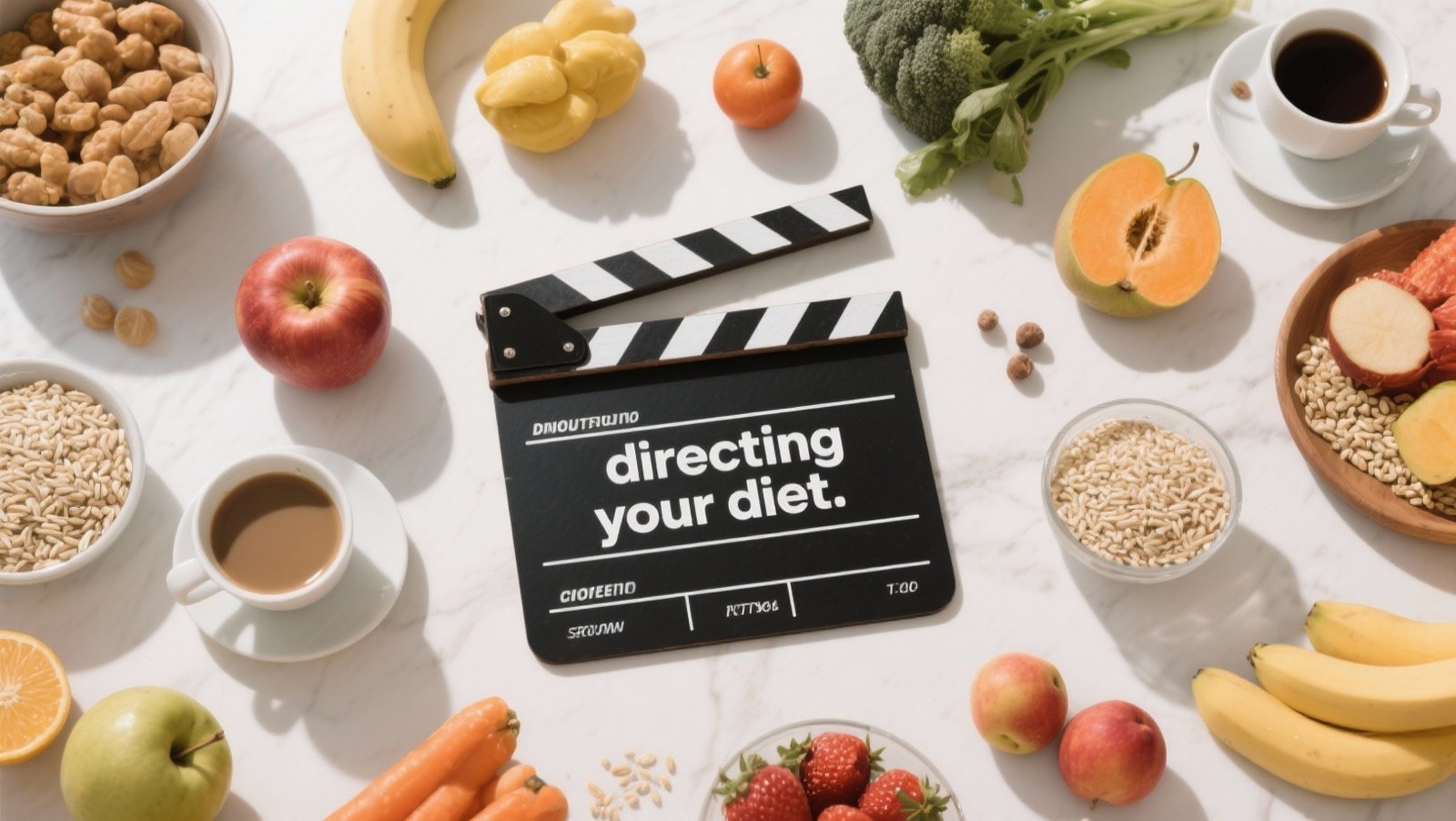
Here are 10 of the worst directing notes, completely busted by the crew.
(Because directing your diet is a lot like making a blockbuster.)
We’ve all heard so-called “expert” tips about eating right — skip breakfast or meals, avoid fats. But do you know they’re like bad directing notes — the kind which ruins a good movie before it even starts?
So, lights, camera, action — here are 10 worst “directing notes” about food, completely busted by the crew that actually knows how to make a hit: your body.
1. The Myth: “Don’t shoot the first scene. Just get straight to the action.”
The Truth: Breakfast is the first scene. It sets the tone, gets the cast energized, and makes the whole story make sense.
Director’s Notes:
Imagine starting your day without breakfast — no dialogue, no setup, just chaos. Your body, the cast, is confused and cranky. There’s no rhythm, and by mid-morning, your energy tanks like a movie losing its audience in the first ten minutes.
Breakfast doesn’t need to be grand — even something simple like Upma with fruit or Idly can set the stage. A good breakfast fuels your brain, improves focus, and keeps cravings under control. Without it, your body will go off-script and start improvising — usually by demanding sugar and caffeine.
2. The Myth: “Cut the special effects department. They just add too much.”
The Truth: Healthy fats are your special effects team — they make everything look smoother.
Director’s Notes:
Trying to make a “fat-free” film is like making a movie with no special effects. Sure, it saves time at first, but the final cut feels dull and flat. Healthy fats — like nuts, seeds, coconut oil, avocados — are what give your film that cinematic glow.
They help absorb vitamins, keep your brain sharp, and make your meals satisfying. When you cut them out, your story loses balance. And to make up for the lost richness, you end up adding sugar or processed ingredients — those overacting extras that ruin the plot.
3. The Myth: “Only use the quick-and-easy actors. You don’t need the complex ones.”
The Truth: All carbs aren’t villains. You need both quick and complex characters.
Director’s Notes:
Simple carbs — like white bread or sweets — are the impulsive actors who show up, create chaos, and disappear. Complex carbs — like whole grains, millets, and brown rice — carry the story forward, scene after scene.
Without them, you’ll have bursts of energy followed by sudden crashes. A well-balanced cast keeps the story flowing smoothly — your body needs a mix of both for performance, endurance, and clarity. Choose your actors wisely.
4. The Myth: “Just hire one superstar actor. The whole movie can be about them.”
The Truth: No single food makes you healthy — it’s about the whole cast.
Director’s Notes:
Ever tried making a movie with just one actor? It’s exhausting and predictable. The same goes for food. The latest “superfood” — be it moringa or chia seeds — can’t carry the whole story.
Your body thrives on variety. The colorful fruits, earthy lentils, crunchy vegetables — each has a role. Together, they create a balanced script full of nutrients, flavors, and happy endings.
5. The Myth: “No shooting after sundown. It’s bad for the film.”
The Truth: The clock doesn’t control your metabolism — your habits do.
Director’s Notes:
There’s no magic hour when eating suddenly turns unhealthy. What matters is what and how much you eat. Late-night shooting (or snacking) isn’t bad if your portion and food choice are right.
A small bowl of dal soup before bed is fine — but a bag of chips or leftover cake? That’s like adding unnecessary drama before the credits roll. Keep your meals consistent, your energy levels will stay in character.
6. The Myth: “Just use the raw footage. Don’t bother with editing.”
The Truth: Fresh juice without fiber is like unedited footage — fast, but incomplete.
Director’s Notes:
When you blend or juice fruits, you remove the fiber — the editor gives context, pacing, and meaning to the story. Fiber slows sugar absorption, aids digestion, and keeps you full.
Without it, your blood sugar spikes like a messy jump cut. Eat the whole fruit — that’s the director’s cut your body deserves.
7. The Myth: “You don’t need the supporting cast. They’re too small to matter.”
The Truth: Vitamins and minerals are supporting cast — they make the stars shine.
Director’s Notes:
The lead actors (carbs, fats, proteins) get all the attention, but the supporting cast (vitamins, minerals, antioxidants) keeps the production running. They manage lighting (energy), sound (nerves), and makeup (skin, hair).
Without them, your main actors won’t perform. So bring in greens, citrus fruits, and nuts — they’re the unsung heroes behind every hit performance.
8. The Myth: “You need a special crew to ‘detox’ the whole set.”
The Truth: Your body already has a top-notch cleaning team.
Director’s Notes:
Your liver, kidneys, and skin are the body’s janitorial crew — always on duty, always efficient. You don’t need pricey detox drinks or extreme diets. What they need is support — hydration, fiber, rest, and balanced meals.
Think of it as keeping your film set clean and organized, instead of hiring an overhyped “detox” crew that promises miracles and delivers confusion.
☕ 9. The Myth: “The director’s coffee is bad for film.”
The Truth: A little caffeine is your behind-the-scenes boost.
Director’s Notes:
Coffee is that assistant director who keeps things moving. A moderate amount improves alertness, focus, and mood. The key is moderation — too much and your director becomes jittery, anxious, and makes impulsive edits.
A cup or two is fine, especially when paired with good meals and hydration. Just don’t let caffeine become the star of your film.
10. The Myth: “Don’t use any sugar in script. Audience will get sick of it.”
The Truth: Your body needs some sugar — just pick the right kind.
Director’s Notes:
A movie with no sweetness feels dull. So sugars — from fruits, vegetables, and dairy — are part of your body’s energy storyline. Refined sugars are like cheap plot twists that give short-lived excitement and long-term regret.
Choose sweetness that adds value to your story. A banana, not a candy bar. A date, not a doughnut. That’s how you keep your audience — your blood sugar — happy till the credits roll.
Final Take: Direct Your Health Like a Pro
A great director knows every element — lighting, script, timing, and teamwork — matters. The same goes for your health. No shortcuts, no overhyped tricks.
Eat balanced meals, stay consistent, trust your body’s crew to do their job. Because when your nutrition is well-directed, every day feels like a blockbuster.

India’s First In-Train Magazine 001
India’s first in-train magazine offers travelers engaging content like travel tips, destination highlights, and entertainment, making the journey more enjoyable and informative.

Follow Us
Popular Categories