Keeladi: The City Under The Soil
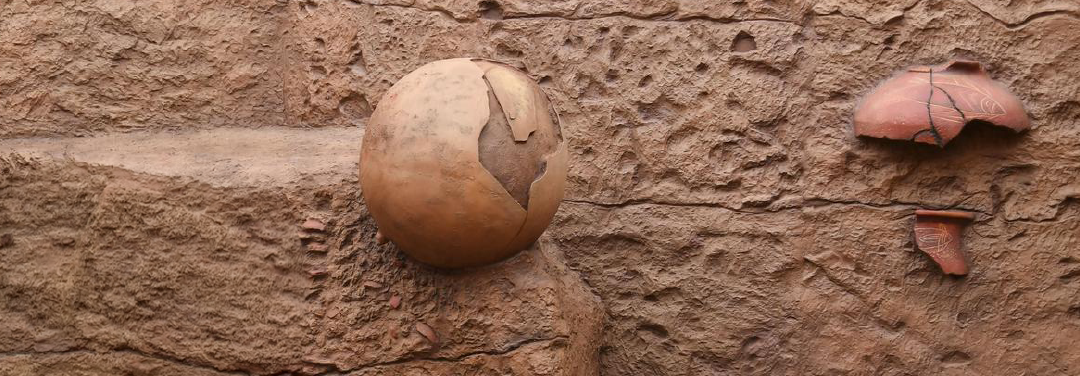
Beyond the Roman coins, inscriptions, and industrial structures lies an even more fascinating picture of ancient Tamil life: gaming pieces, advanced pottery technology, environmental studies, burial customs, food traces, and evidence of a thriving urban culture still being uncovered beneath the Vaigai plains.
What Keeladi reveals about the people, innovations and everyday lives of an ancient Tamil civilisation.
Among the thousands of artefacts uncovered at Keeladi were objects that feel unexpectedly familiar today.
Archaeologists found dice made of ivory and terracotta, gaming counters, toy wheels, hopscotch pieces, combs, terracotta figurines, and ornamental jewellery. The discoveries suggest that leisure, recreation, and personal adornment formed an active part of everyday life.
There is even evidence of highly detailed craftsmanship in miniature objects and semi-precious stone beads made from agate, quartz, amethyst, and carnelian.
A Society Of Skilled Craftspeople
Keeladi’s excavations revealed not only large industries, but highly specialised artisans.
Researchers uncovered spindle whorls, sharpened bone tools likely used in weaving, copper needles, and finely worked ornaments. Certain micro glass beads recovered from the site were found in vivid shades of blue, green, yellow, orange, and red, suggesting advanced bead-making and decorative industries.
Some excavation layers showed an increasing concentration of these ornamental objects over time, hinting at urban growth and expanding prosperity within the settlement.
Ancient Tamil Gaming Culture
One of the more unusual discoveries from Keeladi was a collection of carefully crafted dice with standardised dot markings remarkably similar to modern gaming systems.
The arrangement of markings followed structured numerical patterns, suggesting organised recreational activity rather than random decoration. Combined with gaming counters and play objects, the finds offer a rare glimpse into social life beyond trade and labour.
What The Landscape Once Looked Like
Scientific studies conducted on pollen and microscopic plant remains reconstructed an ancient environment very different from the one visible today.
The Vaigai basin around Keeladi once supported large stretches of grasses, palms, sedges, and wetland vegetation. At the same time, environmental evidence suggests the region also experienced recurring dry conditions and water stress.
Researchers studying sediments from ring wells identified signs of organic pollution linked to concentrated human settlement activity—evidence that even early urban centres faced environmental pressure.
Technology Hidden In Pottery
The famous black-and-red pottery found at Keeladi was not simply decorative ware.
Scientific analysis by international researchers revealed that ancient potters used carefully controlled firing methods capable of reaching temperatures close to 1100°C. The process required managing oxygen levels inside kilns to create the distinctive dual-tone appearance.
The mineral composition of certain ceramics also suggests exchange networks with neighbouring regions beyond the Vaigai basin.
The Burial Practices Few Talk About
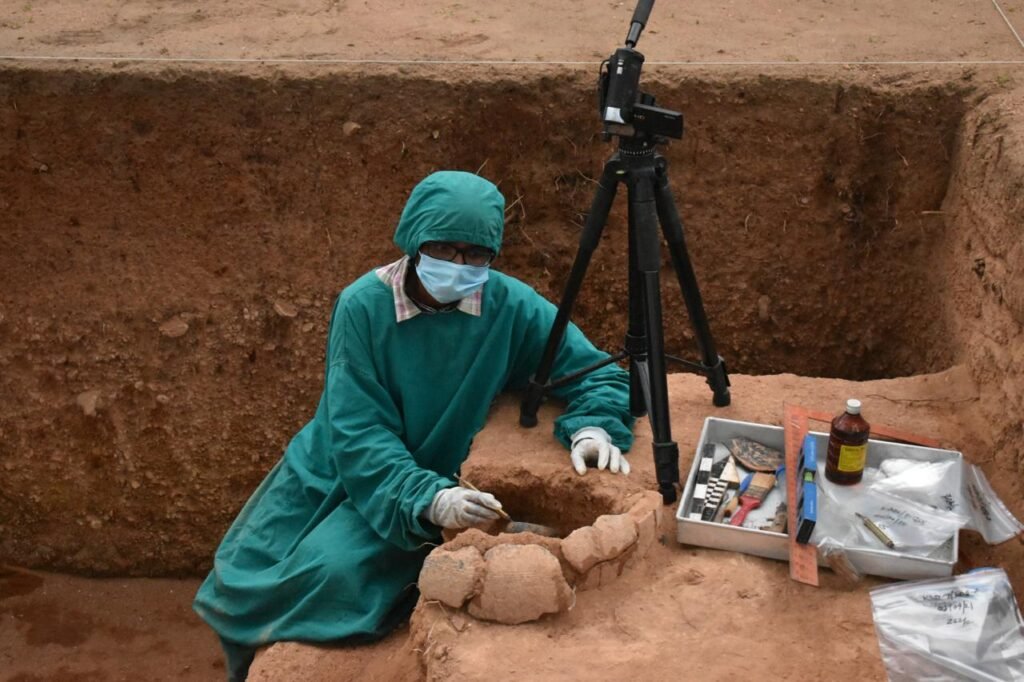
While Kondagai is known for its urn burials, archaeologists also uncovered several unusual funerary practices rarely discussed outside excavation reports.
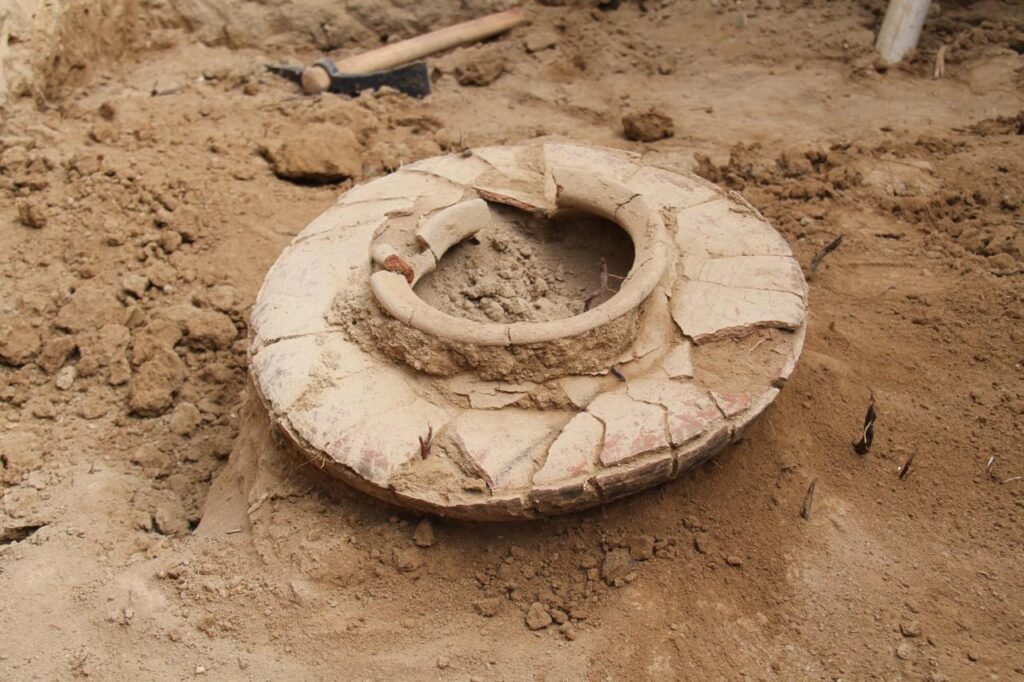
Some burials contained stacked urns placed one above another, while others used hybrid pottery combinations where red ware urns were sealed using black-and-red ware lids. Certain sectors of the burial ground contained extended burials with very few grave goods, suggesting changing rituals or social distinctions within the community.
These details reveal that burial customs at Keeladi were far more varied and complex than a single uniform tradition.
Evidence Of Hunting And Animal Rearing
Faunal analysis from the site showed that the people of Keeladi relied heavily on domesticated livestock including cattle, buffaloes, goats, and sheep.
At the same time, archaeologists identified cut marks on deer and wild pig bones, confirming that hunting remained part of food practices alongside agriculture and animal husbandry.
The findings point toward a settlement that balanced farming, trade, craft industries, and access to surrounding natural ecosystems.
Only A Fraction Has Been Excavated
Perhaps the most important fact about Keeladi is how much still remains buried.
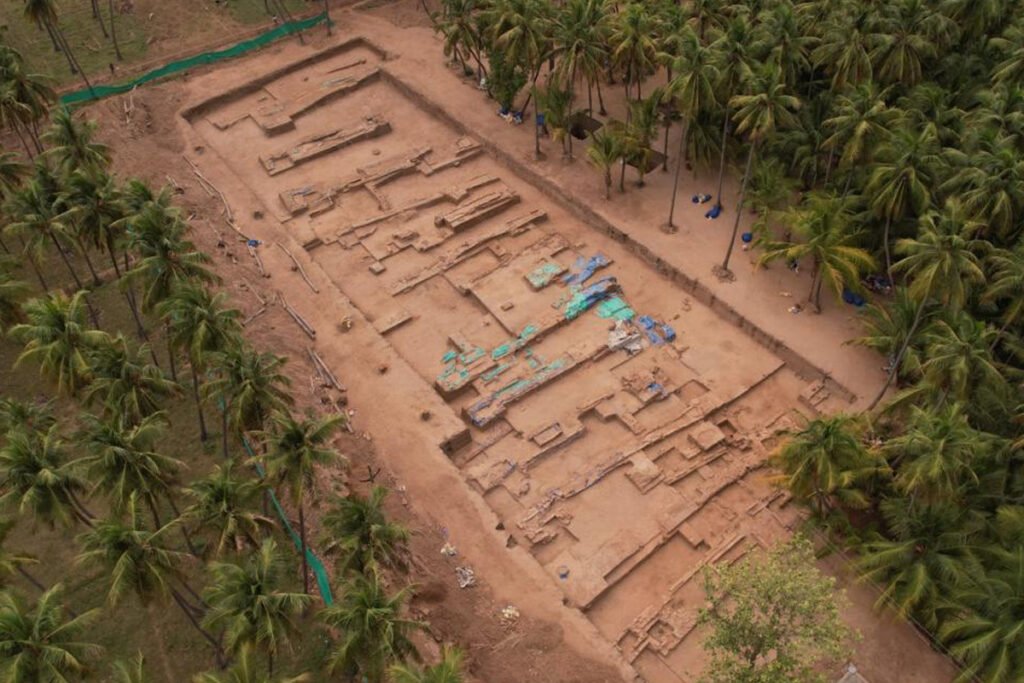
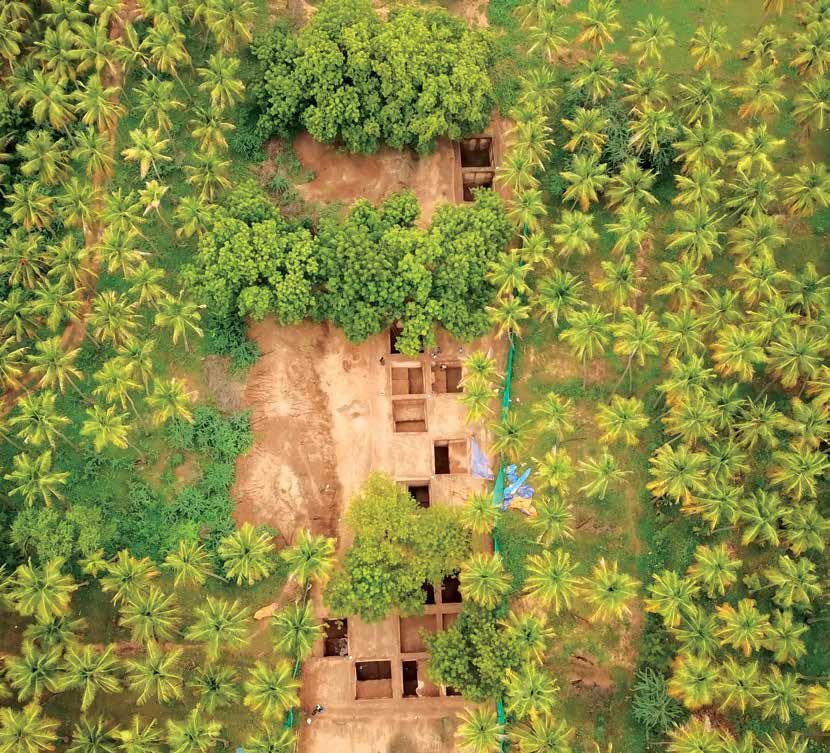
Only a limited portion of the 110-acre mound has been scientifically excavated so far. Archaeologists believe deeper Iron Age layers may still lie beneath the currently exposed settlement.
With every season, Keeladi continues to grow beyond its original narrative, not just as an archaeological site, but as one of the most detailed windows into everyday urban life in ancient South India.
The historical insights shared are based on available archaeological studies and findings.

India’s First In-Train Magazine 001
India’s first in-train magazine offers travelers engaging content like travel tips, destination highlights, and entertainment, making the journey more enjoyable and informative.

Follow Us
Popular Categories