How Do Processed Foods Affect Your Body Over Time?
The Long-Term Cost of Choosing Processed Over Real Food
Forget the old “body as a car” or “body as a machine” metaphors. Let’s think of something closer to home, literally.
Your body is your house, it is the place you live in every day, the one structure you can never move out of. And just like any house, how strong, stable, and comfortable it is depends entirely on what materials you use to build it.
You, the owner, have two choices:
Build a Fast House, using cheap, pre-made parts that go up in record time.
Or invest in a Forever Home, using quality materials that take more effort but last for decades.
At first, both may look the same — shiny, bright, ready to move in. But what happens over time tells the real story.
The Beginning: A House Built on Shortcuts
Cheap Materials, Flimsy Walls
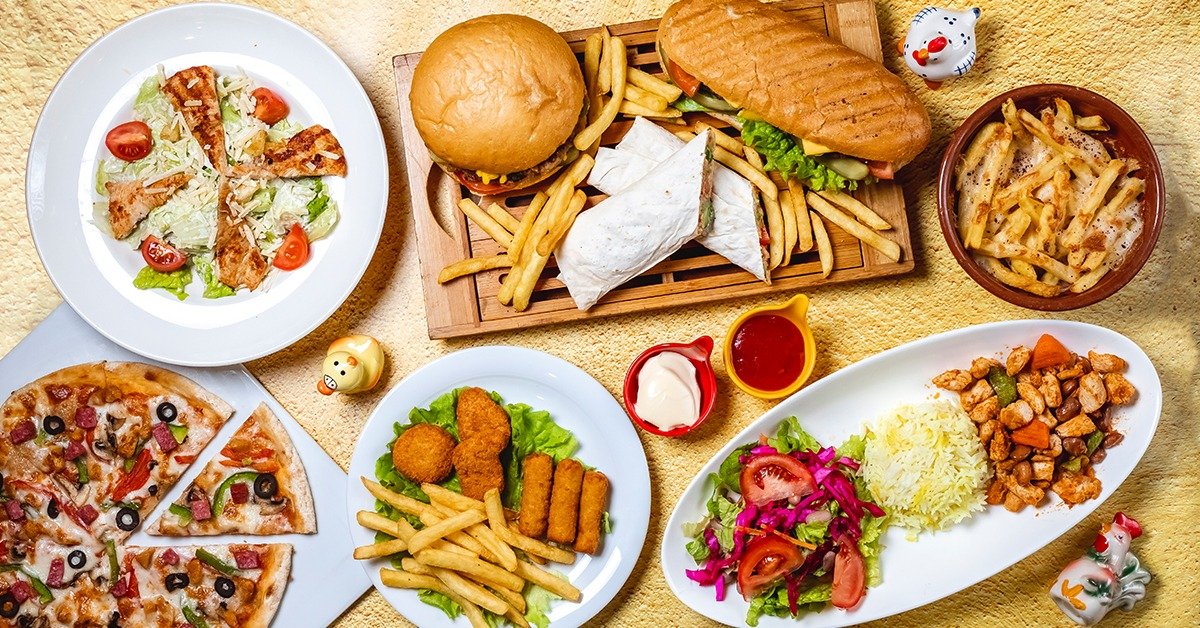
Processed foods are the pre-made parts of a fast house — flashy, convenient, and quick to assemble. They’re full of artificial colors, refined sugars, and unhealthy fats that make them look appealing on the outside.
But underneath the polish, these materials are weak. The walls are made of cardboard — your body’s lack of fiber and real texture. The pipes are cheap plastic — representing the absence of vitamins and minerals. The windows? They’re covered in a sticky, sweet glaze of added sugars and refined oils.
The result? A house that appears perfect but has no true strength or insulation. It can’t protect you from the everyday wear and tear that life brings.
It Looks Good… for a While
When you first move into your fast house — or start eating more processed food — it feels fantastic. You’re comfortable, it’s easy, and you don’t have to think about anything.
Fast food, packaged snacks, and instant meals deliver quick satisfaction — a burst of energy, a hit of dopamine, and a full stomach in minutes. It’s the illusion of nourishment.
But like that brand-new prefab home that starts showing cracks within months, the problems don’t stay hidden for long.
The Unraveling: When the Fast House Starts Falling Apart
Over time, the shortcuts start catching up. The damage is slow — so subtle you barely notice it happening — until one day you realize the structure isn’t holding up the way it used to.
1. The Structure Weakens
The first signs are often invisible. You might feel a little more tired than usual, a bit more sluggish after meals, maybe catch colds more often.
Inside, your “walls” — your muscles, tissues, and organs — are made from weak materials. With too few quality proteins and nutrients, your body can’t rebuild and repair itself effectively. Your immune system starts to falter. Recovery from exercise slows down. You wake up tired even after a full night’s sleep.
It’s like living in a house with thin walls that can’t handle the weather. Everything looks fine from the outside — until a small storm hits.
2. The Pipes Get Clogged
Remember that shiny sweet coating on the fast house’s walls? Over time, it seeps into the plumbing.
In your body, this is what happens when added sugars and refined carbs overwhelm your system. They cause spikes in blood sugar, forcing your body to work overtime to balance it out. The “pipes” — your blood vessels and metabolic pathways — become inflamed and clogged with excess fats and sugars.
Eventually, this constant stress leads to insulin resistance, high blood pressure, and increased risk of heart disease. Your body’s flow — the circulation, energy, and oxygen delivery — all slow down. The system becomes inefficient, and maintenance costs skyrocket.
3. The Foundation Cracks
The longer you rely on cheap materials, the more stress your foundation endures.
Those small cracks — the ones you think don’t matter — represent chronic inflammation. It’s the silent damage happening inside your cells every day when your body struggles to process preservatives, additives, and trans fats.
At first, it’s invisible. Then you start noticing symptoms: bloating, frequent fatigue, skin problems, brain fog, or unexplained aches. Over years, these cracks can deepen into more serious issues like diabetes, arthritis, or heart disease.
You can repair some of them, but the longer you wait, the cost gets higher — both for your wallet and your well-being.
4. Endless Repairs and Quick Fixes
Living in a fast house becomes a full-time job. You’re constantly patching leaks, repainting walls, and replacing parts that keep failing.
In real life, this looks like frequent doctor visits, nutrient deficiencies, weight fluctuations, or constant energy crashes. Your immune system stays on high alert, fighting fires every day.
And because the fast house is built on convenience, you keep reaching for more quick fixes — energy drinks, processed snacks, sugar rushes — which only make the next problem arrive faster.
Building a Forever Home: A Body That Lasts
Now, let’s step into a different kind of house — your Forever Home.
This one takes time and care to build. You choose materials that are sturdy, natural, and built to last. Fresh vegetables, fruits, whole grains, legumes, nuts, and seeds — these are the bricks, beams, and cement of a strong structure.
The fiber acts like reinforced concrete, keeping your system stable and strong. Vitamins and minerals are your wiring and plumbing — ensuring everything runs smoothly. Healthy fats are the insulation that keeps you warm and protected. And proteins are the bricks and beams — the essential structure of your entire home.
It’s not built overnight, but each meal adds another layer of strength and stability.
Long-Term Benefits: Why the Forever Home Wins
A forever home doesn’t crumble after a storm. When you nourish your body with real food, it repays you with resilience.
Your energy stays consistent throughout the day.
Your immune system handles small threats effortlessly.
Your skin, hair, and mood reflect balance and health.
Your mind stays sharper and calmer.
Whole, unprocessed foods don’t just feed you — they fortify you. They allow your body to repair itself naturally, just as a well-built home requires minimal maintenance over time.
The Final Choice
Ultimately, the choice is yours. You can keep building the Fast House — quick, convenient, and flashy — or you can start laying the foundation for your Forever Home, one solid meal at a time.
The fast house gives you instant comfort but constant repairs. The forever home takes effort but rewards you with lifelong stability.
And remember: it’s never too late to rebuild. Every time you choose whole over processed, you replace one weak beam with a stronger one.
So the next time you pick your groceries, ask yourself —
Are you building a house that lasts for a season or one that stands for a lifetime?

India’s First In-Train Magazine 001
India’s first in-train magazine offers travelers engaging content like travel tips, destination highlights, and entertainment, making the journey more enjoyable and informative.

Follow Us
Popular Categories