Fifty, Fit and Forward
HEALTH & WELLNESS | QUICK GUIDE
Why strength, protein and prevention are the real wellness essentials after 50.
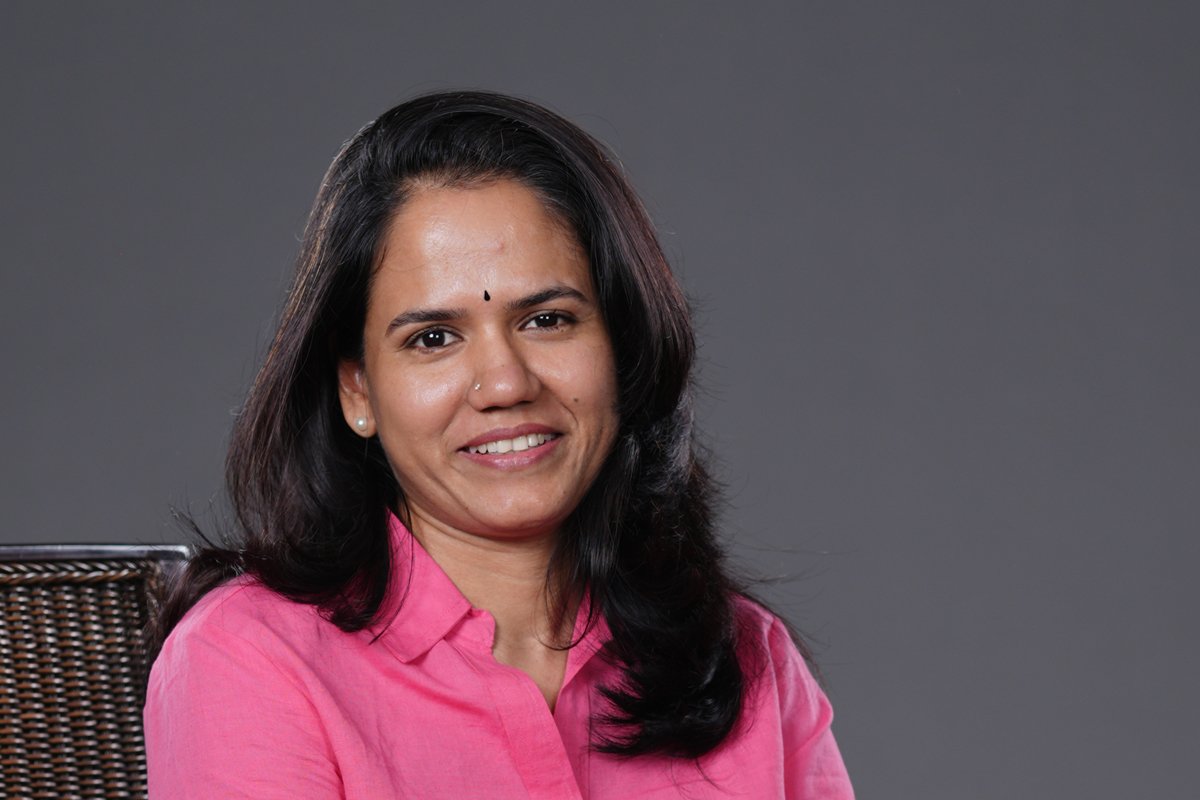
SANDHYA MANIAN
Sandhya Manian is a holistic and integrative nutritionist who blends clinical nutrition, behavioural coaching and sustainable living through her practice, Wellness with Sandhya.
@nutritionist_sandhyamanian
Health after 50, according to Sandhya Manian, should not begin only after a fall, fracture or diagnosis.
A client once told her that she had no idea how much bone strength she had lost until a simple slip on a wet floor resulted in a fracture. There had been no obvious pain or warning beforehand.
“The body doesn’t send you a memo before it fails you,” Sandhya says. Problems can develop quietly for years before a fall, persistent fatigue or another health event finally brings them to attention.
For people above 50, she narrows the priority list to three essentials: muscle, sleep and prevention.
Muscle loss can remain unnoticed until everyday tasks—getting up from the floor, rising from a chair or carrying groceries—become difficult. Sandhya therefore asks clients to stop focusing entirely on weight.
“Am I strong enough for my own life?” is the more useful question.
Sleep is not simply rest. It is when the body repairs itself, regulates hormones and resets. When sleep becomes inconsistent, blood sugar, mood, energy and weight management may also become harder.
Prevention completes the picture. Regular health reviews can identify concerns while they are still manageable rather than after they become emergencies.
“The goal isn’t to avoid ageing,” she says. “It’s to age with your options still open.”
Build Rhythm, Not Pressure
Sandhya does not believe in an ideal routine. She believes in an ideal rhythm.
“The body after 50 responds far better to consistency than intensity,” she says.
That means eating within a fairly regular window, hydrating before thirst becomes pronounced and protecting the hour before bed—not merely counting the hours spent in it.
Trying to change everything at once usually creates pressure that cannot be sustained. Sandhya instead recommends beginning with three anchors: maintain a consistent sleep-and-wake time, eat a protein-forward breakfast and take a short walk after the day’s largest meal.
Once these habits become familiar, other choices often begin falling into place.
Eat Protein Earlier
The most useful dietary change after 50, Sandhya says, is often better protein distribution rather than greater restriction.
Many Indian meals are carbohydrate-heavy in the morning and contain little protein until dinner. An ageing body benefits from protein being spread across the day instead of concentrated in one late meal.
Breakfast could include eggs, adai or pesarattu. Lunch might contain dal, paneer, tofu or sundal for vegetarians, or chicken and fish for non-vegetarians.
Healthy older adults are often advised to consume around 1–1.2 grams of protein per kilogram of body weight daily, but individual needs can vary with health, activity and kidney function. Personal targets should therefore be discussed with a qualified professional when medical conditions are present.
Beyond protein, Sandhya’s formula is straightforward: fibre for digestion, colourful vegetables for micronutrients and adequate healthy fats to support hormones and immunity.
“Energy isn’t a supplement problem for most people,” she says. “It’s a sequencing problem.”
Move to Stay Independent
Walking is valuable, but Sandhya does not consider step count the best measure of functional health.
“Walking is good, but it’s not the thing that keeps you independent at 75,” she says. “Strength and balance are.”
General activity guidelines recommend 150–300 minutes of moderate aerobic movement each week, alongside muscle-strengthening activity on at least two days. Balance and functional exercises become especially important later in life because they help reduce fall risk.
Sandhya recommends combining a daily walk with resistance-based movement. This need not begin with heavy equipment; supervised body-weight exercises can also provide the mechanical load muscles and bones require.
For someone beginning again, she starts with a practical question: can you rise from a chair without using your hands? This simple movement can reveal more about functional ability than a step count alone.
She also recommends yoga, even for 20 to 30 minutes, as a way to maintain mobility while creating space to slow down mentally.
Manage, Don’t Over-Restrict
After a diagnosis involving diabetes, blood pressure, cholesterol or thyroid health, people often respond by aggressively eliminating foods. Sandhya cautions against routines that feel dramatic but collapse within weeks.
Food timing can matter alongside food choice. A walk after meals, consistent sleep and eating fibre and protein before refined carbohydrates may support condition management alongside prescribed medication—not as a replacement for it.
For women, menopause requires particular attention. Reduced oestrogen can affect bone, heart and metabolic health. Sandhya recommends discussing these changes with a healthcare professional while including foods such as soy, flaxseed and sesame where appropriate.
The goal is not a punishing six-week overhaul. It is a routine the body can sustain for the next 20 years.
Notice What Has Changed
Unintentional weight loss, fatigue that does not improve with rest, difficulty rising from a chair, a persistent drop in appetite, fragmented sleep or digestive changes lasting several weeks should not automatically be dismissed as ageing.
Individually, these signs may have simple explanations. When they persist or appear together, they deserve professional attention.
“You don’t need to panic over these signs,” Sandhya says. “You need to stop normalising them.”
Independence at 70 is rarely the result of one dramatic decision. It is built through the small choices made quietly at 50 and 55—before symptoms force the conversation.

India’s First In-Train Magazine 001
India’s first in-train magazine offers travelers engaging content like travel tips, destination highlights, and entertainment, making the journey more enjoyable and informative.

Follow Us
Popular Categories