Life Along Chennai’s Beaches
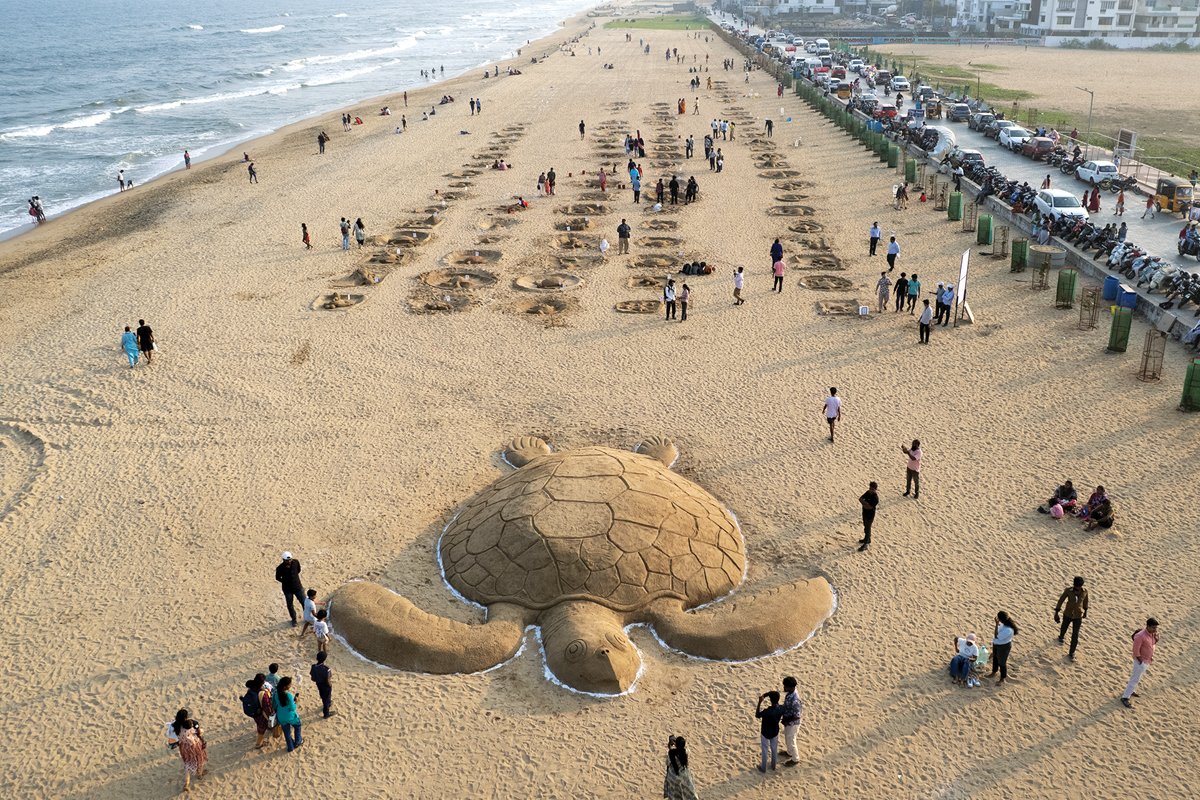
While turtle walks and hatchling releases have become more visible in recent years, much of the actual conservation work happens through night patrols, awareness initiatives, and monitoring the increasingly fragile relationship between the city and its coastline.
How conservation, awareness, and coexistence found space along Chennai’s coastline
Chennai’s Beaches Still Welcome Turtles
Many Chennai residents are surprised to learn that Olive Ridley turtles continue to nest along urban stretches including Marina, Besant Nagar, and Thiruvanmiyur.
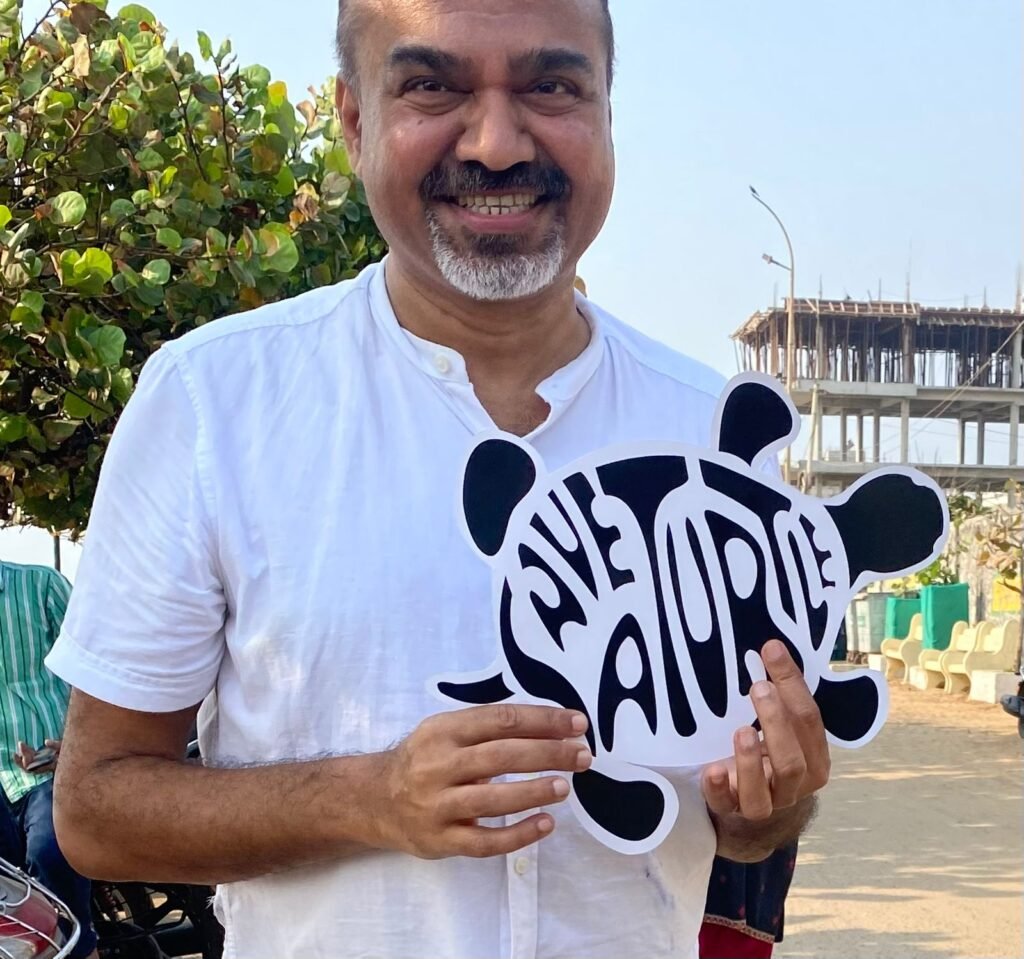
“When I started asking people around me, most of them had no idea turtles came to Chennai’s beaches or that hatchlings were born along our coast. That lack of awareness became the starting point,” says Hafiz Khan, Founder of Save A Turtle.

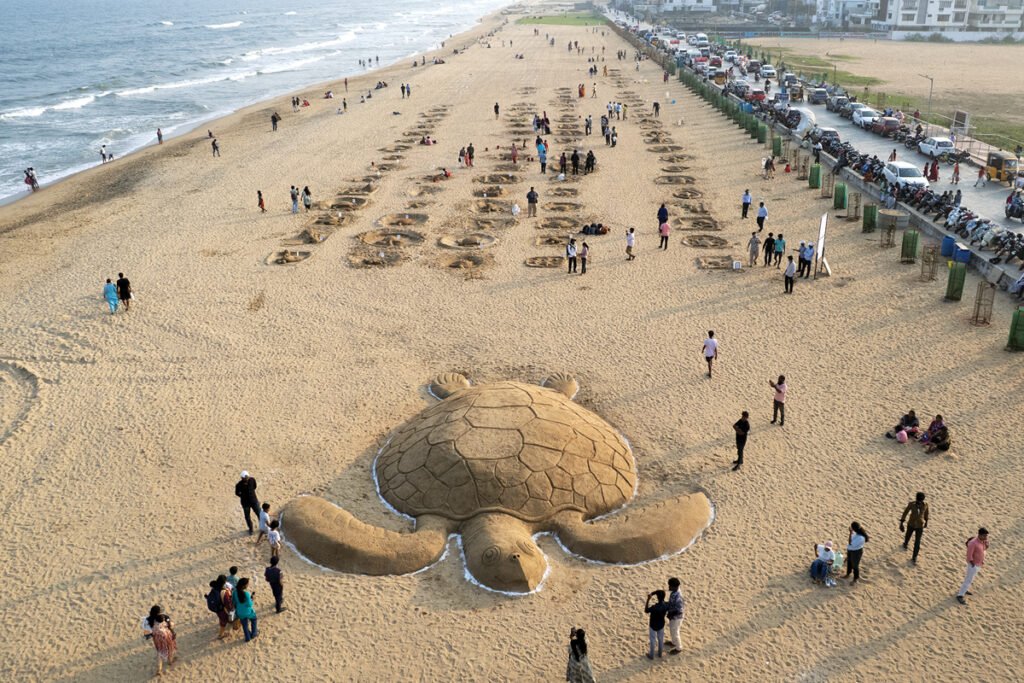
That gap in awareness eventually led to a wider range of outreach activities beyond patrols, including storytelling sessions, art competitions, sand sculpting events, school outreach programmes, and student ambassador initiatives focused on marine ecosystems and coastal conservation.
What Happens During A Night Patrol
The public often associates conservation with hatchling releases, but the actual patrol process is far more immersive.
The walks usually begin around 11:30 at night and continue until early morning, with Forest Department officials briefing participants about endangered species, marine ecosystems, artificial lighting, pollution, and coastal development.
“Walking near the waves at midnight changes your relationship with the coastline,” Hafiz says.
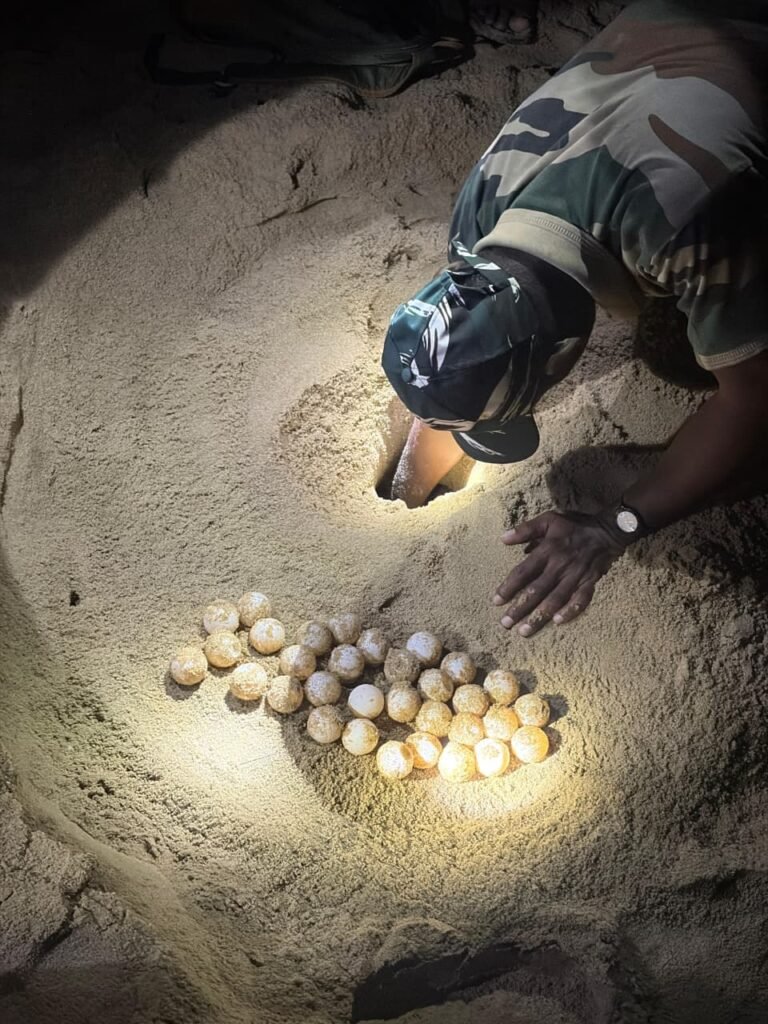
Participants learn how to identify turtle crawls—the tracks left behind by nesting turtles—and, on some nights, may even witness a mother turtle laying eggs directly on the shore.
“It becomes a very emotional experience because people are no longer seeing conservation through documentaries or television. They are seeing it unfold directly on Chennai’s beaches.”
Most Threats Begin With Human Activity
According to Hafiz, almost every major threat turtles face today is linked to human behaviour in some way.
Illegal trawler fishing during breeding season remains one of the biggest dangers. Turtles repeatedly surface to breathe and often become trapped in fishing nets, leading to drowning. Others suffer injuries from boat engines and propellers.
“We’ve seen turtles with damaged shells or severed flippers,” he says.
Abandoned fishing nets, often called ghost nets, create another major hazard by entangling turtles and restricting movement in the water.
Artificial lighting along the coast creates a different kind of danger. Hatchlings naturally move toward moonlight reflecting on the ocean, but excessive urban lighting often disorients them.
“Instead of moving toward the ocean, they move inland toward illuminated areas and die from dehydration,” Hafiz explains.
A Coastline That Has Changed Over Time
Conservation volunteers say Chennai’s coastline once looked very different during nesting seasons.
“Earlier, parts of the coastline were darker, quieter, and less crowded. During nesting season, even beach lights used to be switched off in some areas,” Hafiz recalls.
Today, coastal expansion has transformed many of these spaces. Illuminated stretches extend much further across the shoreline, beaches are more crowded, and trash levels have increased significantly.
“More people are exploring remote coastal stretches, but often without responsibility,” he says.
He believes the larger issue lies in how urban growth increasingly prioritises convenience over coexistence.
“That shift has had a direct impact on the coastline and the species that depend on it.”
Conservation Beyond Social Media
For Hafiz and other volunteers, conservation is not simply about attending a turtle walk or photographing hatchlings.
The larger goal is behavioural change: reducing littering, being conscious about coastal encroachments, and understanding that the shoreline is a shared ecosystem rather than a purely recreational space.
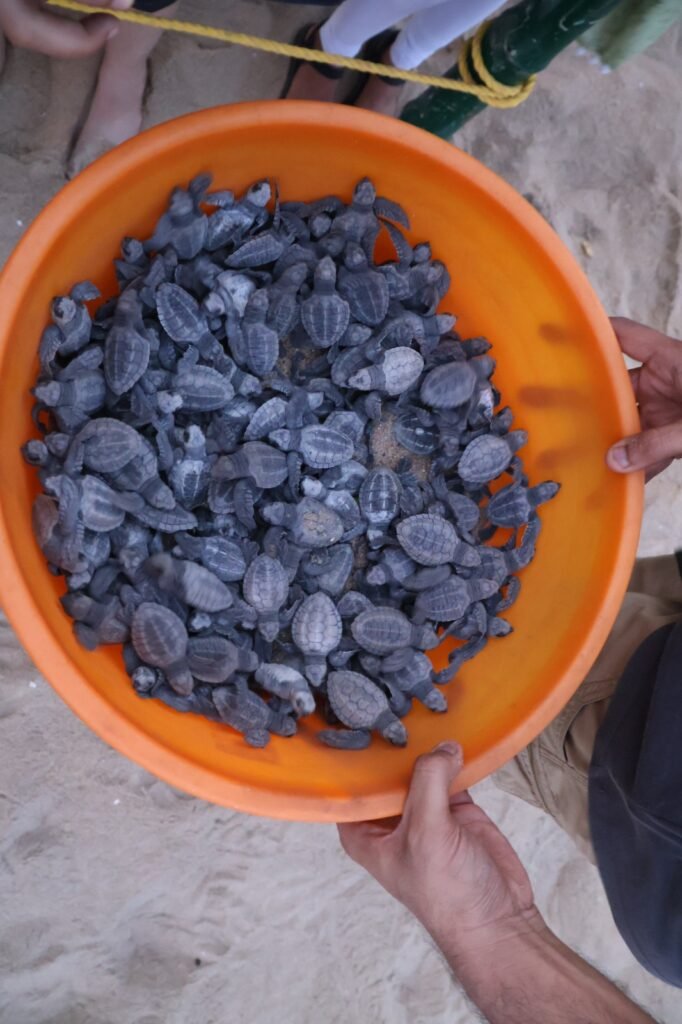
“The entire purpose of night walks and hatchling releases is to help people form an emotional connection with the turtles and the ocean,” Hafiz says.
He believes that connection is what ultimately changes perspectives.
“When someone sees a tiny hatchling facing massive waves and still moving toward the sea, something changes internally.”
And perhaps that is what makes these midnight walks along Chennai’s beaches so powerful; they remind people that the coastline belongs to more than just humans.
The perspectives and conservation insights shared in this feature are based on conversations with Hafiz Khan and the Save A Turtle initiative.

India’s First In-Train Magazine 001
India’s first in-train magazine offers travelers engaging content like travel tips, destination highlights, and entertainment, making the journey more enjoyable and informative.

Follow Us
Popular Categories