The Biggest Game of the Season Gets Bigger
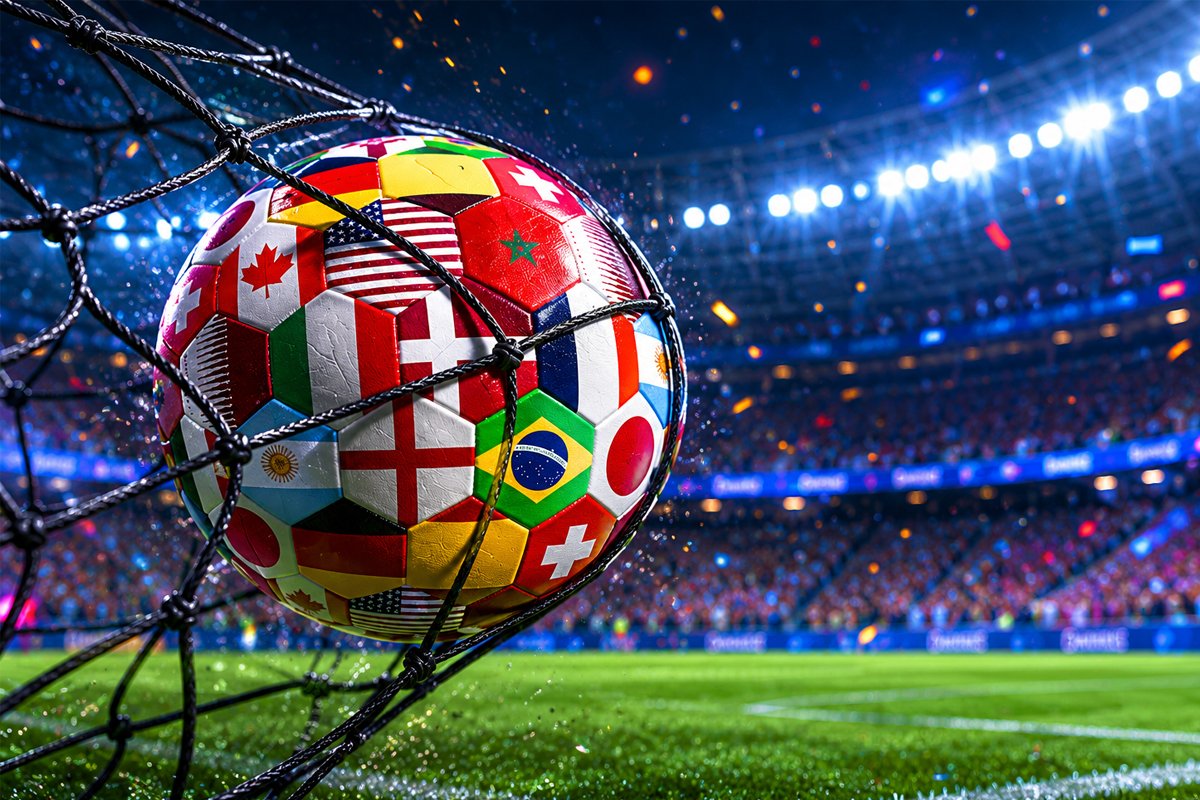
For the first time in World Cup history, football’s biggest tournament stretches across three countries and 48 teams, turning the FIFA World Cup 2026 into a continent-wide experience shaped as much by travel, fan culture, and city atmospheres as by the matches themselves.
The fan cultures, emerging players, and global atmospheres shaping football’s biggest tournament.
More than a tournament, FIFA 2026 is becoming one of the largest sports-travel events ever staged. From beaches in California to historic neighbourhoods in Toronto, and from the streets surrounding Estadio Azteca to football bars in New York, supporters will find themselves experiencing vastly different versions of football culture across North America.
THE WORLD CUP TRAVEL HOTSPOTS
MEXICO CITY
Around Estadio Azteca, football culture extends far beyond the stadium itself. Areas along Avenida Acoxpa and Tlalpan are already being discussed among travelling supporters for their sports bars, casual cantinas, restaurants, and match-day atmosphere.
During the tournament, these streets are expected to transform into major gathering spaces where fans watch matches, celebrate victories, debate line-ups, and continue the football experience long after the final whistle. For many visitors, the atmosphere around these neighbourhoods may become just as memorable as the matches themselves.
LOS ANGELES
Los Angeles offers one of the most diverse World Cup experiences of any host city.
Areas near LAX are expected to attract supporters looking for easier stadium access, while Culver City and Downtown LA could emerge as hubs for nightlife, restaurants, fan gatherings, and public screenings around Union Station.
Neighbourhoods such as Little Tokyo may appeal to visitors seeking a more walkable and local experience. Meanwhile, Venice, Santa Monica, and Manhattan Beach are likely to combine beach culture with packed sports bars and football crowds throughout the tournament, creating a distinctly Californian version of the World Cup atmosphere.
TORONTO
Toronto’s multicultural identity makes it one of the most intriguing host cities.
Little Italy, Little Portugal, and Greektown are expected to become some of the city’s strongest football gathering spaces during FIFA 2026. Public screenings, cafés, bars, restaurants, and cultural celebrations are likely to spill onto streets and public squares as supporters from around the world come together.
The city’s diverse communities could create one of the most globally representative fan cultures anywhere during the tournament.
NEW YORK / NEW JERSEY
The New York metropolitan region may host some of the tournament’s biggest matches, but football culture extends well beyond the stadiums.
Travellers looking for a deeper connection to the game can explore neighbourhoods such as Astoria and Williamsburg, both known for their international communities and football-following populations.
Popular viewing venues including Banter Bar, Legends, Beija Flor, and Bar Goyana are expected to attract supporters from multiple countries, turning every match into a miniature international gathering.
MIAMI
Few places combine football and nightlife quite like Miami.
South Beach and Ocean Drive are expected to become focal points for visitors seeking beaches, entertainment, restaurants, and football crowds throughout the tournament.
Wynwood offers a more creative and nightlife-driven atmosphere, while Little Havana provides something different: a football culture deeply influenced by Latin America, where the sport forms part of everyday life rather than simply a tournament event.

WHY FIFA 2026 FEELS DIFFERENT
Several factors make this edition unlike any previous World Cup:
• First-ever 48-team FIFA World Cup
• Hosted across three countries: Mexico, Canada, and the United States
• Larger movement of fans across cities and international borders
• Massive fan festivals and public screenings throughout North America
• Growth of sports tourism and football-focused travel
• Multiple cultural experiences within a single tournament
For supporters, attending FIFA 2026 is increasingly becoming about far more than watching matches.
THE RISE OF FOOTBALL TOURISM
Football tourism has grown significantly over the last decade, but FIFA 2026 may represent its biggest stage yet.
Many supporters are already planning multi-city itineraries that combine matches with road trips, stadium tours, neighbourhood exploration, fan festivals, sports bars, and cultural experiences.
For some travellers, the goal is to follow their national team. For others, it is an opportunity to experience football culture across an entire continent.
The result is a tournament where the atmosphere around the matches may matter just as much as the football itself.
THE NEW STORIES OF FIFA 2026
The expansion to 48 teams opens the door to fresh narratives rarely seen at previous World Cups.
Nations such as Cape Verde, Curaçao, Jordan, and Uzbekistan have the opportunity to make their first-ever FIFA World Cup appearances, bringing new supporters, cultures, and footballing identities onto the global stage.
Iraq returns to the tournament for the first time since 1986, while DR Congo and Haiti could make long-awaited returns after more than five decades away from football’s biggest event.
The expanded format ensures that the tournament will feature more debut stories, more underdog journeys, and more opportunities for new football nations to capture global attention.
EMERGING PLAYERS
Lamine Yamal, Spain
Already regarded as one of football’s brightest young talents, Yamal combines dribbling ability, creativity, and composure beyond his years.
Pau Cubarsí, Spain
One of Spain’s most promising centre-backs, Cubarsí has rapidly established himself through intelligent positioning and maturity on the ball.
Kendry Páez, Ecuador
Among South America’s most exciting young attacking players, Páez enters the tournament with enormous expectations and growing international attention.
Franco Mastantuono, Argentina
The Argentine teenager has quickly risen onto the World Cup radar through technical quality, maturity, and performances that suggest a significant future ahead.
MORE THAN FOOTBALL
Long before the final itself, FIFA 2026 is already shaping into something larger than football alone.
Across beaches, neighbourhoods, sports bars, airports, public squares, fan festivals, and stadiums, the tournament offers travellers a chance to experience football culture across an entire continent.
With fan cultures spread across North America, new football nations entering the spotlight, and supporters travelling between three countries, FIFA 2026 is shaping into one of the most globally layered tournaments the sport has ever seen.
The World Cup has always been about more than ninety minutes. In 2026, that may be truer than ever.
This feature is based on publicly available tournament and travel information at the time of publishing.

India’s First In-Train Magazine 001
India’s first in-train magazine offers travelers engaging content like travel tips, destination highlights, and entertainment, making the journey more enjoyable and informative.

Follow Us
Popular Categories