The hill where rome reached Telangana
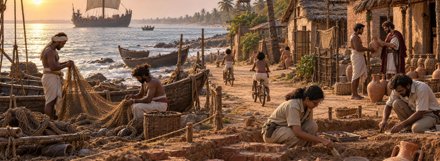
On a quiet hill in Suryapet district, the remains of an ancient Buddhist centre reveal a world connected by faith, trade and journeys that stretched far beyond the Deccan.
At first glance, Phanigiri is simply a rocky hill rising above the plains of Telangana. Its name comes from phani, meaning serpent, and giri, meaning hill — a reference to the snake-hood shape of the landscape. But beneath this quiet setting lies one of Telangana’s most significant early historic Buddhist monastic complexes, positioned along ancient trade routes that once carried pilgrims, merchants and ideas across the Deccan. Excavations across several seasons have revealed a Mahastupa, chaityagrihas, viharas, votive stupas, a 24-pillared congregation hall, inscriptions, sculptures and hundreds of antiquities.
Among the most surprising discoveries was a Roman gold coin issued during the reign of Emperor Nerva, who ruled from 96 to 98 CE. The coin, weighing about 7.3 grams, was found during excavations at Phanigiri. Its presence does not suggest Romans lived here, but it does point to something equally fascinating: this inland Buddhist centre was linked, directly or indirectly, to commercial networks that reached the Roman world. Coins belonging to the Satavahanas, Ikshvakus, Western Kshatrapas and other regional powers reinforce the picture of a monastery existing within an active economic landscape rather than in isolation.
That connection became even more vivid in March 2024, when archaeologists uncovered an earthen pot containing 3,730 lead coins inside a monastic cell. The coins, associated with the Ikshvaku period, carry an elephant symbol on one side and a Ujjain symbol on the other. The scale of the hoard offers a rare glimpse into the economic life surrounding Phanigiri and reminds us that monasteries were not only spiritual centres; they often stood close to routes through which people, goods and wealth moved.
Phanigiri’s story has travelled well beyond Telangana. Sculptural works from the site, including limestone Buddhist panels, were displayed at the Metropolitan Museum of Art in New York in 2023 and at the National Museum in Seoul in 2024. That is perhaps the most striking contrast of all: artefacts from a hill many Indians have never heard of have already introduced international audiences to its past.
Today, Phanigiri remains quiet above the surrounding plains. Yet its ruins tell a different story — of monks, travellers, traders and kingdoms moving through a connected world long before modern borders or highways existed.
Long before roads connected Telangana to the world, routes of faith and trade already did.

India’s First In-Train Magazine 001
India’s first in-train magazine offers travelers engaging content like travel tips, destination highlights, and entertainment, making the journey more enjoyable and informative.

Follow Us
Popular Categories