The Great Diamond Disruption
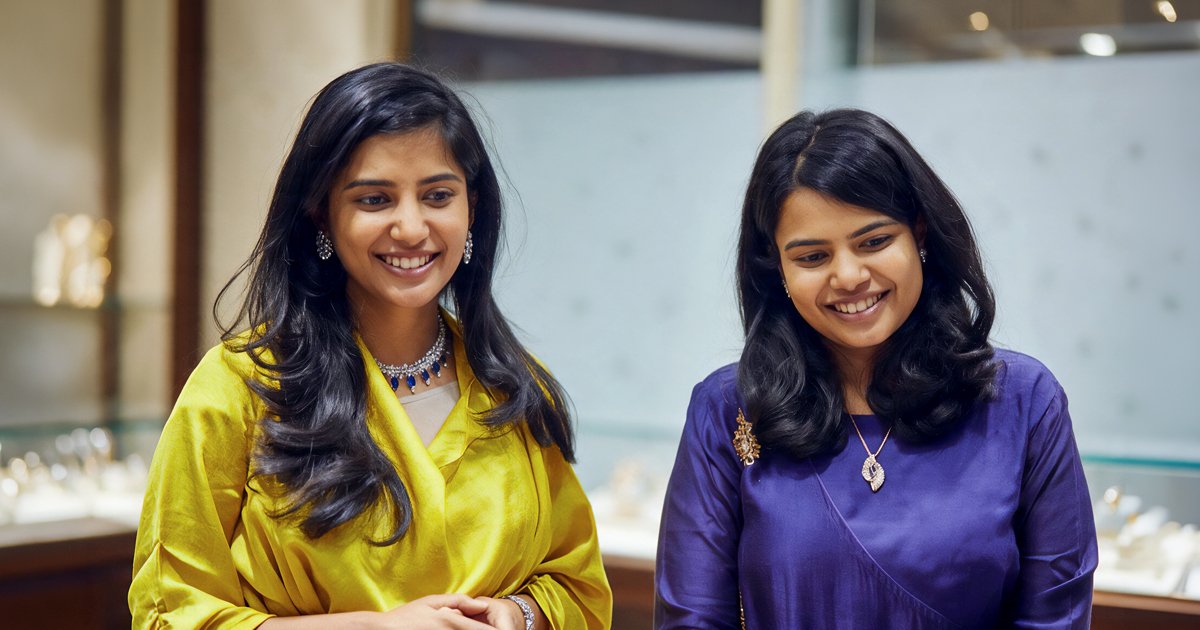
The founders making solitaires bigger, bolder and far more attainable
Diamonds have always been familiar to Indian households—kept in bank lockers, worn at weddings and passed down as inheritance. Owning one often meant belonging to a small circle.
For Wondr Diamonds founders Aishwarya Guptha and Soundarya Guptha, that idea had to evolve.
Wondr grew from a third-generation diamond family, backed by decades of manufacturing knowledge, craftsmanship and an understanding of what makes a diamond valuable. Moving from mined to lab-grown diamonds became a generational shift—a way to carry an inherited legacy forward for a new buyer.
“We believed India had immense potential for lab-grown diamonds,” Soundarya says. “We understood that a large section of people wanted affordable luxury.”
Their confidence began with the product itself. Lab-grown diamonds have the same essential physical, chemical and optical characteristics as mined diamonds. For the founders, they offered the brilliance customers associated with diamonds while making larger stones and contemporary designs accessible to more people.
The founders describe Wondr as one of India’s early lab-grown diamond brands. Its approach is guided by a quality-first philosophy built on consistency, transparency and delivering what has been promised.
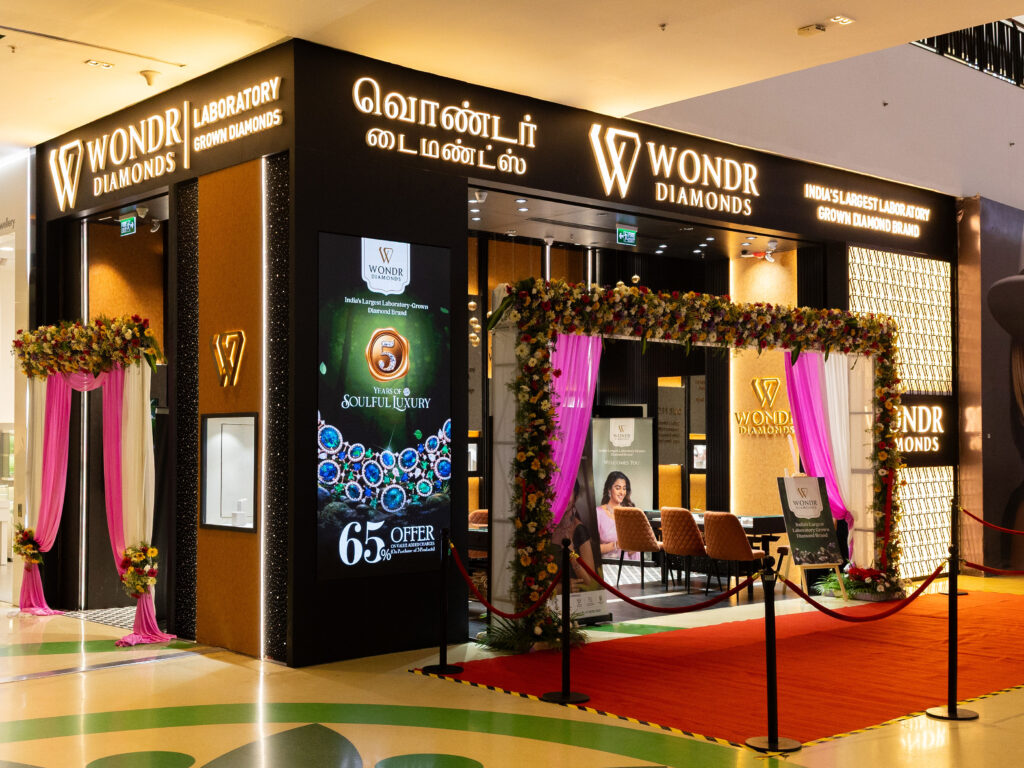
The Craft Behind the Shine
Some parts of the family business did not need reinvention. The most important was its emphasis on quality.
“One lesson has never changed: quality comes first,” the founders say.
Wondr goes beyond jewellery retail, with its own design studio and manufacturing facility. Every collection is developed in-house with close attention to proportion, finish and wearability. This gives the brand greater control over the journey from an initial idea to the final piece.
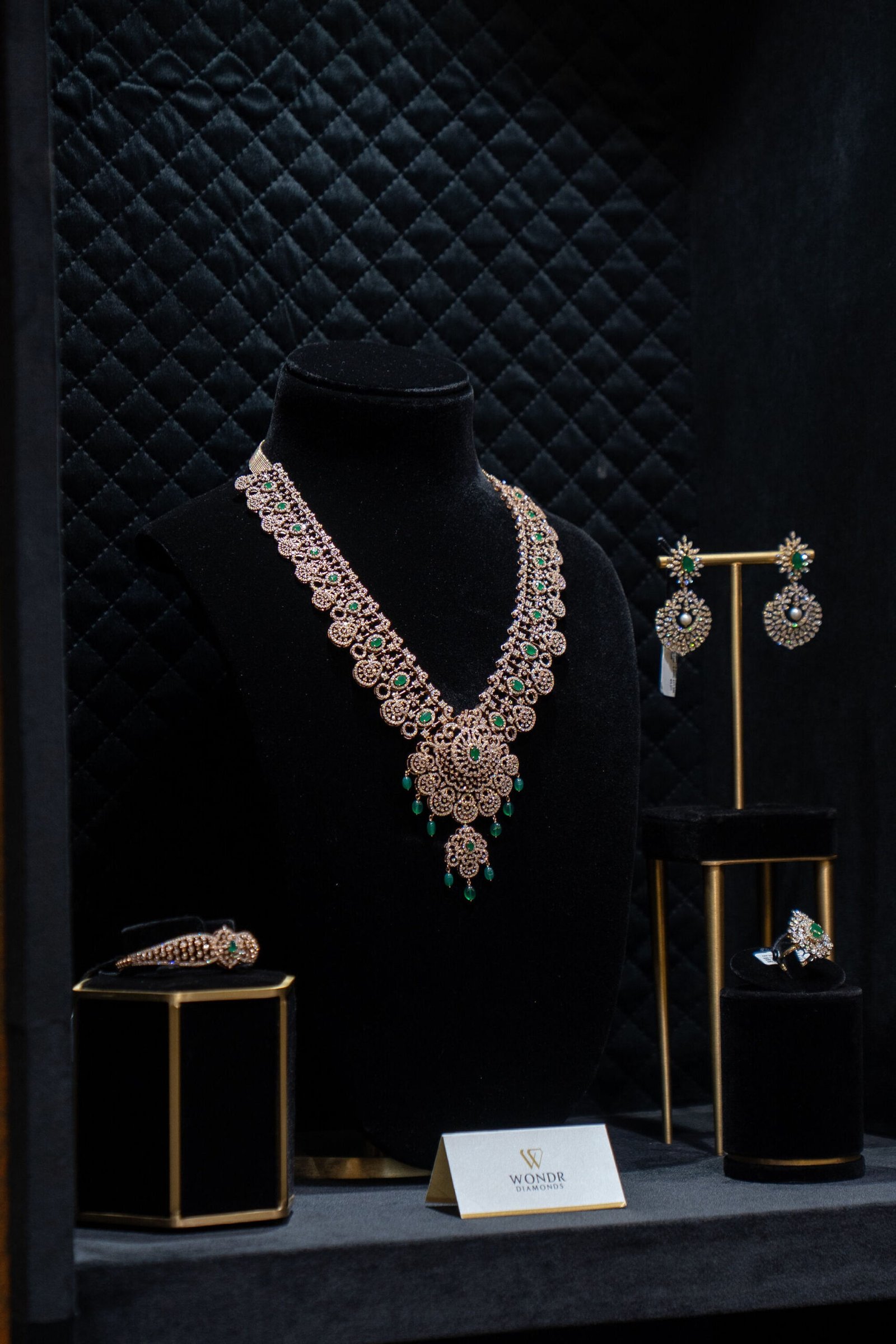
The intention is to create jewellery that feels like art without becoming disconnected from everyday life. Technology supports precision and consistency, while the design process keeps the pieces contemporary and personal.
For Aishwarya, creativity begins long before the sketch. Travel, architecture, fashion, colour, nature and the people she encounters all influence how she reads beauty.
As a designer, she is constantly observing her surroundings, often without consciously looking for inspiration. A building can influence proportion. A landscape may suggest a colour combination. Fashion can reveal how jewellery needs to move with the person wearing it.
The world, in that sense, becomes her moodboard.
The New Language of Diamonds
The biggest shift Wondr is seeing is not simply in what people buy, but why they buy it.
Milestones and gifting remain important, but more customers are walking into stores because they love a design, want something for themselves or are looking for jewellery that reflects their identity.
“What excites me most is how open today’s customers are to experimenting with jewellery,” Soundarya says. “They’re choosing bolder designs, larger solitaires and styles that truly reflect their personalities.”
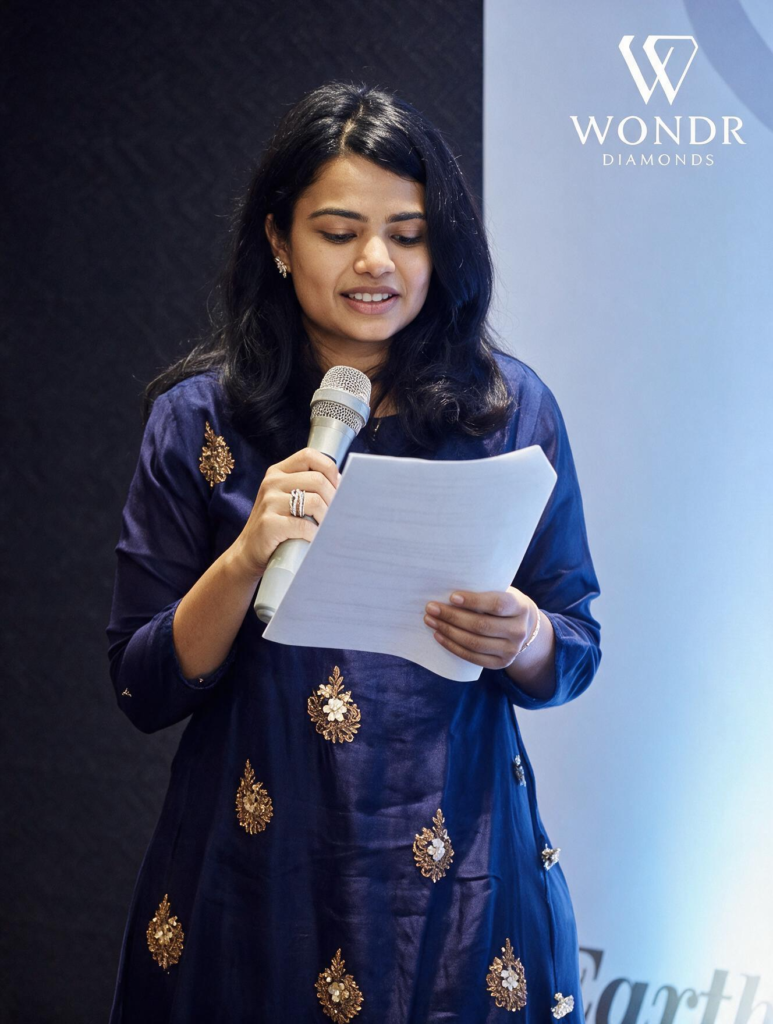
Younger buyers, in particular, are making independent choices instead of following established conventions. They want pieces that move easily between settings—from work to dinner and from daily wear to festive dressing.
Larger solitaires are part of that story, along with stackable rings, delicate bracelets, versatile earrings and pieces that can become part of someone’s everyday identity.
This change has created greater room for experimentation. Rather than waiting for a wedding, anniversary or another formal occasion, customers are treating diamonds as a form of self-expression.
For Wondr, that means balancing visual impact with wearability. A piece may be bold, but it must still feel natural to the person wearing it.
An Informed Customer
The conversation around lab-grown diamonds has also changed.
A few years ago, brands had to begin by explaining the category itself. Today, several customers enter stores already asking for laboratory-grown diamonds. They arrive with questions about cut, certification, pricing, value and the difference between available options.
The founders see that curiosity as encouraging. An informed customer asks more precise questions and is better equipped to understand what they are purchasing.
Customer education, once one of the category’s largest challenges, has improved significantly. Competition, however, is increasing as more businesses enter the growing market.
For Wondr, the response is to remain consistent rather than chase every shift. Quality, clear communication and reliable policies become especially important when buyers are comparing several brands offering similar products.
Luxury That Listens
Jewellery remains a deeply emotional purchase, whether someone is celebrating a milestone, choosing a gift or buying something simply because it brings joy.
That is why the founders believe human guidance still matters—even when discovery increasingly begins online.
At Wondr, the aim is for customers to feel welcomed, heard and guided rather than pressured. The conversation begins with understanding their preferences and continues through explaining the diamond, design, certification and relevant policies.
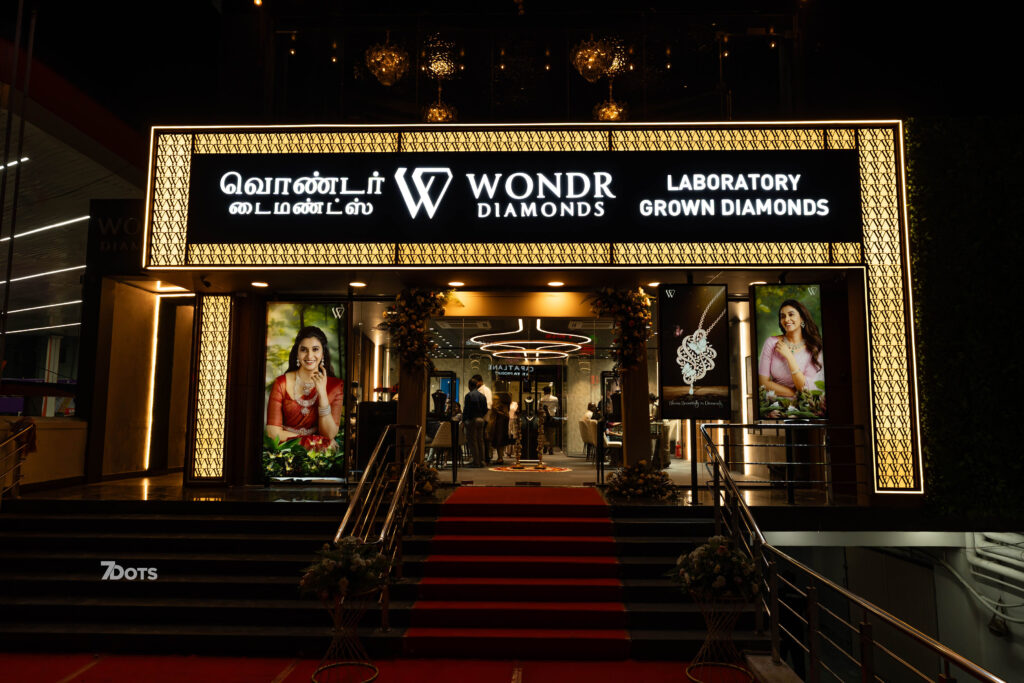
Customers are encouraged to ask questions, compare options and choose at their own pace. The objective is not only to complete a sale, but to leave the buyer feeling informed and confident about the decision.
“Customers may remember the jewellery they bought,” the founders say, “but they’ll also remember how we made them feel.”
Building with Patience
Aishwarya and Soundarya’s business lessons carry the same simplicity as their approach to customers: believe in the vision, stay consistent, remain adaptable and listen carefully.
Markets evolve, customer preferences change and a business must continue learning alongside them. For the founders, a product that genuinely delivers quality and value will eventually be recognised—but trust cannot be rushed.
“Building trust takes patience,” they say. “But it’s one of the strongest foundations a business can have.”
Their advice to aspiring women entrepreneurs is equally direct: expectations and challenges will always exist, but they should not become reasons to abandon a strong idea. Consistency matters more than having every answer at the beginning, and learning is part of building.
That philosophy appears in Aishwarya’s reading choices too. She recommends James Clear’s Atomic Habits for its central idea that small, repeated changes can create remarkable long-term results.
At work, Soundarya’s description of Aishwarya is considerably shorter: “Boss Lady.”
Filling Diamond Dreams
The future of lab-grown jewellery, as the founders see it, will be shaped by customers becoming more expressive and experimental.
Greater awareness is already changing the category. Buyers understand that they can explore larger solitaires, bolder settings and more individual designs at prices that open up new possibilities.
The opportunity for Wondr is not simply to sell more diamonds, but to respond to how luxury itself is changing. For a new generation, luxury is increasingly personal, informed and connected to choice rather than convention.
Asked to define Wondr in a sentence, Aishwarya returns to the emotion that began the journey.

“At Wondr Diamonds,” she says, “we fill the diamond dreams of many women.”

India’s First In-Train Magazine 001
India’s first in-train magazine offers travelers engaging content like travel tips, destination highlights, and entertainment, making the journey more enjoyable and informative.

Follow Us
Popular Categories