The Film That Never Took Off, The Actor Who Did
CINEMA & BEYOND | IN CONVERSATION
The untold year behind the biggest comeback in Kannada cinema right now.
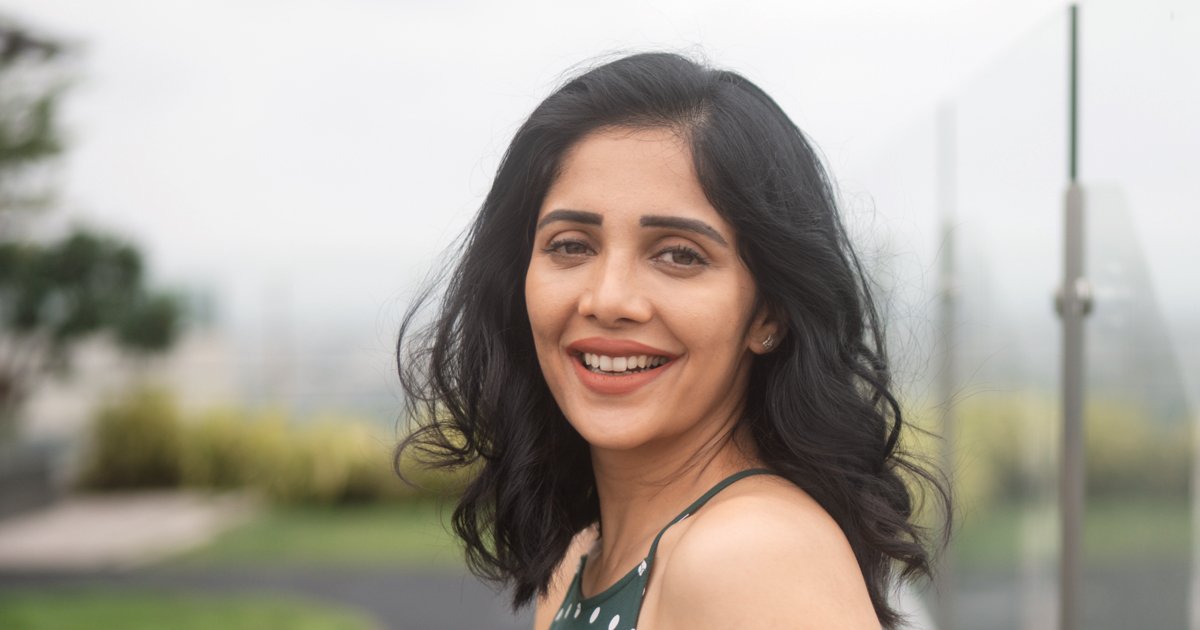
Milana Nagaraj’s most revealing chapter may be the one missing from her filmography.
Audiences know her as a Kannada actor, producer and co-writer, from Nam Duniya Nam Style and Brindavana to the much-loved Love Mocktail films. But between the visible credits sits Fly, a travel-and-adventure film that took nearly a year and a half of her life and never released.
From the outside, the resulting gap looked like a break. For Milana, it was work, waiting and lost momentum.
“I actually didn’t take a break,” she says. “There was a long gap between my films, but I was actually shooting.”
The work simply never reached the audience.
The Waiting Years
For an actor, an unreleased film does not disappear neatly. The months spent preparing and shooting remain real, but there is no public evidence of that effort. No performance enters the conversation. No new work follows from it.
“As actors, you always need that momentum,” Milana says. “Your films have to come out, your work has to come out.”
Fly became a setback not because she had stopped working, but because audiences could not see that she was working. Nearly 18 months had been invested in a project that could not carry her career forward.
During this uncertain period, Milana and actor-filmmaker Darling Krishna began discussing the possibility of creating something themselves. Both were navigating similar circumstances, and waiting indefinitely for the right opportunity no longer seemed like the only option.
That conversation eventually became Love Mocktail.
The film brought Milana back into public attention, but its significance went beyond visibility. It gave her a way to return through a story she had helped create rather than a role she had simply been offered.
From Swim Lanes to Storylines
Long before cinema, Milana’s life in Hassan revolved around two places: school and the swimming pool.
“I was a hardcore sports person,” she says. She trained twice daily, in the mornings and evenings, and spent her summer holidays attending swimming camps in Bengaluru. Discipline, movement and routine shaped her childhood before performance entered it.
That sporting instinct remains, although her relationship with fitness has become more flexible. When schedules are demanding, Milana chooses rest instead of forcing herself through a workout.
“As much as you work out, you also need rest,” she says.
When time permits, she combines strength training, yoga and occasional swimming. Fitness is no longer about following an unbroken routine; it is about understanding what her body needs between work, travel and motherhood.
After school came a degree in computer science engineering. Milana knew she did not want to pursue an IT career, but she had no fixed alternative waiting.
A pageant presented itself, and she entered without knowing what might follow.
“I just blindly decided to do it,” she says.
Miss Karnataka, modelling and a photoshoot helped her pictures circulate among people casting for films. Offers followed quickly, taking her into Nam Duniya Nam Style and Brindavana before she had fully understood the industry she was entering.
“I blindly came in. I wasn’t prepared for any of it, and I hardly knew anything about cinema,” she says. “It happened too quickly.”
Confidence in front of the camera was never the problem. She could take on scenes and dialogue without fear. What the early years taught her was the importance of arriving prepared. Confidence may help an actor enter the frame, but preparation determines what she can do once she is there.
Writing by Performing
By the time Love Mocktail happened, Milana was no longer waiting to be cast. She and Krishna were building something together from the ground up.
Although she received a formal co-writer credit later, Milana says she had been part of the writing process from the first film. All three instalments were developed collaboratively.
The method was instinctive rather than literary.
“Neither of us are writers. We don’t write like writers, and I think that worked for us because it was more relatable to people,” she says.
They began with a simple test: both of them had to enjoy the scene. As actors, they would perform each scene and character between themselves before taking the material to the set. If the exchange felt emotionally convincing when spoken aloud, it stayed.
“We would first act it with ourselves and then go on set,” she explains.
They relied on judgement, common sense and intuition rather than approaching the screenplay through rigid theory. The first film connected with audiences, so they continued trusting the process.
Writing also changed how Milana looked at the world beyond cinema. Travel, for instance, became more than a break. New places could offer perspectives, behaviours and situations that would never emerge from remaining within the same familiar routine.
“You get to see new things from a writer’s perspective as well,” she says.
Actor First
Producing and writing may have expanded Milana’s understanding of filmmaking, but they have not changed the order in which she sees herself.
“As an actor, I will always put myself as an actor first,” she says.
Her personal bucket list begins with good roles, interesting characters and strong scripts. She does not want to decide in advance that she must play one particular type of person. Acting, as she understands it, depends partly on fortune: the right script must reach the right performer at the right moment.
“You can’t prepare your mind for anything specific as actors,” she says. “When it comes to you, you accept it.”
Production is a separate responsibility, involving decisions that extend far beyond performance. Writing gives her another way into a story. Yet acting remains the centre around which everything else moves.
What She Watches
When she has time away from work, Milana listens to podcasts, watches series and attempts to return to books. Reading is what she would prefer, but sitting undisturbed with a toddler at home is difficult.
Films remain her most consistent choice. Watching them is both recreation and research: a way to understand what stories are working, what she personally responds to and how cinema is changing elsewhere.
The accessibility of world cinema has widened that process. Stories from across countries and industries are now available without leaving home, allowing actors and writers to develop a broader sense of form, performance and audience taste.
Motherhood in Motion
Motherhood has changed how Milana travels more completely than any film schedule.
“Everything has changed,” she says. She and Krishna have already taken their daughter, Pari, to four or five countries, but each stage of infancy has brought different practical demands.
Travelling with a baby who has not started crawling or walking can be relatively manageable. Breastfeeding also reduces the amount of preparation required. Travelling with a toddler is another experience entirely.
“They are running around, and they have a sleep schedule and eating schedule,” she says. “You have to always accommodate yourself like that.”
A restful holiday at a resort can work. Exploring a new city or attempting an adventurous itinerary is more difficult because every day must be organised around the child.
It is an honest distinction, far removed from polished images of effortless family travel. Sometimes, Milana admits, the logistics make her wonder whether she should travel at all.
Still, the desire remains. Over time, the pace and form of the journey simply have to change.
Returning to Theatres
Ask Milana where in Karnataka she would set a future production, and she moves away from landscape altogether. What concerns her more is whether audiences are still developing the habit of going to cinemas.
“I only want to see people coming to theatres in more numbers,” she says.
From a filmmaker’s perspective, the responsibility is collective. Kannada cinema needs a steady succession of films made with conviction—stories audiences genuinely want to watch, released without long gaps between successes.
One good film may bring people back temporarily. Consistent good films make theatre-going a habit again.
“Whatever we do, we should do with conviction and make sure that people come to theatres,” she says.
It is a practical concern rather than a romantic one. Producing a film is not only about completing a personal vision; it is also about sustaining the ecosystem in which that film must survive.
Taking Off Again
Milana’s journey carries both sides of cinema: the warmth of being remembered by audiences and the weight of everything that happens before applause.
The waiting, the unreleased work and the rebuilding of momentum have all shaped the actor she is today. So have the swimming lanes of her childhood, the career she entered unprepared, the scenes she acted out before writing them and the daughter around whom life is now reorganised.
Perhaps that is the real story. Milana lived through the years audiences could not see, but she also learnt how to return from them.Fly never reached the screen. The work paused in public view, but the actor in her kept moving.

India’s First In-Train Magazine 001
India’s first in-train magazine offers travelers engaging content like travel tips, destination highlights, and entertainment, making the journey more enjoyable and informative.

Follow Us
Popular Categories