Rewriting the Playbook
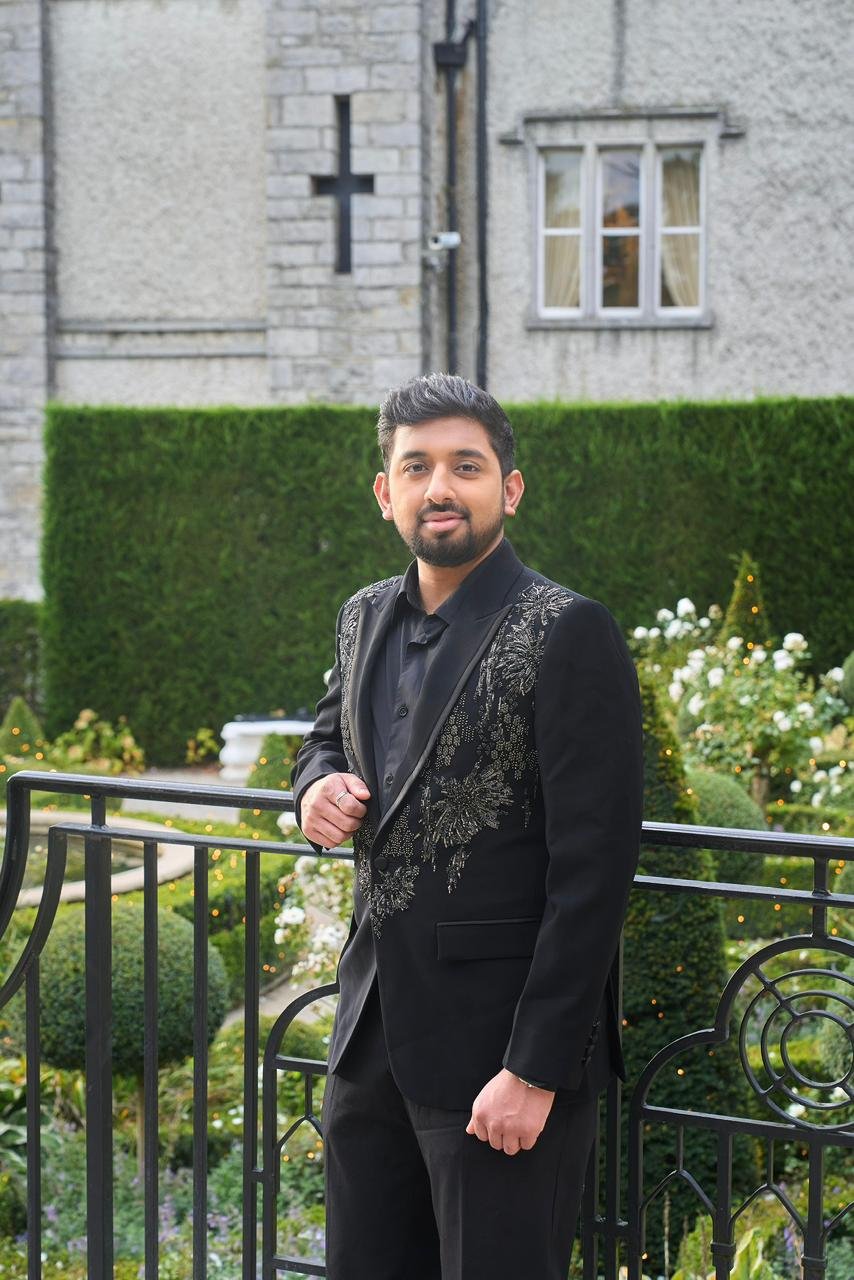
AVR Siddhanth on family business, changing customers, and preparing a century-old jewellery house for its next era.
There is a particular kind of pressure that comes not from failure but from inheritance. AVR Swarna Mahal Jewellers was built across four generations before Siddhanth ever walked into a boardroom. What started as a single showroom in Salem nearly a century ago is today a twenty-showroom group anchored across the Kongu belt, with a Chennai flagship in the works and a centennial decade closing in.
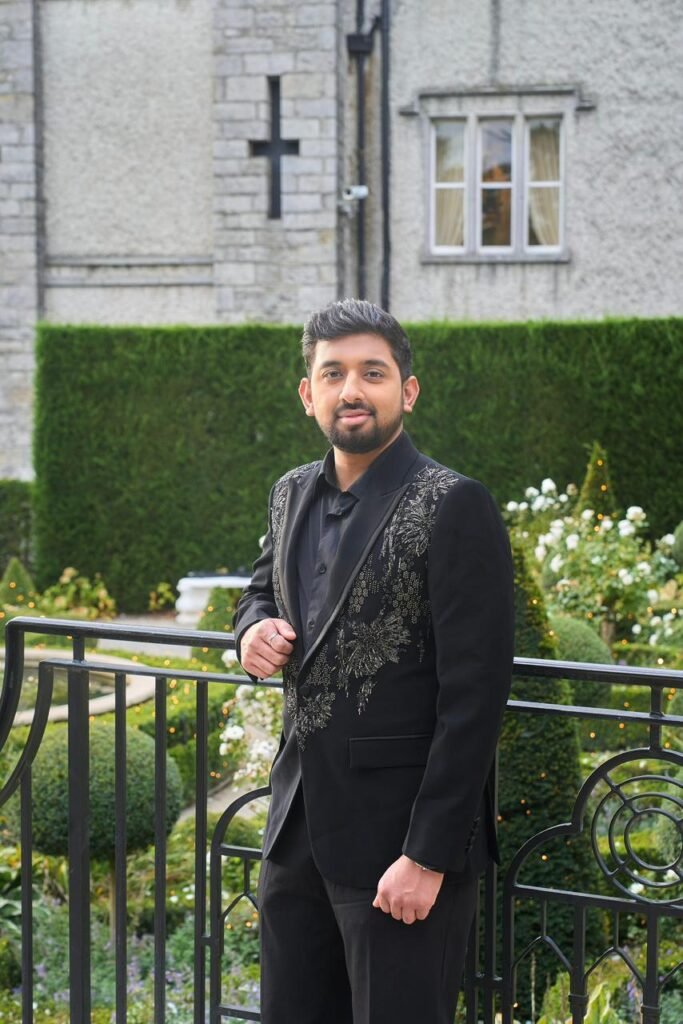
Siddhanth grew up inside that guarantee, and across cities. Salem, Chennai, Bengaluru, then London, then California. He came back with a sharper sense of what AVR could become. “The day I stopped trying to be the fifth version of the same man, and started asking what the next hundred years needs, the identity took care of itself.”
In Salem, he says, people knew AVR long before they knew him. The family name entered the room carrying a kind of trust he had not personally earned, built through four generations of relationships, craftsmanship, and presence. Early on, the instinct was to protect it by becoming a careful custodian and changing as little as possible. But, as Siddhanth puts it, “custodianship and leadership are not the same thing.”
The legacy had given him trust, but not relevance with people his own age. That, he says, had to be earned from zero. Honouring what came before did not mean repeating it exactly; it meant being willing to do the things previous generations had never needed to do.
REWRITING THE PLAYBOOK
That thinking has taken shape through two bets the family had never made before. The first is Evaglow, AVR’s lab-grown diamond line, created for a generation that wants diamonds to wear, not store. It launched to six hundred customers on day one.
“They do different emotional jobs,” Siddhanth says. “One is about everyday self-expression, the other about legacy and milestones. My job is to be honest about what each one is and let the customer choose.”
The second is Vendi, a lighter, more expressive line for people buying for themselves, beyond occasion and obligation. Together, they reflect Siddhanth’s vision of AVR as a house of brands—distinct in identity, united by a century of trust. “Focus through multiplicity, not despite it.”
For Siddhanth, this is not diversification for its own sake. It reflects the fact that a customer’s relationship with jewellery is rarely one-dimensional. There is the heirloom diamond intended to be passed down, the everyday piece worn to work, and the lighter purchase made simply because it feels right in the moment. Asking one brand to be all of those things, he believes, is how it loses its edge.
Evaglow, Vendi, and future lines are therefore designed to remain specific about who they are for, while AVR continues as the house behind them—the source of trust and the values they all draw from. Lab-grown diamonds, in his view, are not a challenge to natural diamonds or gold, but an expansion of the market. They offer design-led diamonds at a price that lets a younger customer live in them rather than lock them away.
“A natural diamond and gold carry a cultural weight with permanence, heirloom, the idea that you’re holding something the earth took a billion years to make,” he says. “Lab-grown doesn’t fully replicate that, and may never need to.”
GOLD FOR A NEW GENERATION
This is where his thinking gets sharp. As someone from the same generation, Siddhanth believes the industry is still speaking to younger customers as though they share the priorities of their parents.
“They don’t,” he says. Previous generations often bought gold as security. Today’s customers think about design, self-expression, and whether a piece reflects who they are. “We talk about purity and rate when they want to talk about meaning and design. They’re simply waiting to be spoken to properly.”
That does not mean gold has lost its emotional place in Indian life. Weddings, first salaries, and the birth of a child will continue to bring gold into the picture, Siddhanth says. What has changed is its role as a default. For younger buyers, gold now sits alongside mutual funds, travel, and experiences. It has to justify itself as a choice rather than assume itself as a duty.
“The relationship is moving from obligation to intention,” he explains. “And frankly, a customer who buys you on purpose is a better customer than one who buys you out of habit. We just have to be worth choosing.”
On transparency, he is blunter still. “‘This is how we’ve always done it’ is the most expensive sentence in a family business. Faith is a beautiful thing in a temple. It’s a poor substitute for clarity in a transaction.”
For him, transparency goes beyond a promise of good service. It should mean that every customer understands what they are paying for: metal, making, stone, and margin, without needing someone in the trade to decode the bill. “When you stop being afraid of an informed customer, you stop competing on confusion and start competing on quality, design and service,” he says.

That principle also shapes how a heritage brand must earn trust now. A century of reputation is no longer the final word for a buyer who may check a stranger’s review, a reel, or a customer comment before entering a showroom. Heritage, Siddhanth believes, has to be made legible in the places where the customer already lives: through honest content, clear pricing, uncurated reviews, and a willingness to show the work rather than simply assert the name.
THE WORLD OUTSIDE THE SHOWROOM
London has stayed with Siddhanth for reasons that are both personal and professional. It is the city where he saw heritage and modernity coexist without apology: a two-hundred-year-old house on the same street as something entirely new, both feeling at home. “Living there, I started to see what we could be: old without being dated, modern without being rootless,” he says.
California offered something different: permission to experiment, and a comfort with building things that do not yet exist. Together, the two places shaped the way he thinks about the future of AVR—not as a choice between tradition and change, but as a way of letting both belong in the same frame.
Travel has also become his most useful thinking time. On long drives between showrooms, he turns to conversations with founders and designers, looking for the practical wisdom behind how they built something and what it cost them. On flights, he reads about design, brands, and family businesses that have lasted. Some of his better decisions, he says, have been made at thirty thousand feet, when nobody can reach him.
THE DIRECTOR’S NOTEBOOK
A City That Shaped His Thinking
London: Where centuries-old buildings and modern design coexist effortlessly.
His Weekend Pick
Pondicherry: French Quarter at dawn, a café in White Town, and no itinerary. “Let the place set the pace.”
Still On The Bucket List
Kyoto: A destination built around craftsmanship, tradition, and attention to detail.
What He Listens To On The Road
Conversations with founders and designers, and stories of family businesses that stood the test of time.
A CENTURY FORWARD
What makes Siddhanth’s position unique is the challenge he faces with no family precedent to follow. “My father never had to convince his generation that gold mattered,” he says. “I’m the first one who has to make that argument out loud. The playbook ends with me.”
He sees that less as a burden than a responsibility. “Every generation that mattered in this business did one thing nobody before them had done. That’s the real family tradition.”
His ambition is simple: “I hope they say the brand started listening. And I hope they say we kept it human.”
The test, he believes, is not simply whether the business grows, but whether customers continue to feel looked after when they walk through the door. In a crowded market where rates are broadly similar, the deciding question is often quieter: will this place be honest with me, and will it still be here in fifty years?
That is where heritage matters—not as nostalgia, but as a guarantee. Yet the reassurance of a house that is not going anywhere must be matched by design, ease, and a buying experience that respects the life a customer actually lives. “Trust you can feel, and taste you’re not embarrassed by,” he says. “Most places offer one or the other. We’re trying very hard to be where both meet.”
For Siddhanth, the hope is that AVR enters its next century by listening more closely: to a generation with every possible option, to customers who want clarity as much as craft, and to the human exchanges that have always mattered beneath every transaction. Scale, he says, is secondary. If the business grows tenfold but loses that sense of care, then it will have missed the only part that truly matters.

India’s First In-Train Magazine 001
India’s first in-train magazine offers travelers engaging content like travel tips, destination highlights, and entertainment, making the journey more enjoyable and informative.

Follow Us
Popular Categories