Winging it, winning it

Kishen Das on storytelling, staying curious, and finding success without a master plan.
CINEMA & BEYOND | IN CONVERSATION
Kishen Das will be the first to tell you he never had a plan. No five-year roadmap, no carefully curated dream board. What he had was a school stage at Chettinad Vidyashram, a mother who made television magic look ordinary, and a growing realisation that the only thing he ever wanted to do was make someone smile.
Everything else—the Visual Communication degree at Loyola, the digital media internship, the podcasts, the Netflix shows, and the films—was just scaffolding. “My dream was to influence someone to smile,” he says. “Every path after that were just pillars that helped me build a career out of it.”
It sounds simple. It wasn’t. Theatre was the real turning point. “It made me realise that I loved entertaining people and seeing people laugh. I feel like that defined my path.” From there, Kishen built his career by showing up, figuring it out, and staying curious about the people around him.
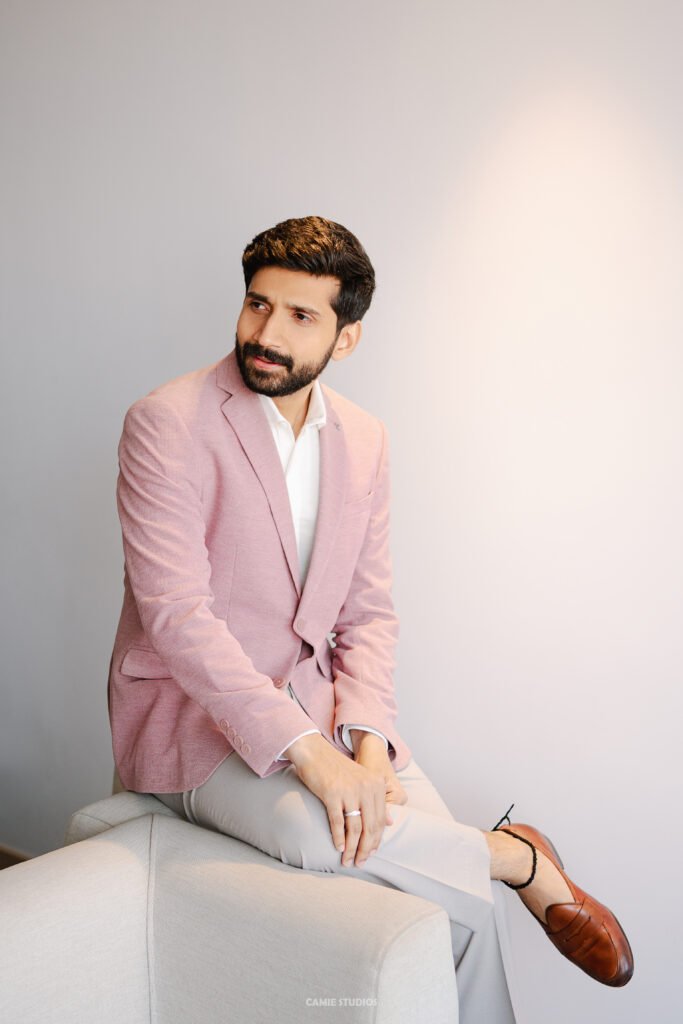
Long before he had a language for that ambition, he had an early view of the work behind the screen. As the son of Brinda Das, he spent parts of his childhood doing homework on sets when he could not be left at home alone. He was not around for every shoot, he says, but it gave him an insight into how content was made—and, more importantly, how unpredictable the industry could be. By the time he was old enough to seriously think about his own future, his mother had stepped away from films, leaving him free to discover the path on his own terms.
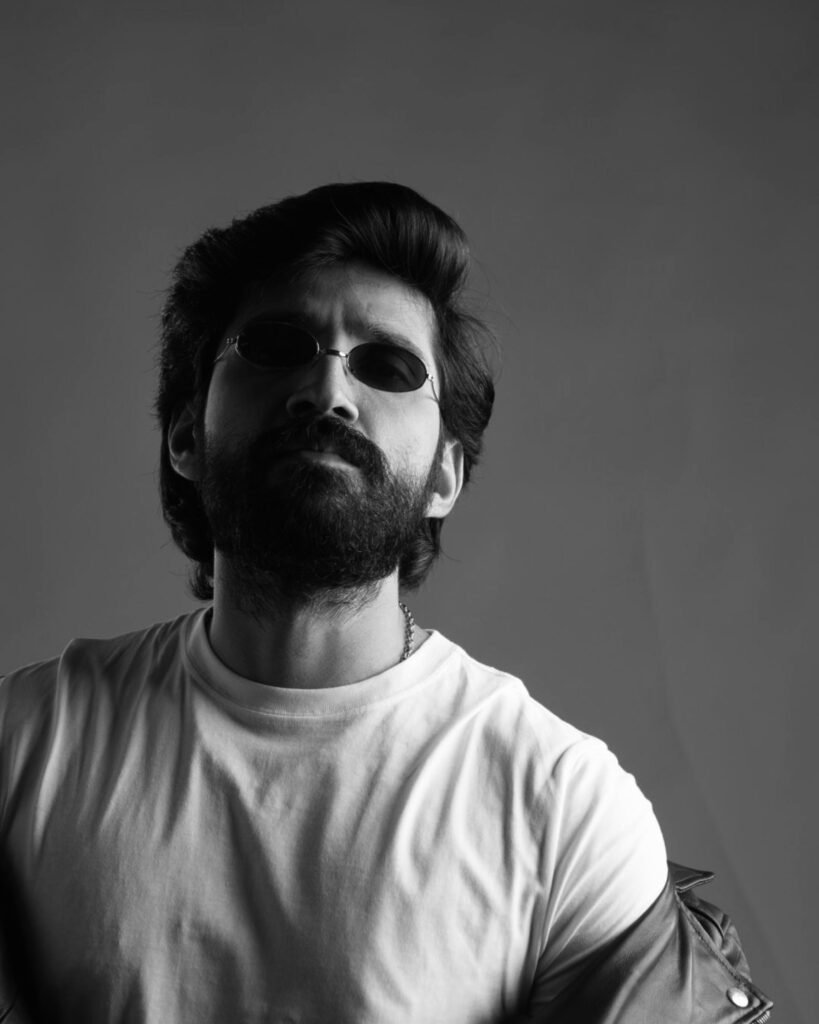
TABLE FOR TWO
That curiosity became his currency. As the host of Menu Please, he sat across dining tables with everyone from Vijay Sethupathi to the Russo Brothers, discovering that the most memorable moments often happened off camera. “Almost every interaction taught me so much. But more than anything else, it was the conversations I had before and after the interactions that stayed with me,” he shares.
There were lessons in the conversations themselves too. Vijay Sethupathi’s thoughts on contributing to a film beyond performance showed him how an actor can bring a personal sensibility to a character. Anil Kapoor’s groundedness and self-awareness left a different impression: that it is possible to work across every kind of film and role while retaining the hunger to learn and perform. Conversations with figures such as the Russo Brothers and Bear Grylls carried another reminder. “The greats are always the most humble,” he says.
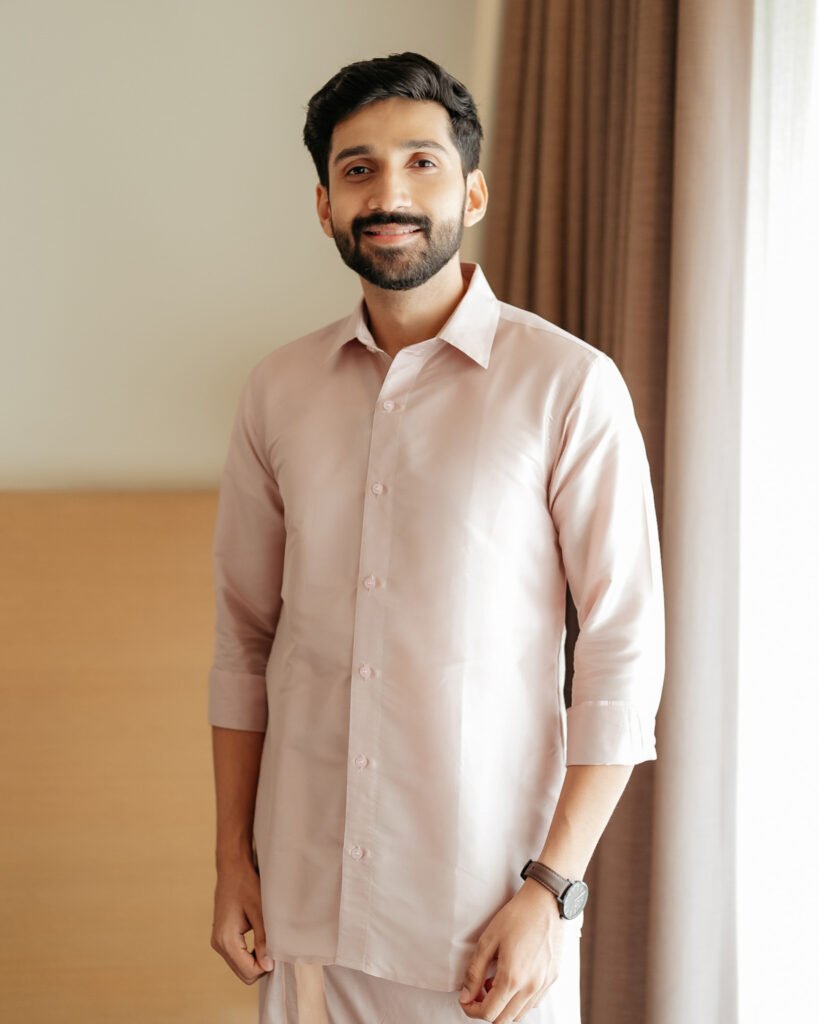
The same instinct runs through Timepass With Das, his personal podcast that began with a Facebook message during lockdown. A junior he’d once judged harshly at a school event reached out to tell him how much it had affected her. The guilt, he says, broke something open in him. He started the podcast that same night as a way of revisiting, reflecting, and doing better. The audience grew because the honesty did too.
For Kishen, that evening marked a turning point beyond the format of the show. Until then, he says, he had not thought enough about perception, kindness, or empathy, often moving through life according to what felt convenient. The message from his junior forced him to confront the impact of his own behaviour. “I genuinely believe that I stopped being a ‘Boy’ that night and learnt that life is more than making jokes at other people’s expense,” he reflects. What followed was a commitment to examine his memories, acknowledge where he had fallen short, and work on becoming better one day at a time.
His hosting style has been shaped by people whose energy he admires, including RJ Balaji, Danish Sait, and Zach Galifianakis. He also credits Sumedh, the director he worked with on his Netflix shows, for helping him find confidence in the early days. “Sumedh had a great sense of how to build conversations, what to tap into and how to package it,” he shares. “He was a huge figure in me realising my content style for interactions that I hosted!”
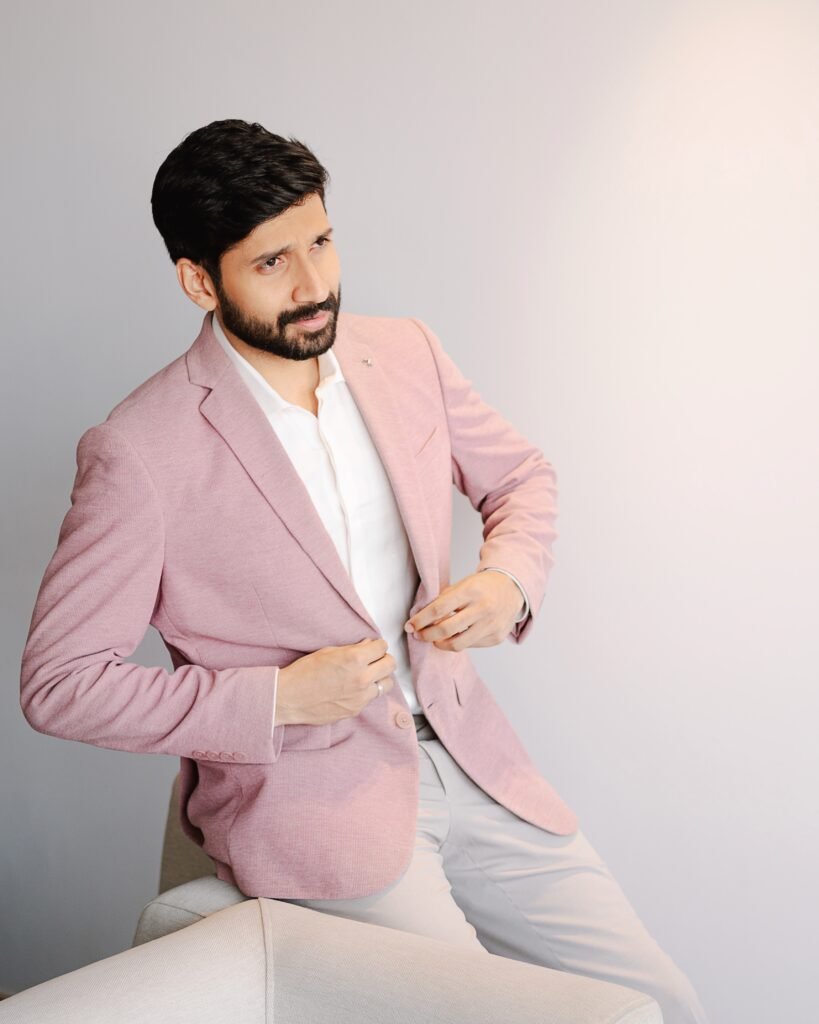
On screen, he’s found his footing just as thoughtfully. Mudhal Nee Mudivum Nee was the dream debut. Aaromaley, which he co-wrote and which became his first theatrical hit, was the credibility chapter. “I will always make films that make you smile or think about something you maybe haven’t,” he says. Slice-of-life, warm, funny, human—exactly what you’d expect from someone whose creative compass points toward joy.
Mudhal Nee Mudivum Nee came with its share of hardships, but it was the project that made him believe he might truly be cut out for cinema. Aaromaley brought a different kind of validation. Co-writing it allowed him to understand diverse sensibilities, while its theatrical success gave him the credibility he had been yearning for.
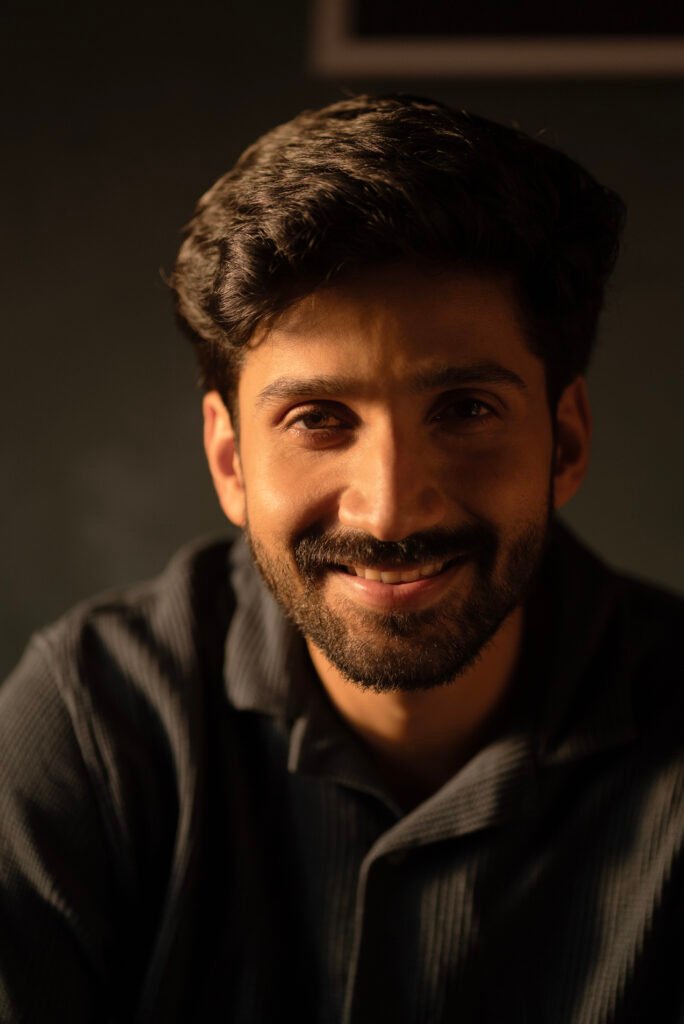
Writing, he says, naturally takes him towards stories of everyday warmth: fun, family-centred films with a slice-of-life spirit. As an actor, however, he wants to explore every possible register. “Today it’s a little more difficult because I have to look at the market and the monies of it before I experiment,” he says, adding with characteristic ease that he remains open to “calculative risks.”
OFF SCRIPT
Away from work, Kishen is drawn to movement without an agenda. He loves playing badminton, taking long walks, going for runs, and, increasingly, taking small trips with no particular purpose attached. “Physical movement keeps me calm and relaxed,” he says.
His travel bag reflects the same mix of practicality and feeling: hand sanitiser for long workdays, AirPods because he cannot imagine a day without music or a podcast, and a photograph of his family. The last one matters especially on anxious days. “I tend to get anxious at times and I panic a lot so it helps calm me down,” he shares.
HOME, SUCCESS & EVERYTHING IN BETWEEN
He carries Chennai everywhere he goes, a city he describes not through its landmarks but through its people. “If you visit Chennai, the places will entertain you but our warmth, not the weather, will surprise you,” Kishen says. Kozhikode, his family’s hometown, holds a different kind of pull. “It’s like visiting your grandparents,” he notes. “You’re pampered and taken care of in a new environment that is also home of sorts. That is Kozhikode for me, it’s my safe space.”
For all Chennai’s religious spaces, theatres, beaches, street shopping, food, and cultural life, he returns to that same point: the people are what make the city memorable. Kozhikode, meanwhile, is where the culture of his family becomes especially present—and where the idea of being looked after takes on a deeply comforting meaning.
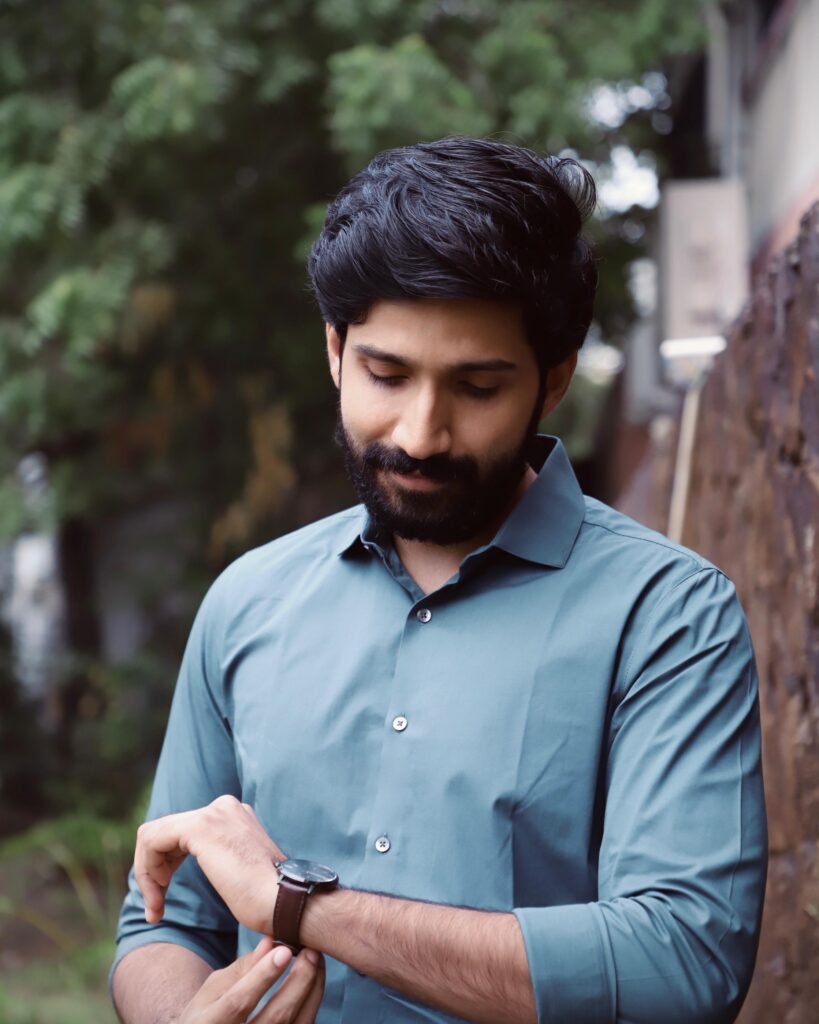
Travel has become a newer pleasure for him. He did not travel much earlier in life, but time and interest have opened up the world in recent years. The US has long been on his list, while another dream is to visit the UK and watch his favourite football club, Arsenal, play a match.
His food memories are equally rooted in place and people. Kerala is where, he says, he lets go of diets and food-related inhibitions: a family-filled toddy shop in Kochi at ten in the morning, seafood and duck curry, the familiar pull of Paragon in Kozhikode, and decades of family meals at Moonrakers in Mahabalipuram. Each meal has become a marker of a journey rather than simply a recommendation.
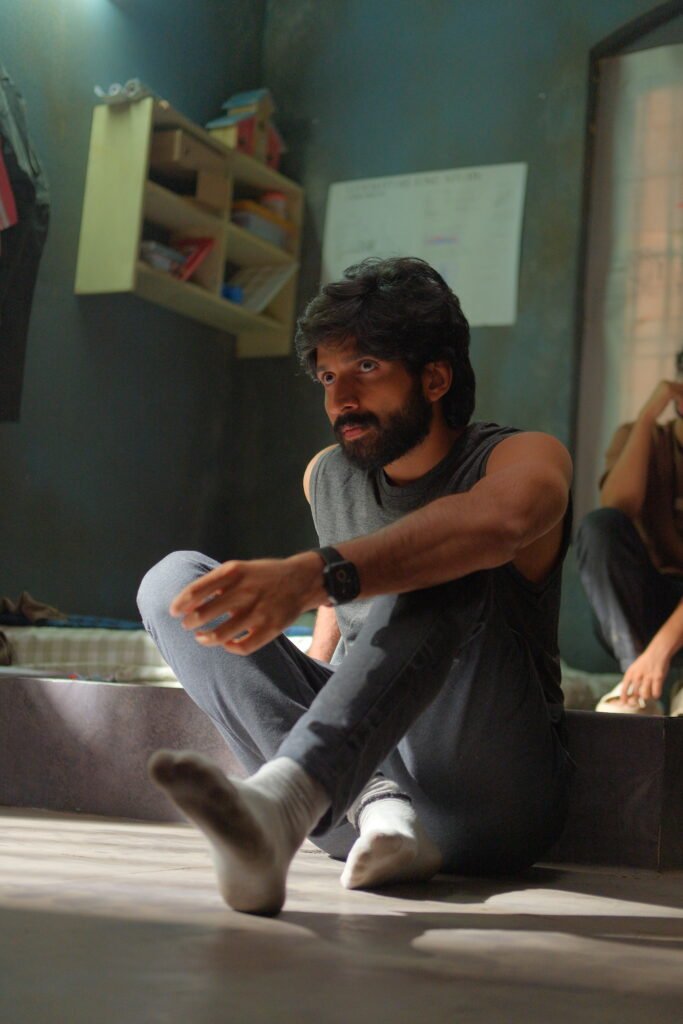
As for success? He’s not chasing it. “I don’t think success is a destination. Success is just a part of various phases of life. No one has a combined definition of success, we add meaning to it based on our life and goals,” he says. For Kishen Das, the meaning has always been the same. Make them smile. The rest follows.
He has felt successful at specific moments—when Aaromaley released, for instance—but he does not see success as a permanent state, especially in an industry where each new project asks for fresh work and renewed belief. “If success is my focus, I will lose out on my process,” he says. “I will trust my process and believe that success will be a by-product!”
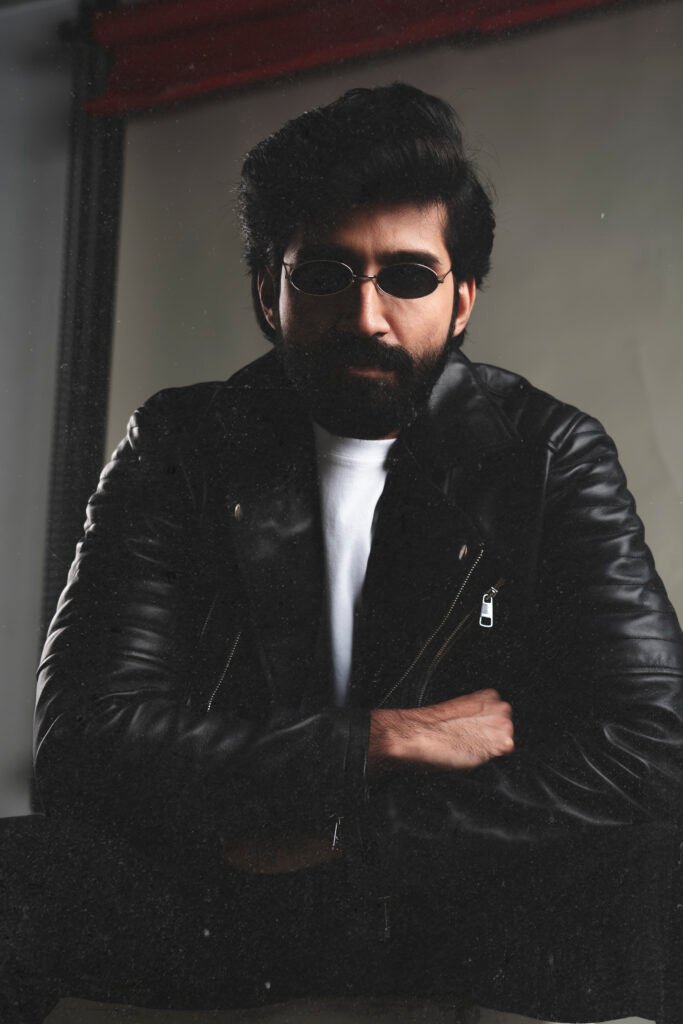

India’s First In-Train Magazine 001
India’s first in-train magazine offers travelers engaging content like travel tips, destination highlights, and entertainment, making the journey more enjoyable and informative.

Follow Us
Popular Categories