On the Mat, Off the Grid

While wellness today often gets reduced to routines and aesthetics online, Anshuka Parwani, Integrated Wellness Expert and Founder of Anshuka Yoga, believes the larger issue modern life is facing is overstimulation.
Anshuka Parwani on the asanas, breathing practices and mindset shifts that make yoga work in real life, this International Yoga Day
“I think people are constantly switched on mentally, emotionally, and digitally,” Anshuka says.
According to her, the pace of modern life has disconnected people from natural rhythms of rest, movement, recovery, and sleep. The result, she says, is visible everywhere — chronic fatigue, poor posture, burnout, anxiety, stiffness, and nervous system dysregulation.
“We are consuming so much more information than we ever have in such little time, but spending very little time connecting with ourselves physically.”
Rather than pushing harder, she believes modern wellness now needs to focus more on regulation and balance.
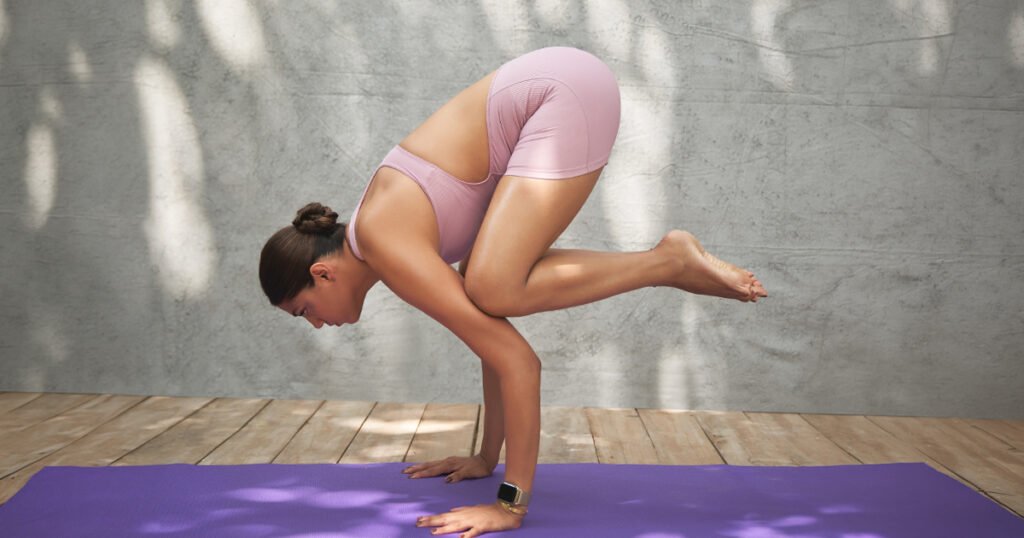
Yoga Means Different Things To Different People
One of the ideas Anshuka repeatedly returns to is that yoga no longer exists within one definition.
“For some people yoga is movement and fitness. For others it’s therapy, recovery, mindfulness, coming back to oneself, emotional grounding.”
Instead of seeing this shift negatively, she believes it reflects how adaptable yoga has become within modern life.
“Ultimately, yoga is the union of mind, body, and soul. It’s awareness. It’s how you breathe, move, think, react, and act.”
Why Adaptability Matters More Than Ever
Anshuka also believes emotional flexibility has become just as important as physical flexibility.
“Life today is constantly changing. We’re navigating uncertainty all the time, stressful environments, and emotional overload every day.”
For her, adaptability is deeply connected to wellbeing because stress rarely stays emotional alone.
“I often say that the body reflects the mind. When we hold on to stress or fear, it manifests physically too.”
She believes learning how to stay grounded through change has become one of the most important modern wellness skills.

The Story Behind FlyFit
Long before FlyFit became associated with aerial yoga and mobility training, it began through personal recovery.
“After my accident years ago, yoga became a huge part of my life and completely changed my understanding of the body.”
That experience shaped the philosophy behind her movement practice.
“I never wanted movement to feel intimidating or restrictive. I wanted it to feel empowering, intelligent, and fun.”
The aerial element, she explains, was designed not only for movement but for spinal decompression, mobility, support, and creating a sense of lightness that traditional workouts often lack.
The Posture Problem Modern Life Created
According to Anshuka, posture and spinal health have quietly become major modern lifestyle concerns.
“We spend hours sitting, looking at screens, traveling, and carrying stress in the body.”
She believes posture is closely connected to emotional state as well.

“The way we hold ourselves physically often reflects how we feel internally.”
Improving mobility, breathing patterns, and posture often creates emotional shifts alongside physical ones, helping people feel lighter, more energized, and more confident.
Yoga Was Never About Performance
Anshuka believes much of the intimidation surrounding yoga comes from the idea that people need to “perform” wellness correctly.
“Yoga was never about performance, competition, or perfection.”
Instead, she describes yoga in its simplest form as awareness — staying with the breath, calming the nervous system, and becoming more present.
“The beauty of yoga is it meets you where you are.”
The Nervous System Connection
One of the lesser-discussed parts of her approach is the relationship between breath and the nervous system.
“Most people breathe shallow and hold tension in their bodies.”
According to her, pranayama helps move the body from a stressed sympathetic state into a calmer parasympathetic state.
In an increasingly overstimulated world, she believes learning how to regulate the nervous system through breathwork may become one of the most essential wellness tools people have access to.
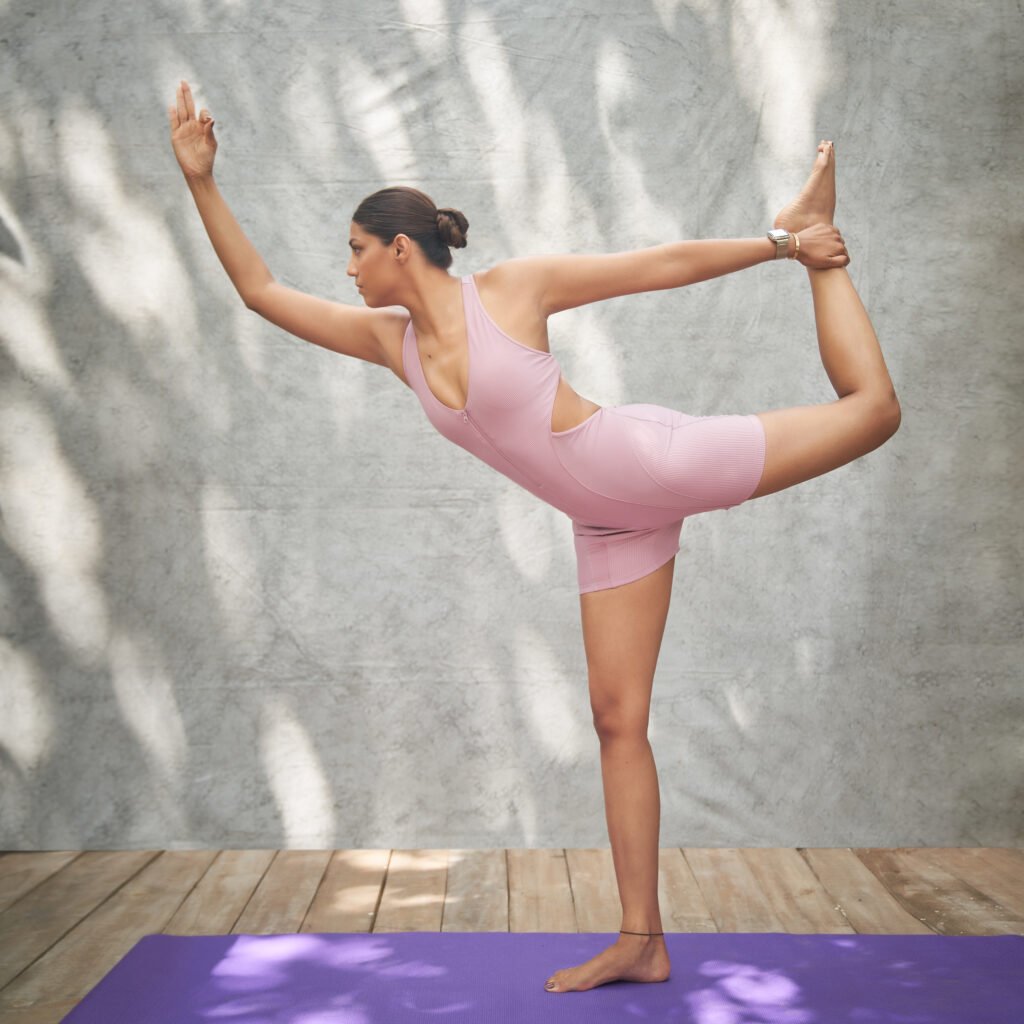
Her Advice For People Who Feel Intimidated By Yoga
Anshuka’s advice is intentionally simple.
“Start small. Start gently.”
She encourages people to explore different teachers, attend drop-in sessions, experiment with online tutorials, and approach yoga without pressure or comparison.
“Yoga is personal. It’s your personal journey, not a competition.”
The wellness insights shared are intended for general awareness purposes only.

India’s First In-Train Magazine 001
India’s first in-train magazine offers travelers engaging content like travel tips, destination highlights, and entertainment, making the journey more enjoyable and informative.

Follow Us
Popular Categories