Alexander Babu: Punchlines and Ragas
It started with a casual question.
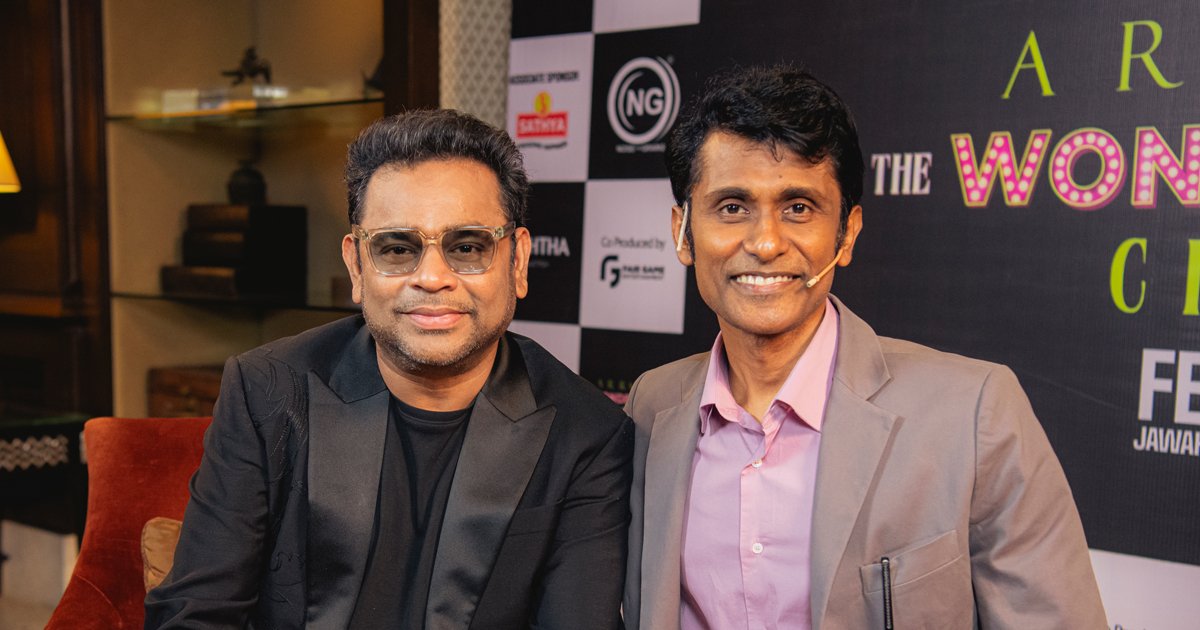
“Are you free on the 14th of February, 2026?”
The person asking was A.R. Rahman. The date happened to be the first death anniversary of Alexander Babu’s father, the man who first put music in his hands.
Alexander Babu on yoga, music, creativity and staying aligned with what matters.
Tamil Nadu’s most recognisable comedian-musician-storyteller resists all labels. Ask him who he really is, and he offers something simpler: a joy spreader.
“Art softens you. It calms you down. Art fills you with joy,” he says.
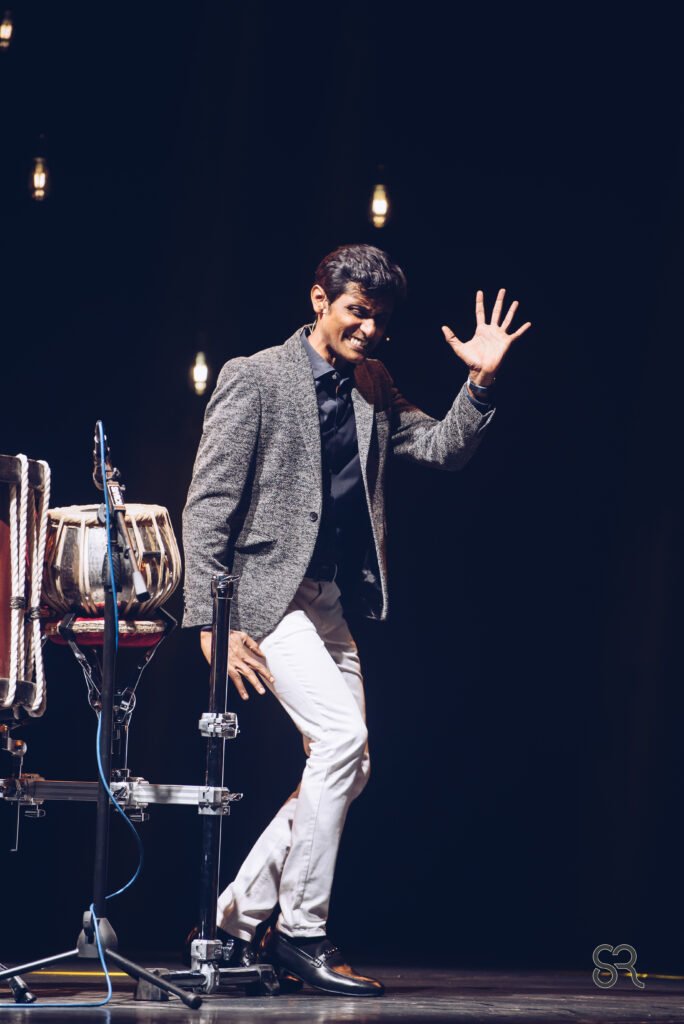
The idea appears repeatedly throughout his thinking. Whether he is talking about comedy, music, yoga, travel or storytelling, the destination is often the same: helping people feel a little lighter than they did before. For Alexander, joy is not an escape from life. It is a way of engaging with it more deeply.
That philosophy was forged slowly. In 2014, he walked away from over a decade in corporate life and into Chennai’s stand-up scene, often being the oldest person in the room. He jokes that he felt like the “most boomer uncle” in a space largely occupied by younger comedians.
For nearly six months, he chased what he thought the audience wanted. There were comedians talking about dating, relationships, nightlife and contemporary urban life. He tried some of that too. Then he stopped.
“I tend to think art, and even business for that matter, shouldn’t be driven by the market,” he reflects.
Instead, he began talking about the songs he loved, his children, school admissions, growing up in Tamil Nadu and the details of everyday life that genuinely interested him. Audiences found him almost immediately.
It reinforced a lesson that continues to guide him today: when you have something compelling to offer, the audience eventually finds its way to you.
TWO LANGUAGES, ONE STAGE
Music, he tells us, became his emotional language before comedy ever did.
“Very much. It’s an emotional language even before comedy.”
Long before he understood the mechanics of humour, he understood the feeling of hearing a beloved song again and again, the thrill of getting on stage to sing even without formal training, and the comfort music offered during different phases of life.
Music, he believes, operates differently from comedy. Humour evolves. Tastes change. Material that felt fresh a few years ago can suddenly feel distant.
“As the age changes, my kids are now in their teenage years, their problems are different, and the kind of jokes you’ll enjoy is different.”
Sometimes he revisits jokes written three or four years ago and no longer feels connected to them.
Music behaves differently.
A song heard hundreds of times can disappear for months and then suddenly return, carrying an entire memory with it.
“Sometimes you’ve heard some song too many times, but after a few months or a couple of years, when you play that song again, the way it hits you… that’s the power of music.”
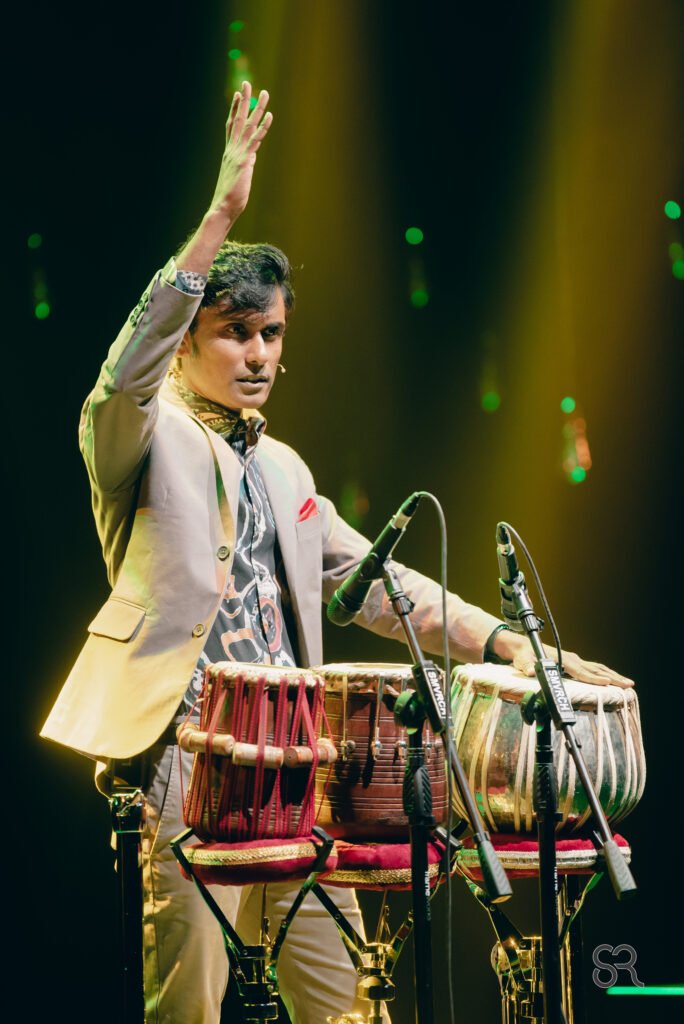
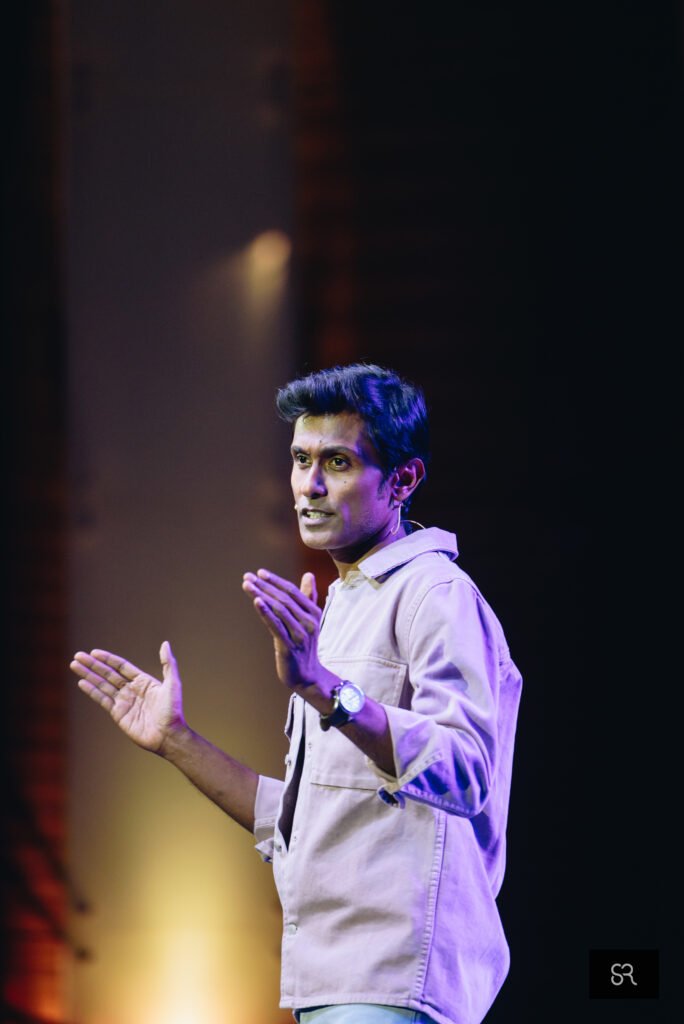
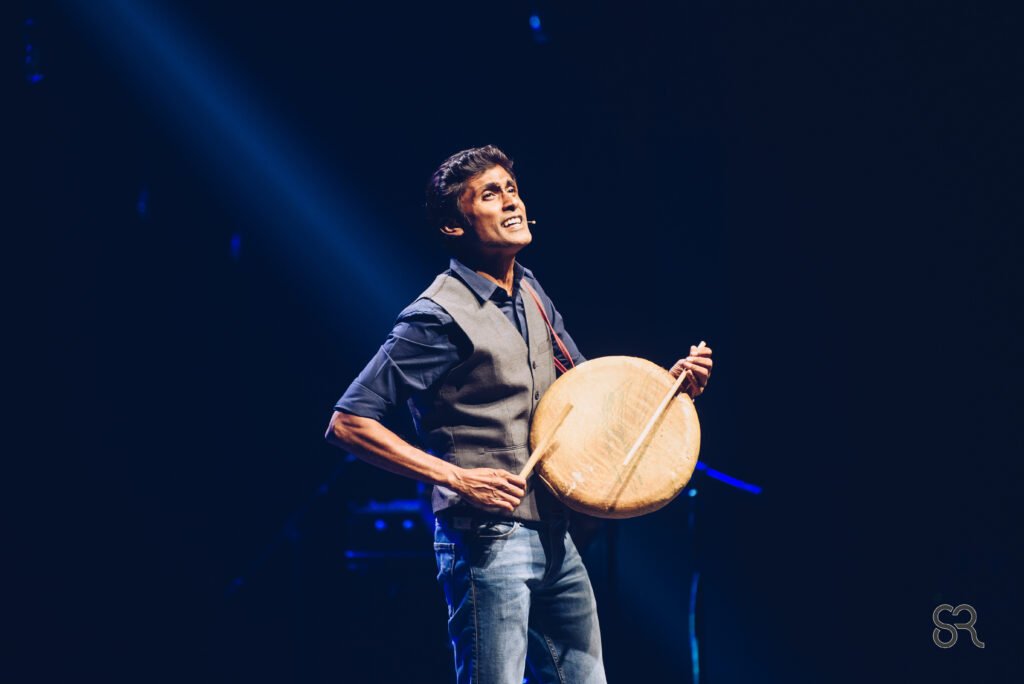
Nowhere is this clearer than in his breakthrough solo special, Alex in Wonderland, a tribute to the golden era of Tamil film music that explores the styles of legendary composers such as M.S. Viswanathan, Ilaiyaraaja and A.R. Rahman.
The show emerged from deeply personal memories that unexpectedly became universal.
“It is very organic,” he says. What began as reflections on songs, family life and Tamil culture slowly transformed into something audiences across generations connected with.
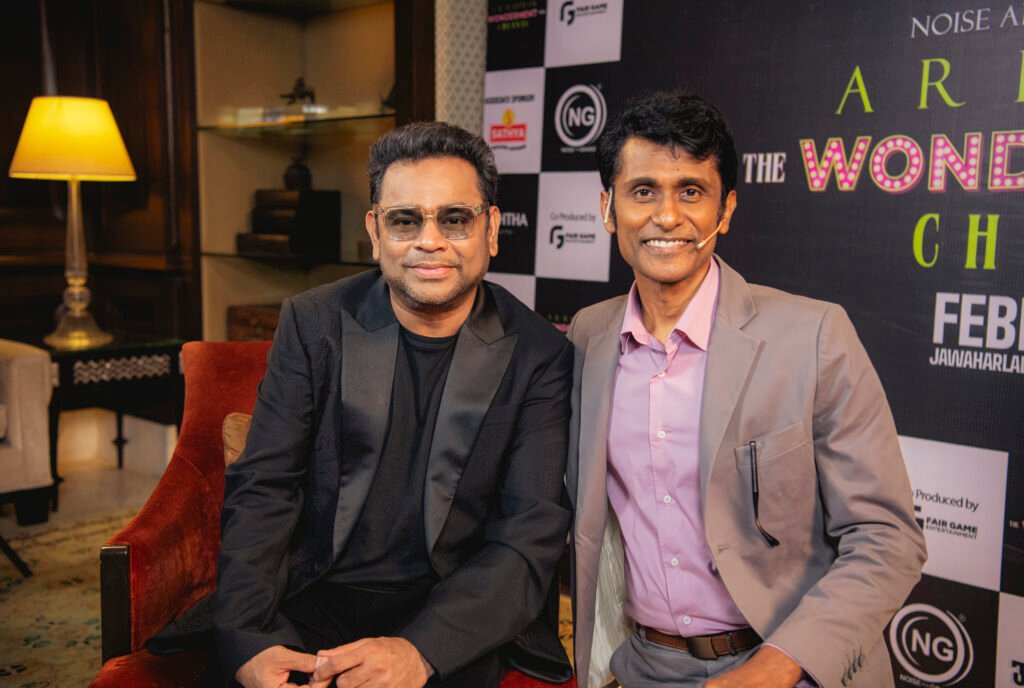
That connection, however, is never automatic.
Performing in Tamil Nadu differs from performing overseas. Material that works perfectly in Chennai sometimes requires adjustment elsewhere. He recalls road safety segments that connected strongly with local audiences because of their immediate relevance, while certain references had to be reshaped abroad. During a performance in Sri Lanka, parts of a segment built around Carnatic music references simply did not land in the same way.
For Alexander, that constant calibration is part of the craft.
Reflecting on the current socio-political scenario, he notes that artists cannot stay away from the happenings of the world.
“The world is so interconnected,” he says, adding that a conflict in one part of the world affects fuel prices somewhere else. A virus discovered in one country can reshape life globally within weeks.
He believes artists have a responsibility to engage with these realities.
“Humour has the power to convey even the most difficult topics, in a way that people understand better.”
For him, art is not merely entertainment. It is one of the ways society continues difficult conversations.
THE INNER WORK
Yoga has been a constant through every phase of his life.
Long before audiences knew him as a performer, he found himself drawn to a transcendental meditation course during college. At the time, he did not fully understand why it interested him. Years later, he realised how valuable that introduction had been.
Even his move to the United States followed a similar pattern.
He admits he never particularly wanted to pursue a master’s degree. Many of his classmates were going, so he went too.
But he carried something else with him: a tabla.
Finding a teacher and learning the instrument properly became just as important as academics.
“Pranayama calms you down, slows you down, brings grace to what you’re doing,” he observes.
He draws on Raja Yoga philosophy as well as Thirumoolar’s verse, “Udambai valarthen, uyir valarthen,” meaning “through the body, you reach the soul.”
For him, yoga offers something beyond physical wellness. It offers perspective.
One day, he says, all of this will be gone. Life is a short journey. Yoga helps him stay connected—to himself, to nature, to something larger.
Music plays a similar role.
Through daily voice practice and the steady drone of the tambura, he finds a process of alignment, patience and devotion.
Every phase of his life—Andavoorani, Chennai, the US, fifteen years in corporate life, the tabla lessons he sought out abroad and eventually the stage—feels in hindsight like preparation.
“All of it feels meticulously planned, even though I wasn’t aware of it at that time.”
THE CIRCLE COMPLETES
Performing with Rahman on Valentine’s Day felt, he says, “very divine.”
The invitation itself felt surreal.
Then came the performance.
For Alexander, the experience was memorable not just because of Rahman’s stature, but because of the generosity he encountered behind the scenes.
It was a huge stage, an unfamiliar setup and a completely new experience. Rahman spent time helping him feel comfortable, guiding him through the process and ensuring he settled into the performance.
Alexander also speaks of Rahman’s creative philosophy.
Rahman has often described beginning with an almost empty bottle creatively. A small sound, an idea, a phrase or a feeling becomes the starting point. From there, he slowly builds, removes clichés and refines until he discovers something he truly loves.
Alexander finds himself applying the same approach to comedy writing.
Blank pages can be intimidating. Every new set begins with uncertainty. You have to discover your perspective, your tone and the impact you want the material to create.
Rahman’s process offered a framework for navigating that uncertainty.
What stayed with him equally was the affection people around Rahman carried for him. Crew members who had worked alongside him for decades still spoke about him with genuine admiration.
That, Alexander felt, revealed as much about the man as the music did.
And that it all happened on the first death anniversary of the father who gave him music makes it feel less like coincidence and more like the universe completing a circle.
OFF STAGE, ON HOLIDAY
When summer hits and Chennai bakes, Alex heads to Australia with the family in tow—partly for the cooler weather and partly for the chance to slow down.
Work travel is different.
Touring often means weeks on the road, shows every weekend and routines built around staying healthy enough to keep performing. Earlier, every city meant catching up with friends and staying out late. These days, travel looks different.
Reading. Walking. Observing.
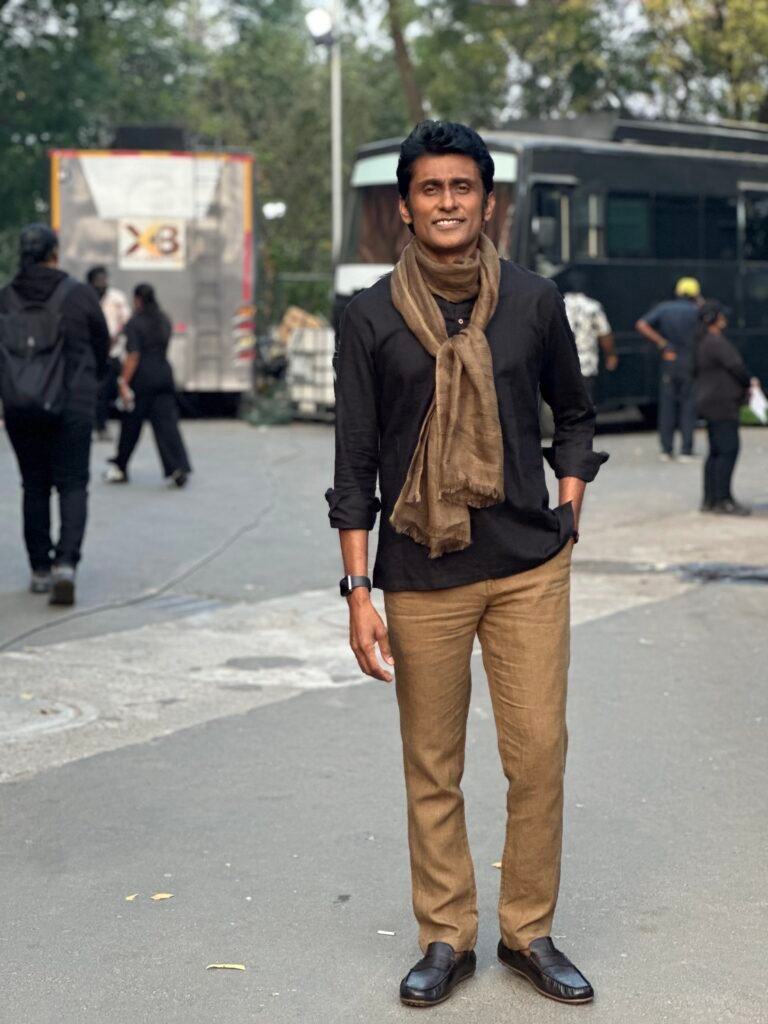
“These days, a new city means a walk, good weather, and a book,” he says. “There is something to look forward to in every place.”
The older he gets, the less obsessed he becomes with destinations themselves. Every place offers something worthwhile if you slow down enough to notice it.
ALEX’S TRAVEL ESSENTIALS
Never leaves home without:
☐ Laptop
☐ Phone (used daily for voice practice and as a digital tambura)
☐ Yoga mat (for a minimum practice, even on the busiest days)
☐ Notebook (for morning journaling)
The perspectives and reflections shared in this feature were provided by Alexander Babu based on his personal and creative journey.

India’s First In-Train Magazine 001
India’s first in-train magazine offers travelers engaging content like travel tips, destination highlights, and entertainment, making the journey more enjoyable and informative.

Follow Us
Popular Categories