Jonita: The Voice Beyond Boundaries
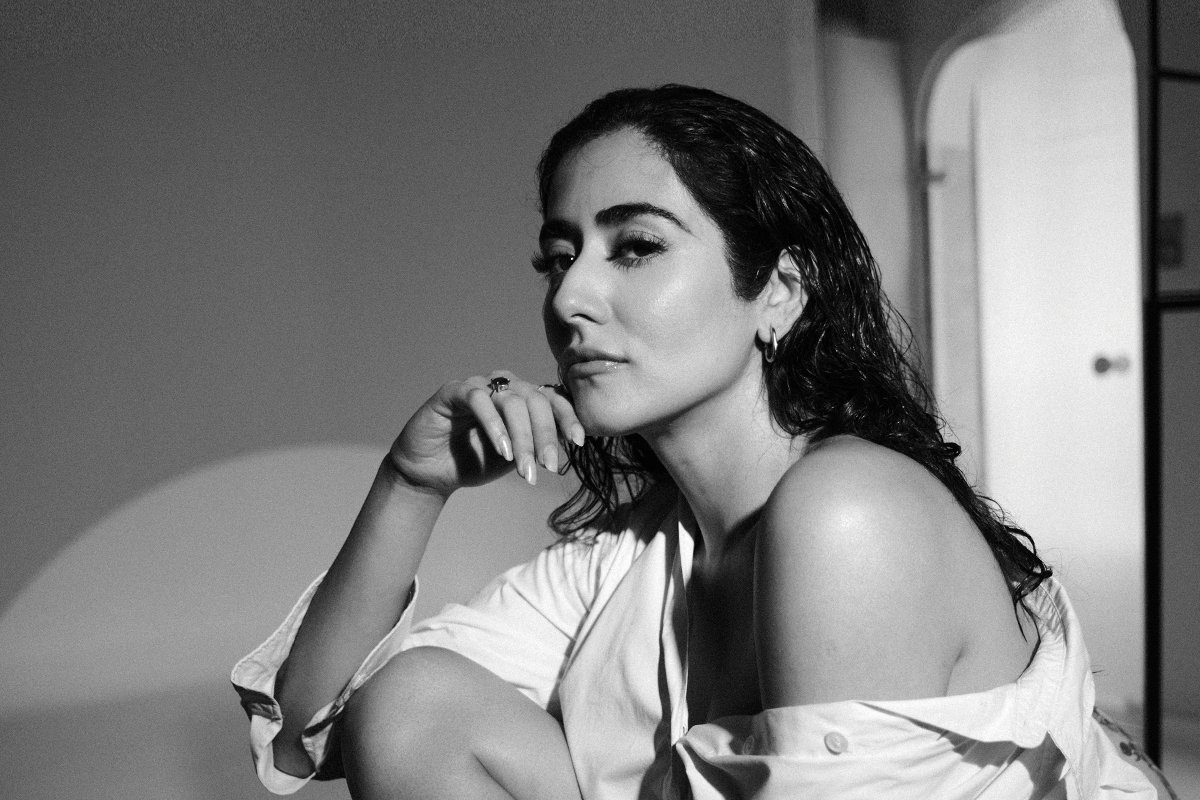
Long before sold-out performances, multilingual hits and dreams of Coachella, a younger Jonita wanted to become Madhuri Dixit. Like many children growing up watching Bollywood films, she admits, with a laugh, that she assumed the actors dancing on screen were also the voices behind the songs. Playback singing was not even on her radar then. What she did know, however, was much simpler: singing and dancing made her feel the most alive.
Our cover star Jonita on growing up between cultures, finding her own voice and embracing every version of herself.
At first, she was shy about performing in public. Encouraged by her parents, particularly her father, she gradually discovered the confidence to share her voice with others. Years later, she still sees those early nudges as the beginning of everything that followed.
Perhaps that instinct has remained unchanged. Even today, Jonita is an artist who seems most comfortable in movement—between genres, cultures, languages and versions of herself.
“Music helps me express the different facets of my personality but I embrace the fact that I have different musical identities. In fact I weave in and out of them in my music,” she says.
BETWEEN TWO WORLDS
Growing up in Canada, Jonita was surrounded by two very different soundscapes. At home, Bollywood and Punjabi music filled the space around her, while outside, Western pop and R&B shaped her world.
“It’s now a very conscious decision to incorporate elements from both the west and east in my own music,” she shares.
Then came 2013. Moving from Brampton to Mumbai meant rebuilding life and a career from scratch. The transition taught her resilience, patience and the importance of showing up consistently even when things felt uncertain.
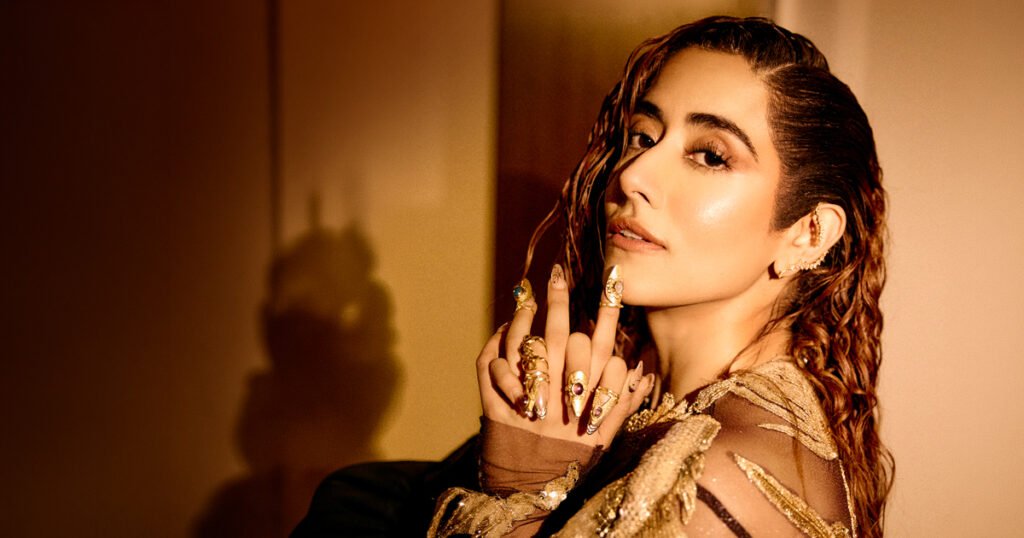
Long before the large stages and film credits, YouTube gave her a space to experiment, connect with audiences and build an organic following.
For Jonita, creating without gatekeepers became the beginning of everything that followed.
LOST IN TRANSLATION? NEVER.
Language has never felt like a boundary for Jonita. From Hindi and Punjabi hits to Tamil, Telugu and Kannada tracks, her voice has travelled across worlds with ease.
“When I sing in Tamil versus Punjabi or English, something in my expression often shifts too,” she says.

Today, that instinct extends even further. Jonita has spoken about her interest in creating music that bridges Hindi, Tamil, English and even Korean influences, driven by a fascination with how songs can travel across cultures while retaining their emotional core.
That instinct also reflects in her collaboration with Ed Sheeran on the official remix of Heaven, where Jonita brought Indian musical influences into a global pop track.
“Emotion is universal. Even if someone doesn’t fully understand the lyrics, they can still feel something through melody, rhythm and expression,” Jonita says.
One of her biggest dreams remains performing at Coachella. But for Jonita, the vision goes beyond the stage itself. She imagines a version of herself that is fully confident, fearless and unapologetically authentic, bringing together Indian influences, global sounds, live performance energy, individuality, dance and theatrics in a single experience.
HER OWN HEADLINE ACT
Stepping into a more defined independent pop identity, Jonita reflects, “I wanted people to know me beyond the songs attached to film characters. Independent music gave me the chance to build my own artistic identity and tell stories more personally.”
That shift arrived with Love Like That, her debut independent single released in early 2024, blending pop with qawwali-inspired influences.
More than a debut single, Love Like That represented a turning point. After years of being recognised through film songs, independent music gave Jonita the opportunity to place her own experiences, personality and creative instincts at the centre of the story. It allowed audiences to connect with her beyond the characters and films associated with her voice.
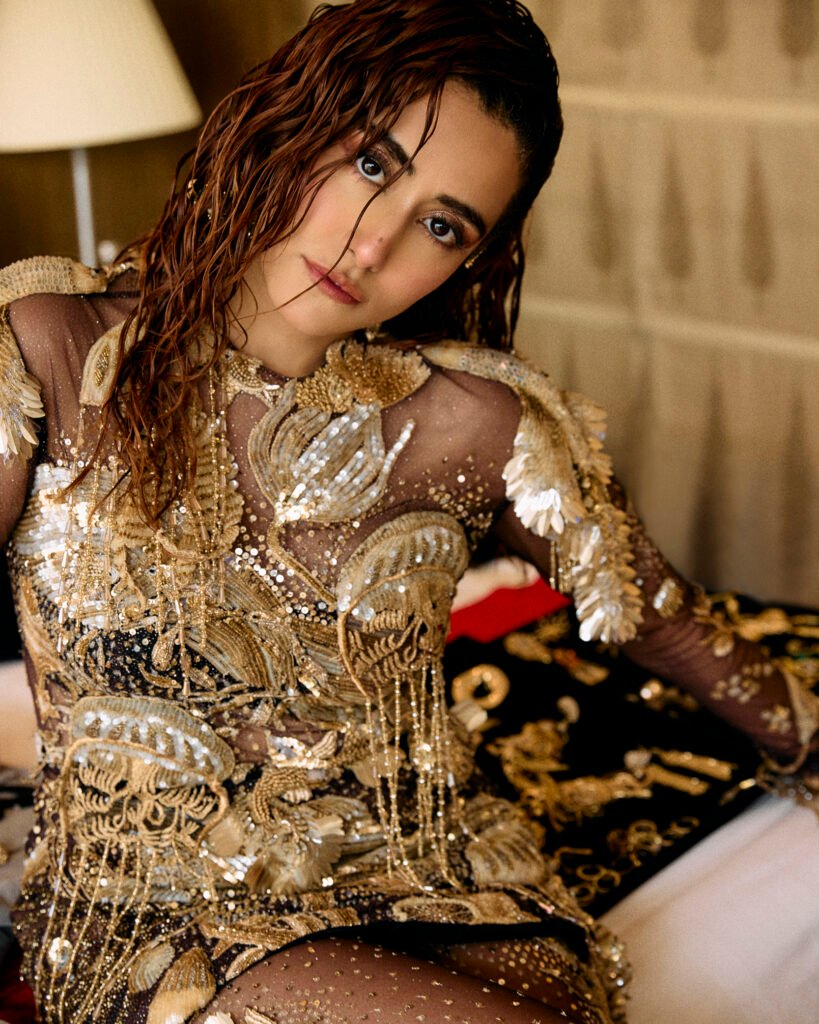
With her recent dance performance in Dacoit: Ek Prem Katha and the special song Chichubuddi, Jonita says she explored a new version of herself creatively.
That spirit of exploration continues beyond music as well. With projects such as Walking/Talking Strawberry Ice Cream, she is gradually expanding into new forms of storytelling while continuing to evolve as a performer.
Today, she believes there is more room for women to build strong artistic identities beyond playback singing.
MORE THAN MEETS THE MIC
For someone whose stage presence is all glamour and high-voltage energy, off-duty Jonita exists at the opposite end of the spectrum.
“Off-duty Jonita is more unhinged, and less put together,” she says. Away from performances and packed schedules, comfort takes over. Home, familiar shows, close friends and the simple art of doing nothing suddenly become enough.

OFF THE RECORD
Dream collab:
Bruno Mars
Dream stage:
Coachella
Always carrying:
Airpods
Lip balm
Hoodie
Off-duty mood:
Home + shows + friends
And despite years of performing in front of massive audiences, Jonita insists the stage version of her is only one side of her personality.
“I can be quiet for long periods of time, even though people often assume performers are always outgoing,” she says.

It is perhaps the detail that surprises people most. Behind the high-energy performer is someone who enjoys slowing down, staying home, spending time with close friends and embracing moments of stillness. The contrast between the performer and the person is one she seems entirely comfortable with.
INTO A NEW GROOVE
Over the years, Jonita has built a career moving between languages, genres and identities without feeling the need to stay in one place for too long. And right now, that instinct to keep evolving feels stronger than ever.
Her creative wish list remains equally expansive. Asked about a dream collaboration, she immediately mentions Bruno Mars. The appeal, she says with a laugh, is the possibility of creating something “funky” while working with an artist she deeply admires.
“I’m especially excited about projects that feel boundaryless—where music, visuals, culture and performance all blend together in fresh ways,” she says.

If the next phase of Jonita could be remembered for one thing, she already knows the answer: authenticity, evolution and dedication to craft.
“I hope people see an artist who keeps growing, experimenting and staying true to herself while connecting with audiences across different cultures and spaces,” she comments.
THE 30-MINUTE RECORDING STORY
In the early hours of the morning, with a flight waiting and time running short, Jonita stepped into a recording session for Allah Duhai Hai from Race 3. The dubbing, she recalls, was done in barely thirty minutes before she rushed out.
“We knew it was fun while recording it, but I don’t think I personally realised how big a song it was,” she says.

India’s First In-Train Magazine 001
India’s first in-train magazine offers travelers engaging content like travel tips, destination highlights, and entertainment, making the journey more enjoyable and informative.

Follow Us
Popular Categories